

We offer medical detox and multiple addiction treatment options in our
luxury treatment centres in Port Hope, Cobourg, and Ottawa.
What Do Drug Eyes Look Like and What They Tell You

Your eyes can't hide what's in your bloodstream. Pupils expand, shrink, freeze in place, or bounce involuntarily depending on the substance running through your nervous system, and those changes show up long before other physical signs do. Knowing what drug eyes look like gives families, friends, and healthcare providers one of the fastest visual indicators of substance use. This article walks through how stimulants, opioids, alcohol, and other drugs alter pupil size, eye colour, and gaze stability so you can recognise the patterns that matter.
You'll Learn
- Which drugs blow pupils wide open and which shrink them to pinpoints
- The eye sign that law enforcement uses during roadside sobriety checks
- How alcohol-affected pupils differ from sober ones beyond just redness
- How chronic stimulant use can cause permanent retinal damage
- Why a single glance at someone's eyes can reveal more than a conversation
How Do Pupils on Drugs React Differently Than Normal?
Under normal lighting, a healthy pupil measures between 2 and 4 millimetres in diameter. In dim light, it expands to about 4 to 8 millimetres to let in more visual information. This reflex runs through the autonomic nervous system, the same network that controls heart rate, breathing, and digestion. Drugs hijack that network.
Stimulants like cocaine, methamphetamine, and MDMA activate the sympathetic branch, the "fight or flight" side. The result is mydriasis, the clinical term for dilated pupils2. The dilator muscle in the iris contracts, the pupil opens wide, and it stays that way for hours regardless of ambient light.
Opioids work in the opposite direction. Heroin, fentanyl, and prescription painkillers activate the parasympathetic branch, which constricts the pupil down to a pinpoint. This reaction, called miosis, persists even in a dark room where a normal pupil would expand. Pinpoint pupils on drugs like heroin are one of the most reliable clinical markers of opioid intoxication1.
Pupils on drugs do more than change size. They lose their ability to react. A sober pupil snaps open and shut as light levels fluctuate. An intoxicated pupil sits fixed, sluggish, or unresponsive, which is part of why eye checks feature in emergency room assessments and field sobriety tests.
That loss of reactivity matters beyond diagnosis. Fixed, dilated pupils leave the eye flooded with light, causing painful sensitivity and blurred vision. Fixed, constricted pupils reduce incoming light so drastically that the person struggles to see in dim environments. In both cases, driving, operating machinery, or even walking down stairs becomes dangerous because the eyes can't adapt to changing conditions.
What Do Stimulant Drug Eyes Look Like?
Stimulants share a common signature in the eyes, but each drug adds its own twist.
Meth Eyes
Methamphetamine floods the brain with dopamine and activates the sympathetic nervous system, pushing pupils into extreme dilation that can last four to six hours after a single dose3. The eyes look wide, dark, and startled. The iris becomes almost invisible behind the expanded pupil, giving the appearance of completely black eyes1. During extended binges, the dilation can persist for even longer as the drug recirculates, and users may go hours without blinking, which accelerates corneal dryness and irritation.
Beyond dilation, methamphetamine use produces rapid involuntary eye movements called nystagmus, a jittery horizontal or vertical bouncing that makes focused gaze nearly impossible4. Bloodshot sclera, excessive dryness from reduced tear production, and an unblinking stare during "tweaking" episodes round out the picture. Chronic users also face serious retinal risks.Methamphetamine can trigger retinal vascular occlusive disease, where blood clots block flow to the retina and cause permanent vision loss1.
Coke Eyes
Cocaine dilates pupils through a similar sympathetic surge, but the timeline is shorter. A single line of cocaine produces coke eyes that peak within 15 to 30 minutes and begin to recede within an hour. The rapid on-off cycle means someone using cocaine at a party might have noticeably blown pupils one moment and near-normal pupils an hour later. That quick turnover also makes cocaine-related pupil changes harder to catch than methamphetamine's, since the window of visible dilation is so brief.
Cocaine also acts as a local anaesthetic, which can numb the cornea and reduce the blink reflex. Users who rub their eyes or wear contact lenses during a cocaine high can sustain corneal abrasions they don't feel until the drug wears off. Crack cocaine, which users smoke, can deposit residue near the eyes and cause chemical irritation on top of the pupil dilation. Repeated nasal use brings additional redness and watering from irritation of the tear ducts and surrounding sinus tissue.
What Do Opioid and Depressant Drug Eyes Look Like?

Heroin Eyes
Opioid-affected eyes look the opposite of stimulant drug eyes. Once heroin or another opioid binds to receptors in the brainstem, pupils constrict to tiny, fixed dots that refuse to expand even in a dark room. This pinpoint miosis is so distinctive that emergency responders use it as a first-pass indicator of opioid overdose, alongside slowed breathing and loss of consciousness.
The rest of the eye tells a story too. Heroin causes drooping eyelids (ptosis), a glassy or glazed appearance, and slow, unfocused eye movements. Intravenous heroin users carry additional risk of talc retinopathy, a condition where tiny particles of filler material travel through the bloodstream, lodge in retinal blood vessels, and leave crystalline deposits that impair vision over time1.
Prescription opioids produce the same eye signs. Oxycodone, hydrocodone, fentanyl, and codeine all constrict pupils through the same parasympathetic pathway. A person taking prescription painkillers exactly as directed may show mild miosis, but someone misusing high doses will present with the same pinpoint, fixed pupils seen in heroin intoxication. During an opioid overdose, pinpoint pupils paired with slowed or absent breathing represent an emergency that requires immediate naloxone administration.
Drunk Pupils vs Sober
Alcohol's effect on the eyes doesn't fit neatly into either the dilation or constriction category, which makes telling drunk and sober pupils apart a bit more nuanced. Alcohol tends to cause mild pupil dilation, but the more telling sign is how slowly the pupil reacts to light. A sober pupil snaps to a new size within a fraction of a second. A drunk pupil lags, drifts, or responds inconsistently.
The rest of the picture is easier to spot. Bloodshot redness from vasodilation, a glassy or watery surface from disrupted tear film, droopy eyelids from muscle relaxation, and horizontal gaze nystagmus, the involuntary side-to-side eye bouncing that police test for during traffic stops. At blood alcohol levels above 0.08%, these signs of drug use become hard to miss. Above 0.15%, nystagmus intensifies, the protective corneal reflex weakens, and the eyes may struggle to stay open at all.
Chronic heavy drinking leaves its own long-term marks on the eyes. Persistent conjunctival redness, mild scleral discolouration, and reduced tear film show up even when the person hasn't had a drink that day. Over years, alcohol can cause optic nerve damage and thiamine deficiency (Wernicke encephalopathy), which produces eye muscle paralysis and double vision that may not fully reverse with treatment.
Which Drug Causes Which Eye Change?
The table below summarises how the most commonly used substances alter the eyes. Keep in mind that polydrug use, individual tolerance, and pre-existing eye conditions can all muddy the picture.
| Substance | Pupil change | Other eye signs |
| Cocaine | Dilated (mydriasis) | Rapid onset/offset, reduced blink reflex, corneal numbness |
| Methamphetamine | Heavily dilated (mydriasis) | Nystagmus, unblinking stare, bloodshot, retinal vascular risk |
| MDMA/Ecstasy | Dilated (mydriasis) | Rapid eye wiggling (nystagmus), light sensitivity |
| Heroin/Opioids | Pinpoint (miosis) | Droopy eyelids, glassy gaze, slow eye movement |
| Alcohol | Mild dilation, sluggish response | Bloodshot, glassy, nystagmus, droopy lids |
| Cannabis | Mild dilation | Red/bloodshot, reduced eye muscle control |
| LSD/Psilocybin | Heavily dilated | Visual disturbances, light sensitivity |
| Benzodiazepines | Variable, sluggish response | Droopy eyelids, difficulty focusing |
When Should You Seek Help for Drug Addict Eyes?
If someone's eye changes match the patterns above and you're noticing them alongside other signs, like weight loss, mood swings, sleep disruption, or secretive behaviour, the pattern isn't coincidental. Drug addict eyes are a visible marker of what's happening inside the body, and they tend to appear before the person is ready to talk about their substance use.
Starting that conversation matters more than confirming a specific substance. You need to express concern without judgement and point toward professional help. The Canadian Centre for Addictions offers free, confidential consultations by phone and can help determine the right level of care based on the substance involved, the duration of use, and any co-occurring mental health needs.
Eye changes that persist between uses, such as persistent redness, slow pupil recovery, retinal harm, or chronic dryness, signal that the body is accumulating injury even during periods of apparent sobriety. The longer that accumulation runs, the harder it becomes to reverse. Treatment that combines medically supervised detox with counselling and structured aftercare can halt the cycle before permanent vision loss or organ failure sets in.
Ready to Take the First Step?
Addiction doesn't get better on its own. Call us today for a free, confidential consultation and find out which program is right for your needs.
Call 1-855-499-9446
Your Eyes Speak Before You Do
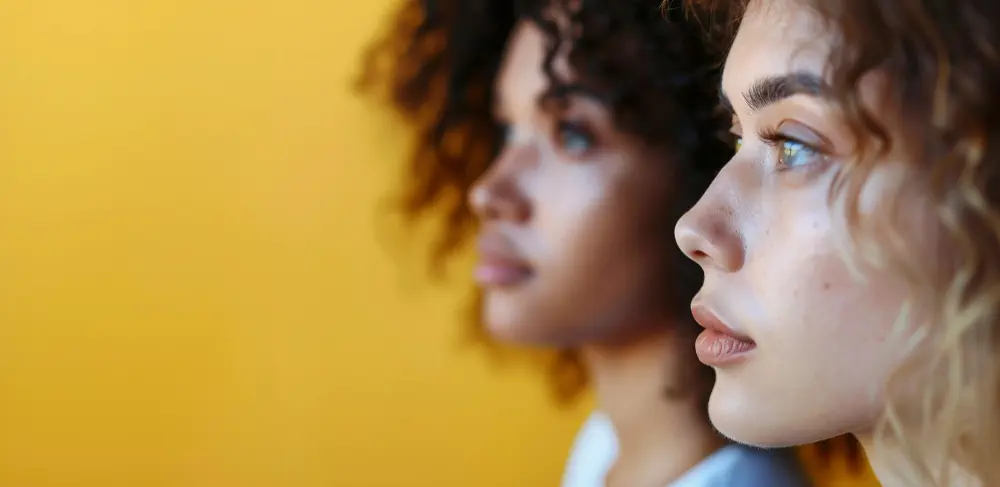
Drug eyes serve as one of the body's most honest signals, operating below conscious control and readable in a fraction of a second. Recognising what dilated, constricted, bloodshot, or nystagmus-affected eyes mean can help you act faster, talk sooner, and connect someone with treatment before the next dose becomes the last one.
Sources
- American Addiction Centers. "Drug Effects on Eyes: Redness, Dilated and Pinpoint Pupils." AAC. https://americanaddictioncenters.org/health-complications-addiction/signs-drug-use-eyes
- EyeWiki (American Academy of Ophthalmology). "Pharmacologic Dilation of Pupil." EyeWiki. https://eyewiki.org/Pharmacologic_Dilation_of_Pupil
- National Institute on Drug Abuse. "Methamphetamine DrugFacts." NIDA. https://nida.nih.gov/publications/drugfacts/methamphetamine
- Recovery.com. "Meth Eyes: Symptoms, Health Risks, and Early Recognition." Recovery.com. https://recovery.com/resources/meth-eyes-symptoms-health-risks/
FAQ
Can you tell which drug someone is using just by looking at their eyes?
Not with certainty. Pupil size gives a strong directional clue, since stimulants dilate and opioids constrict, but many substances produce overlapping eye signs. Combining what you see in the eyes with other physical and behavioural changes gives a much clearer picture than pupil size alone.
How long do drug-related pupil changes last?
It depends on the substance. Cocaine's pupil dilation may fade within an hour, methamphetamine's can persist for four to six hours, and heroin's pinpoint miosis can last as long as the drug remains active in the body. Extended-release formulations and individual metabolism both affect the timeline.
Can prescription medications cause the same eye changes as illegal drugs?
Yes. Prescription opioids like oxycodone and hydrocodone produce the same pinpoint miosis as heroin, and prescription stimulants like Adderall and Ritalin cause dilation similar to cocaine or methamphetamine. Even some antidepressants and antihistamines can dilate pupils, which is why eye changes alone don't confirm illegal drug use.
Do drug-related eye changes cause permanent damage?
Some can. Chronic methamphetamine use raises the risk of retinal vascular occlusive disease, which can cause irreversible vision loss, and long-term opioid use can lead to chronic miosis and reduced pupil reactivity. Heavy alcohol use over years can produce optic nerve damage and nutritional deficiencies that affect colour perception.
What should you do if you notice drug eyes in a loved one?
Don't lead with accusation. Mention what you've observed calmly, express concern for their health, and focus on connecting them with a professional who can assess the full picture. A confidential call to an addiction treatment centre can help you plan that conversation and identify the right next steps.