
 Success Rate:
Read Now
Success Rate:
Read Now
Success Rate:
Read Now
Success Rate:
Read Now
Treatment ends. Recovery doesn't. At the Canadian Centre for Addictions, we built the Roots of Recovery community so that no graduate leaves without a support system waiting for them. This alumni network keeps people tied to each other and to the momentum they built during rehab, turning isolated sobriety into a shared, active life worth protecting.
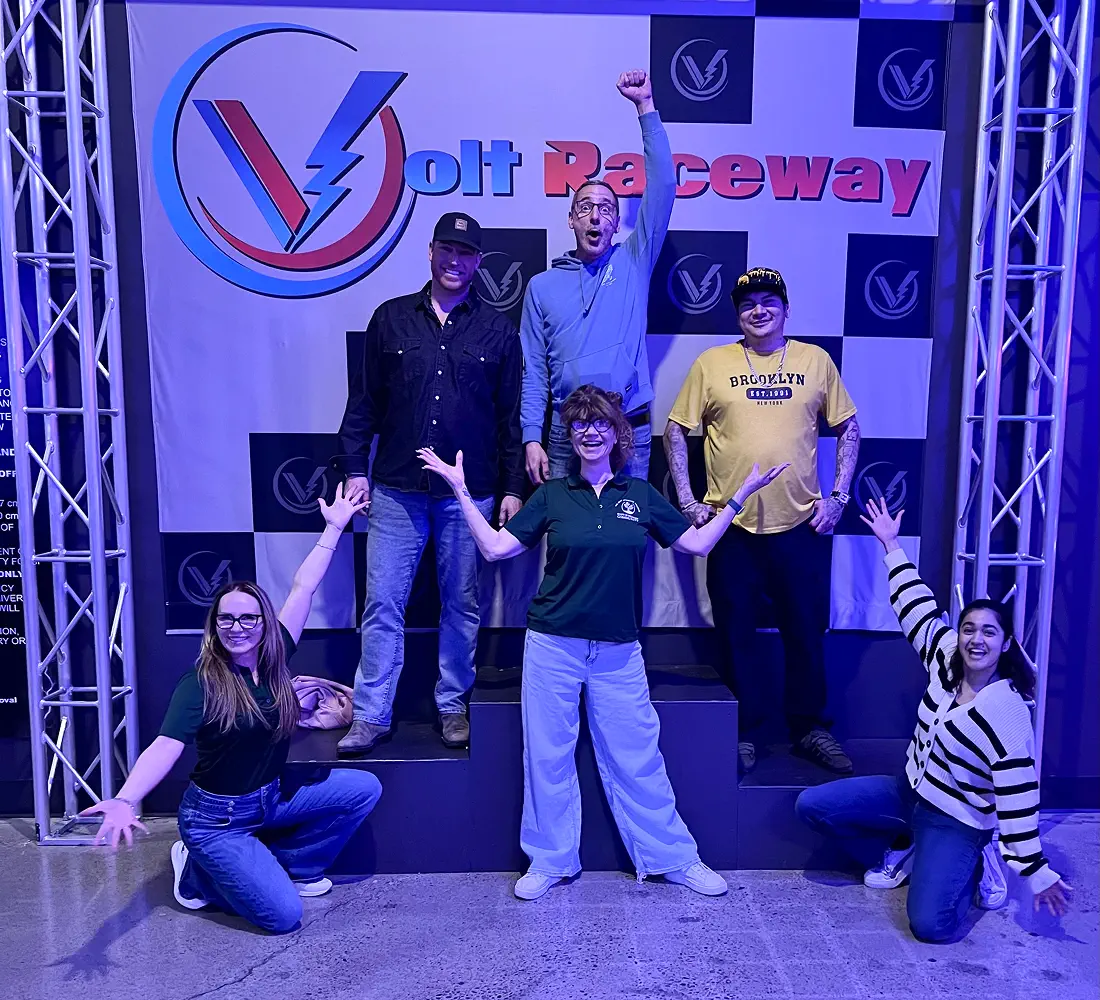
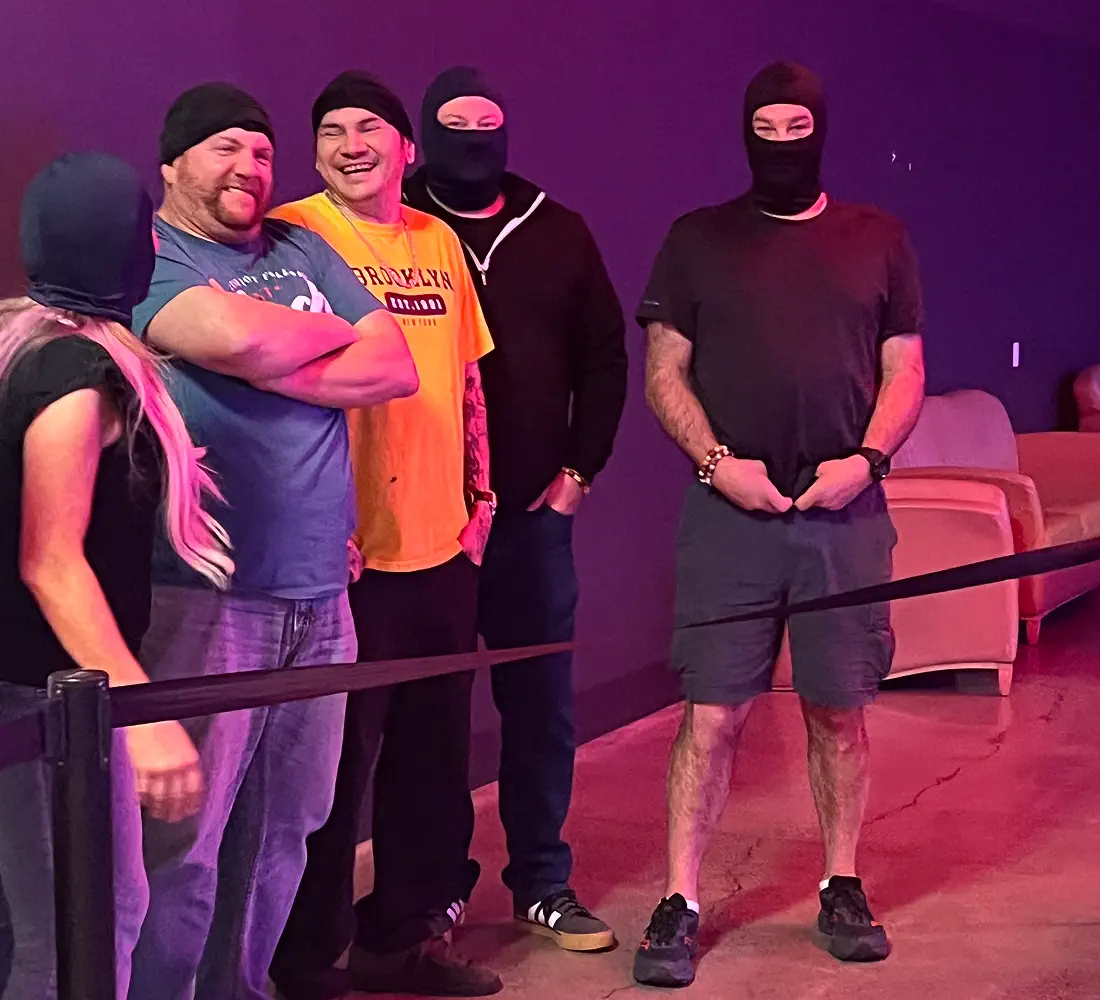
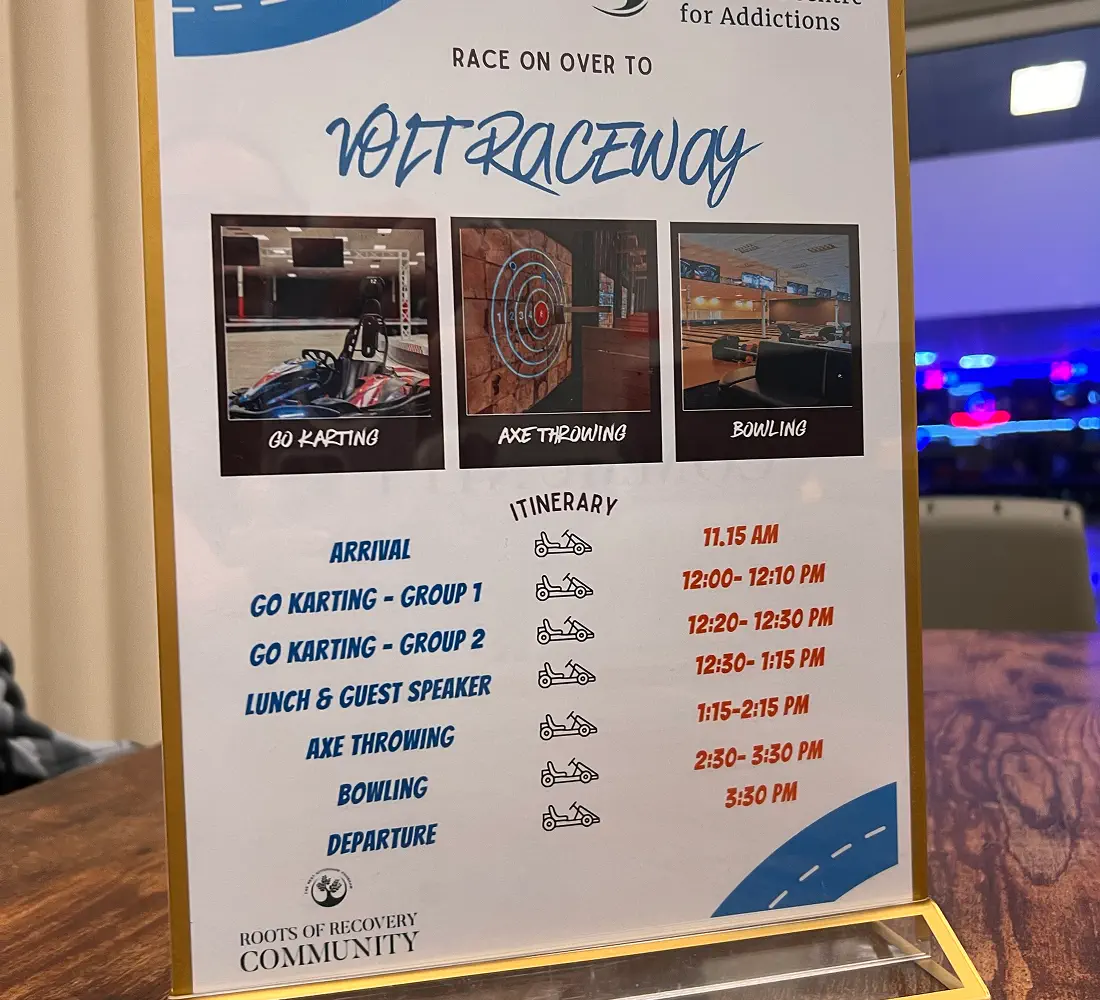
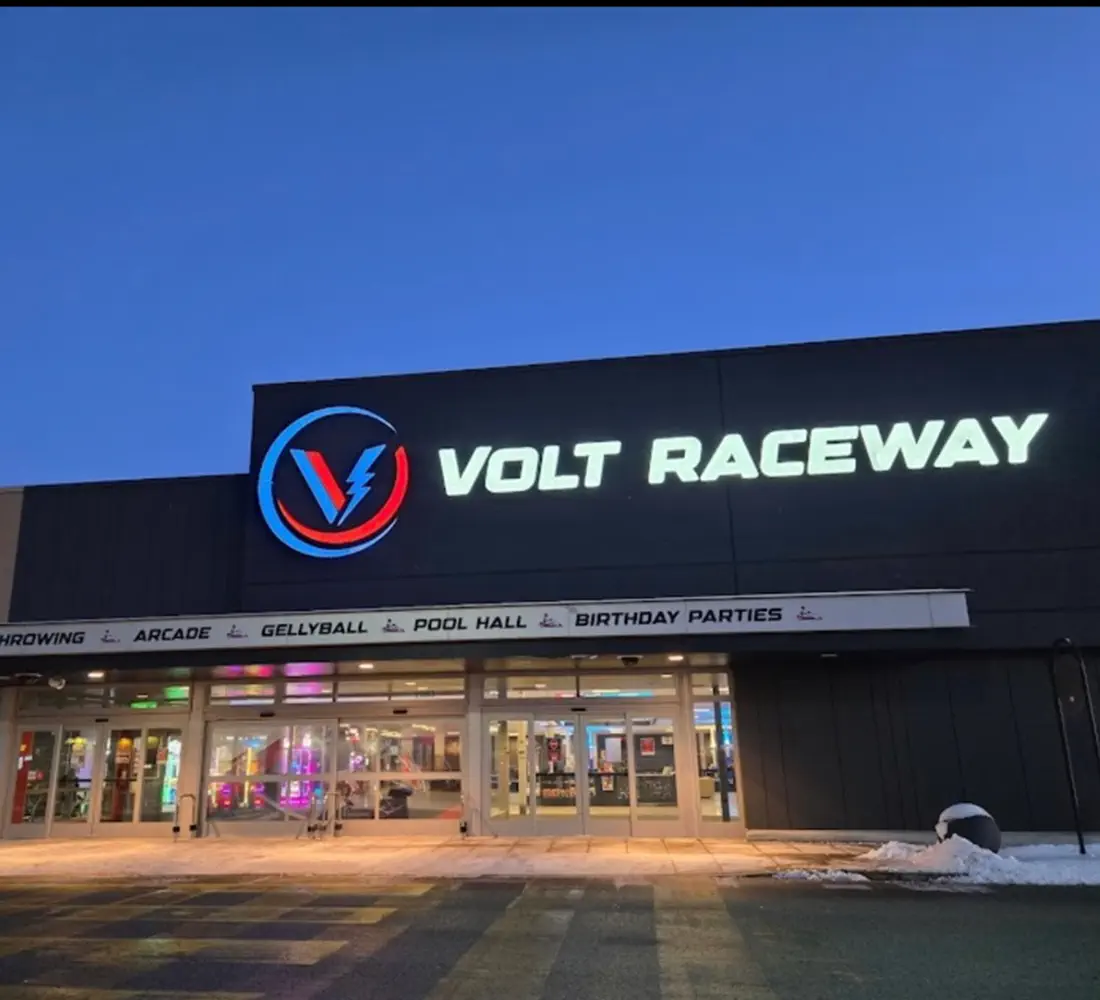
Staff, current clients, and Roots of Recovery alumni packed into Volt Raceway on a Saturday afternoon for go-karting, axe-throwing, and bowling. Five staff members helped run the day. A dozen current clients came out, alongside six alumni who'd graduated from the Canadian Centre for Addictions's programs months or years earlier. The energy hit the moment everyone walked through the door.
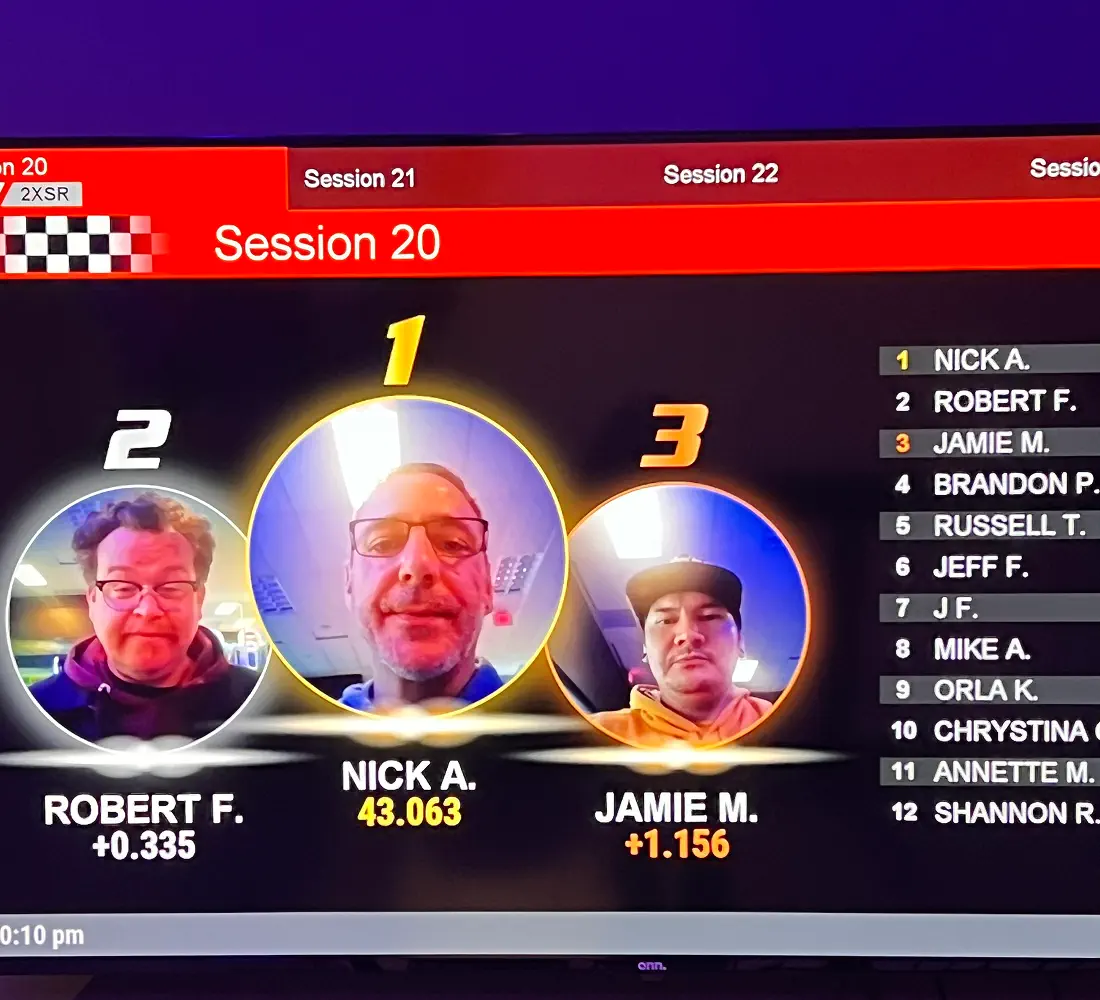
Go-karting came first. Within two laps, friendly competition turned into genuine rivalry, complete with creative interpretations of the racing line and a handful of collisions that drew more laughs than concern. A few drivers handled the turns with real skill. Others contributed to the atmosphere from a safer distance, cheering loud enough to drown out the engines. Three racers earned the top spots. At least two more disagreed with the scoreboard entirely.
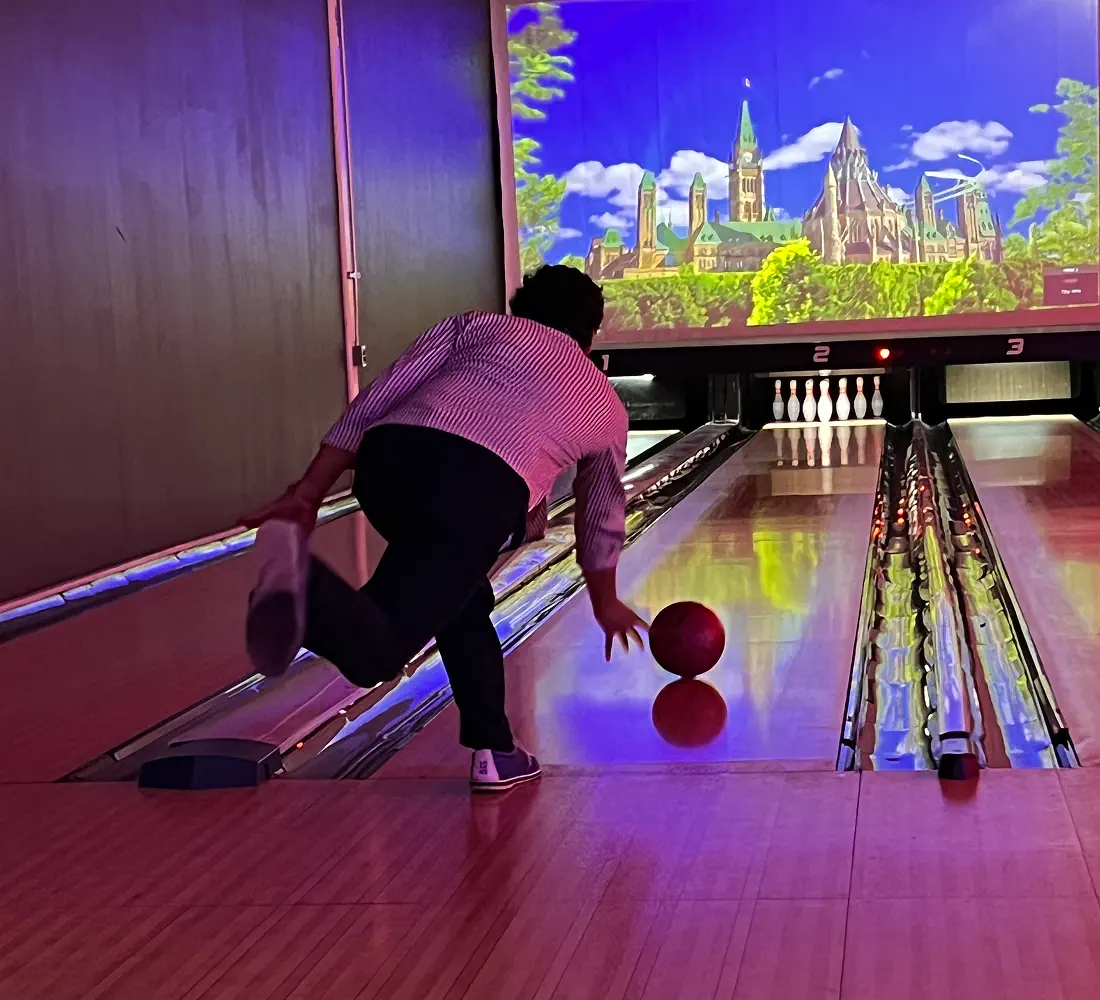
Axe throwing followed. Some people nailed bullseyes on their second or third toss. Others threw with admirable conviction and zero accuracy, which turned out to be just as entertaining. The bowling round played out the same way. Perfect strikes mixed with spectacular gutter shots, and the general consensus was that enthusiasm probably counted for more than score.


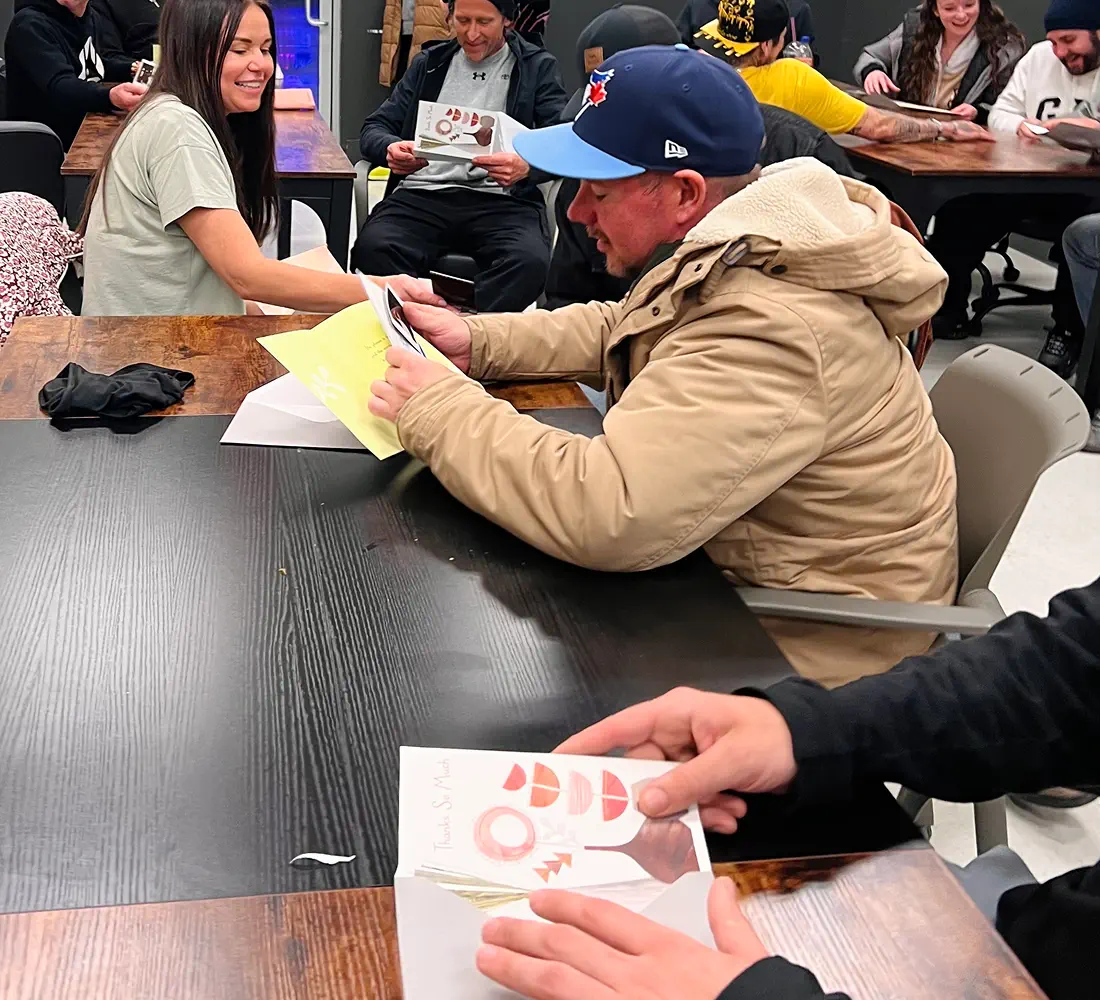
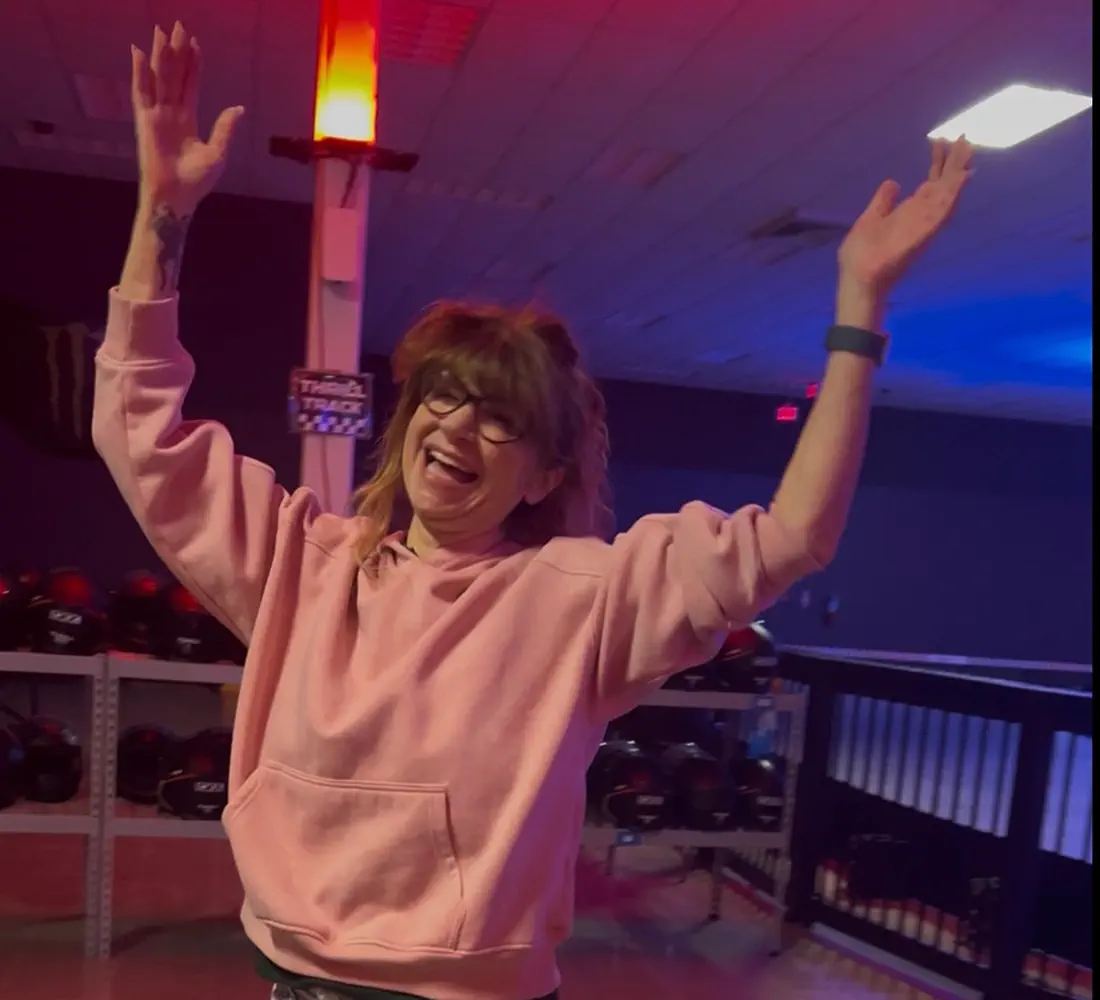
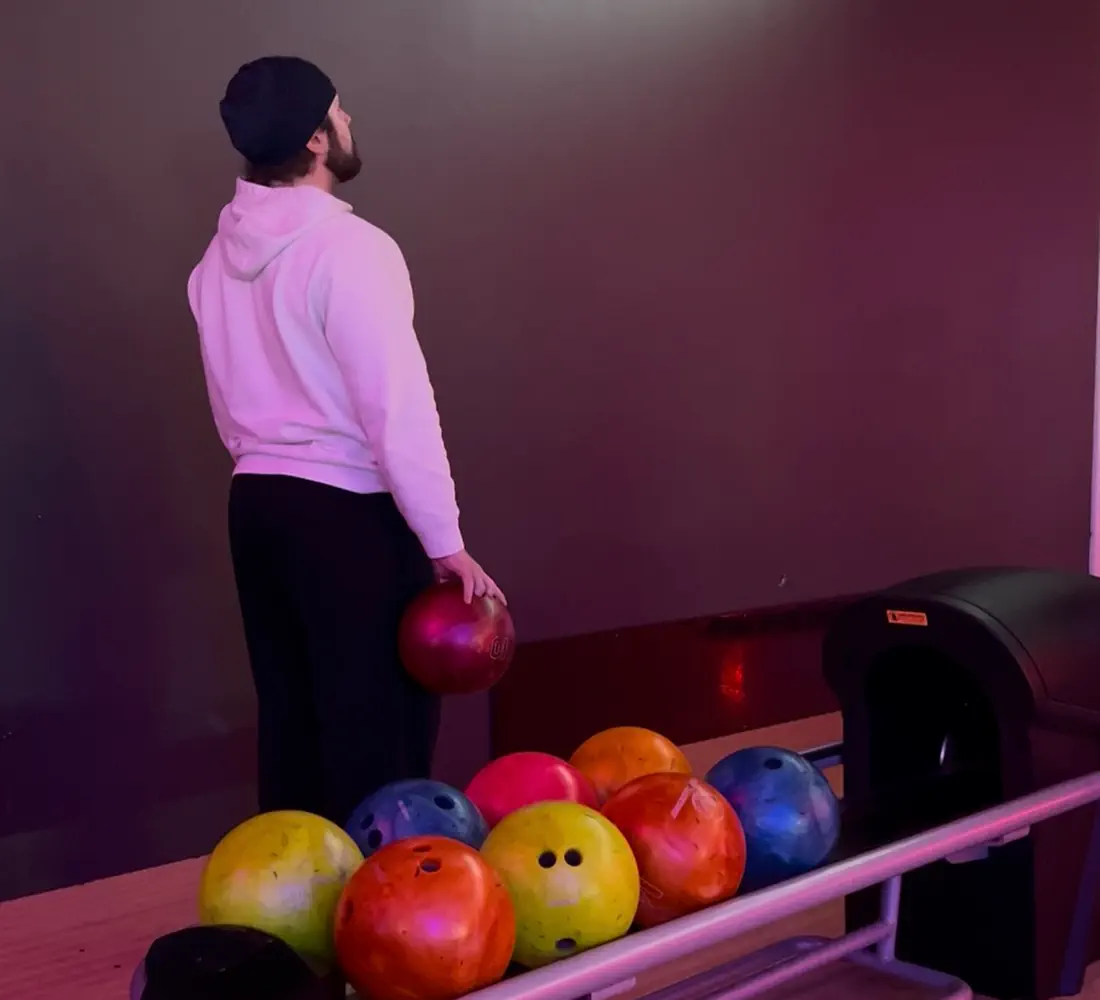
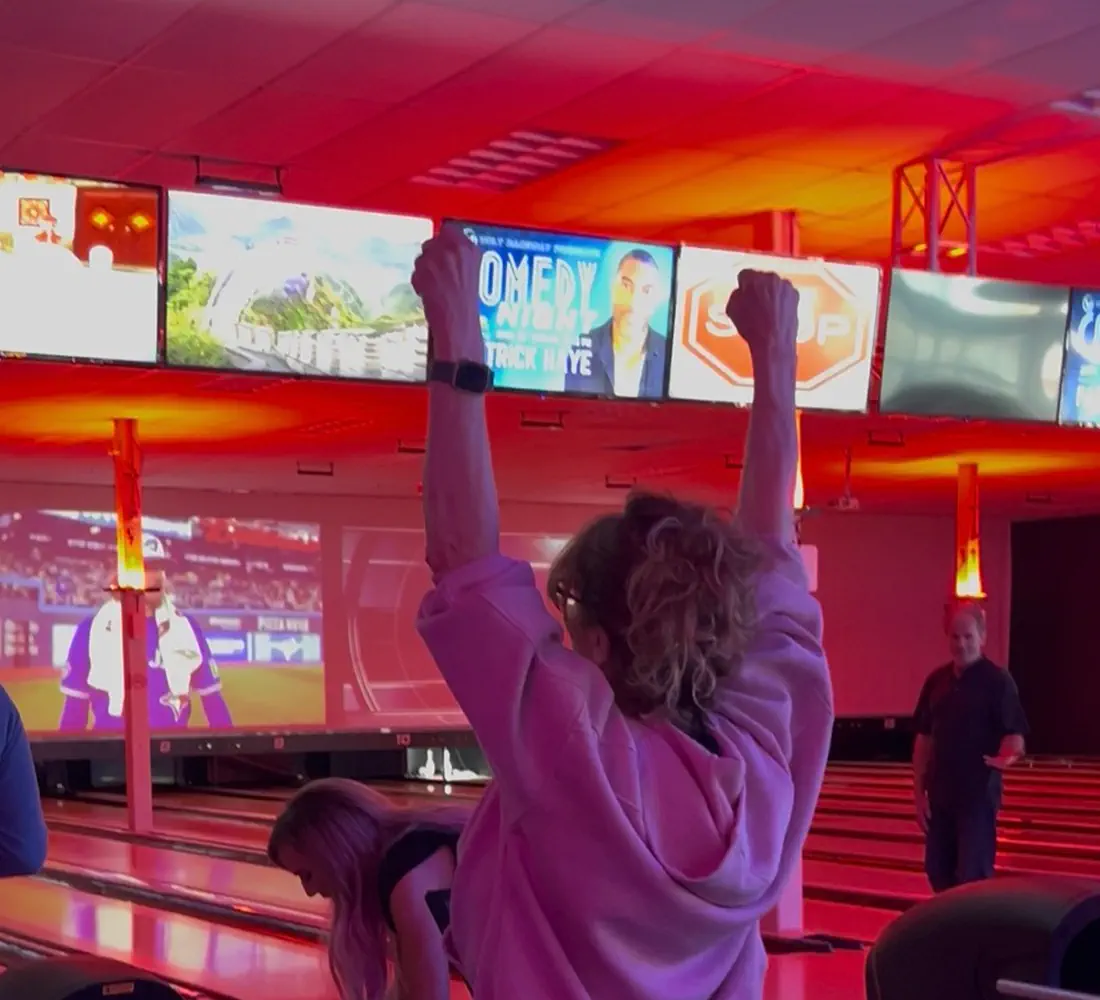
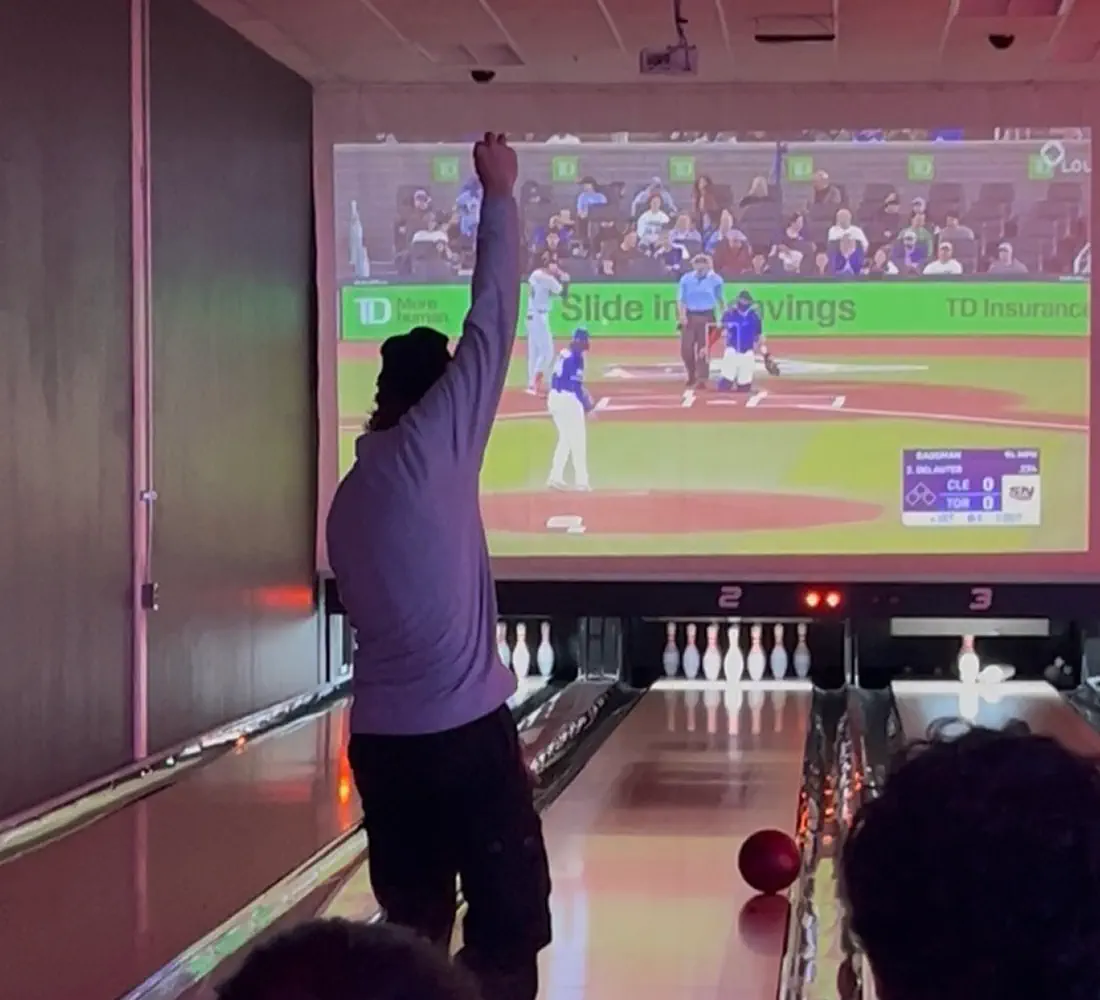
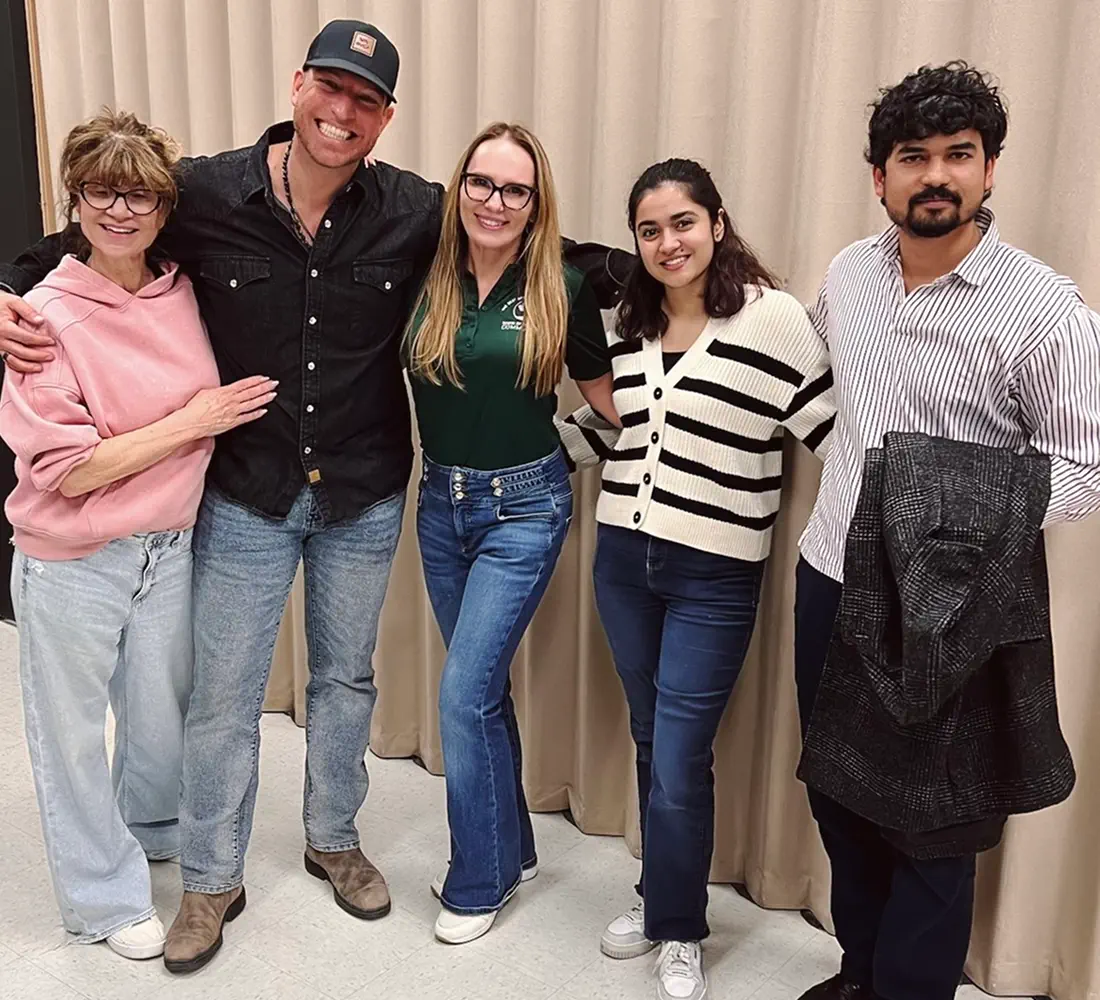

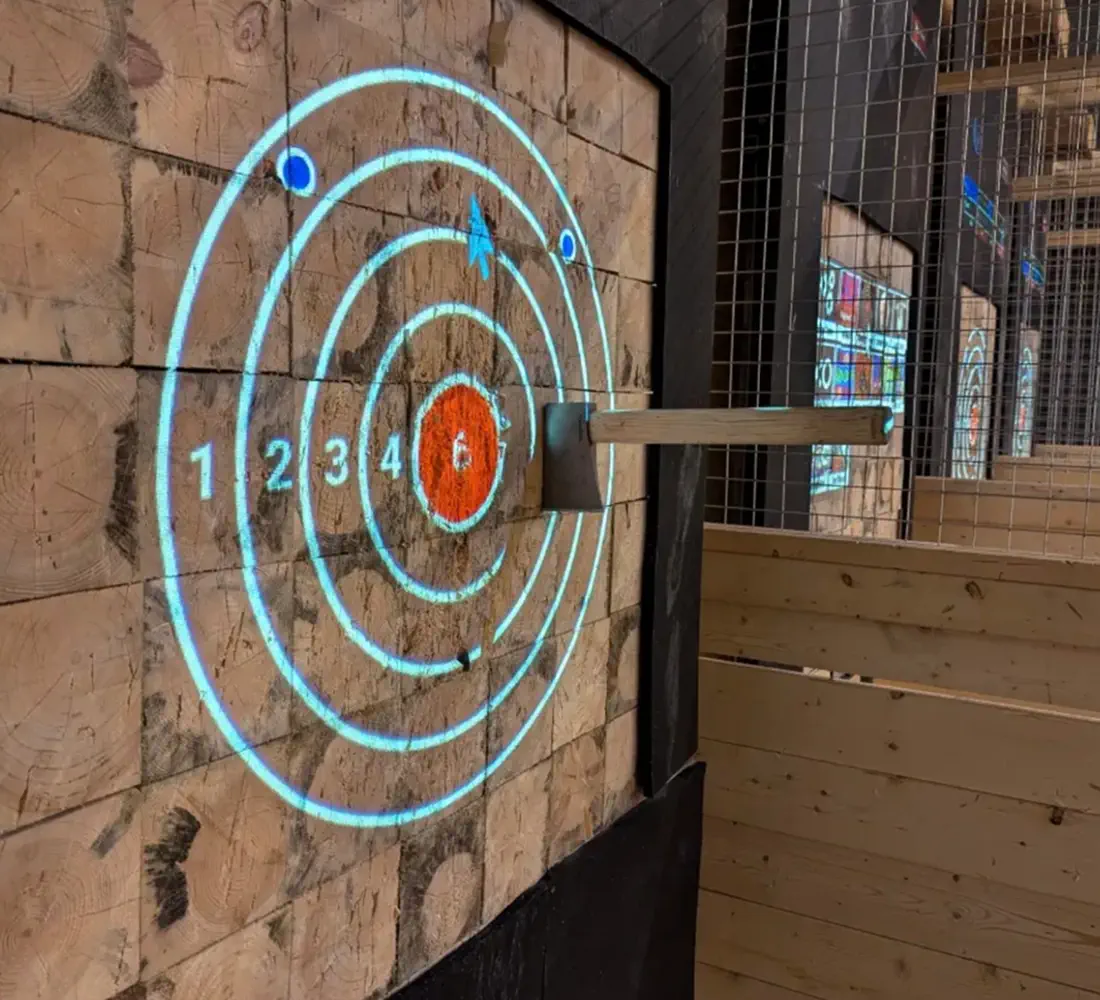
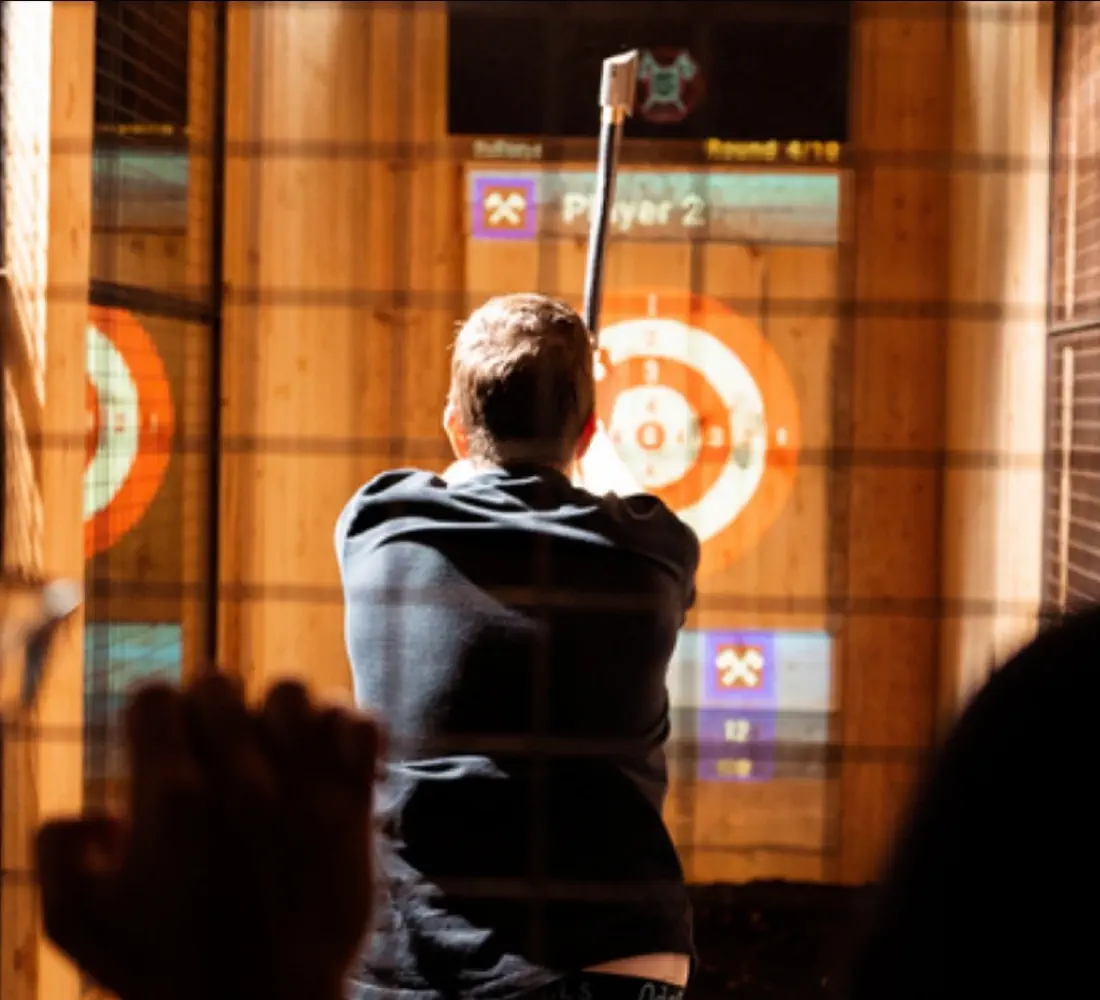


Alumni talked about what staying sober looks like years down the road, not as a motivational pitch but as people living it. His presence at the event was the point. A graduate who came back, not because he had to, but because staying connected to this group still matters to him.
What made the day matter wasn't any single speech or scored activity. It was everything at once. People in early recovery are eating lunch beside graduates who've been sober for years, swapping stories and laughing at the way they bowl. Just people enjoying a Saturday together, and that being enough.
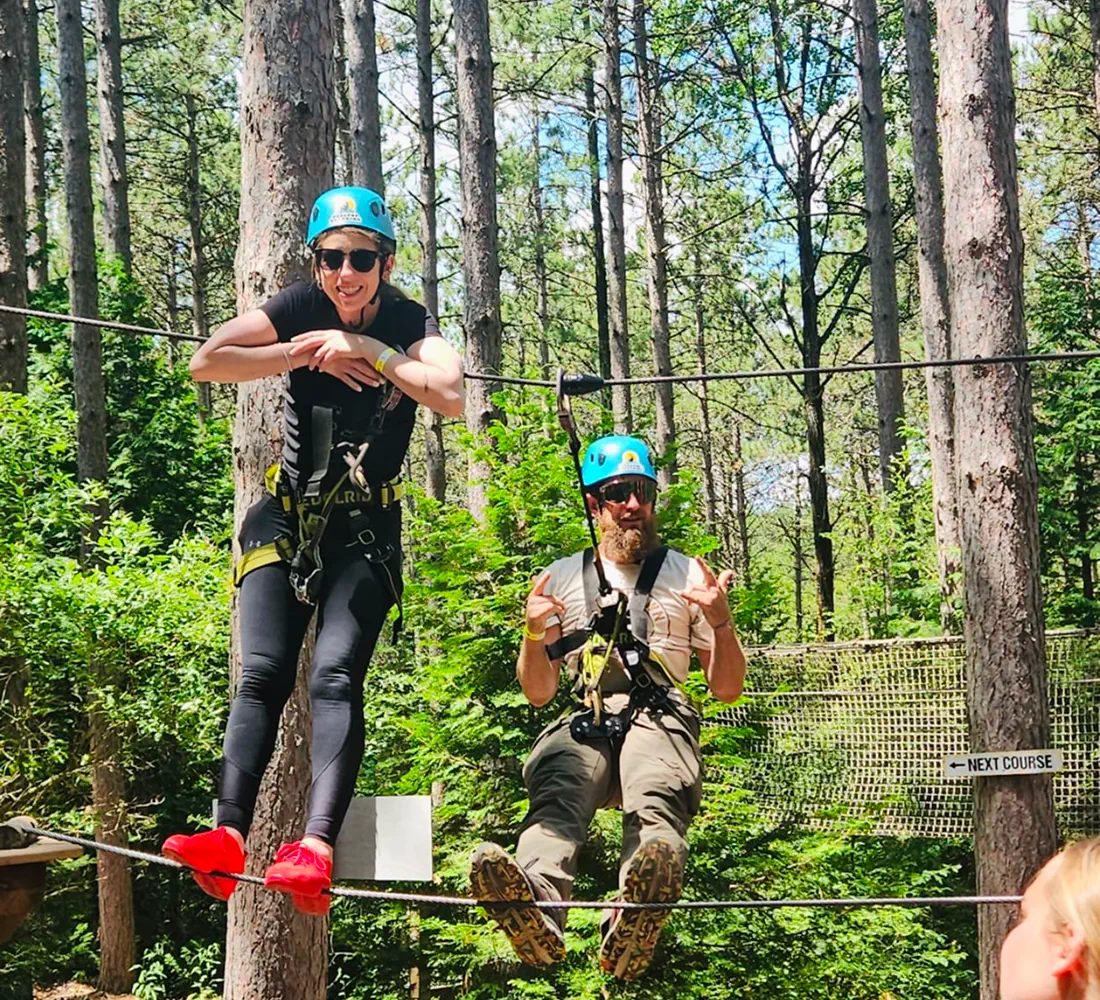
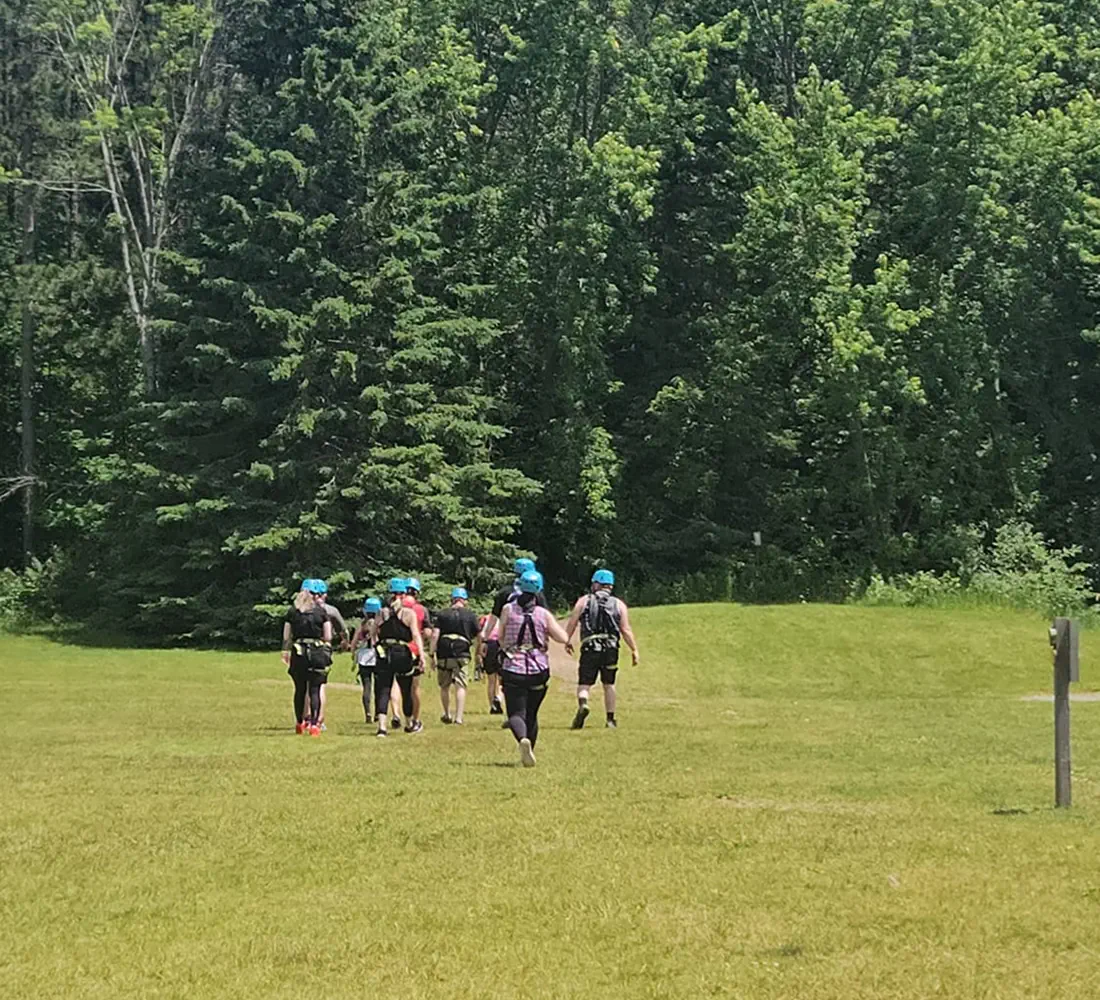
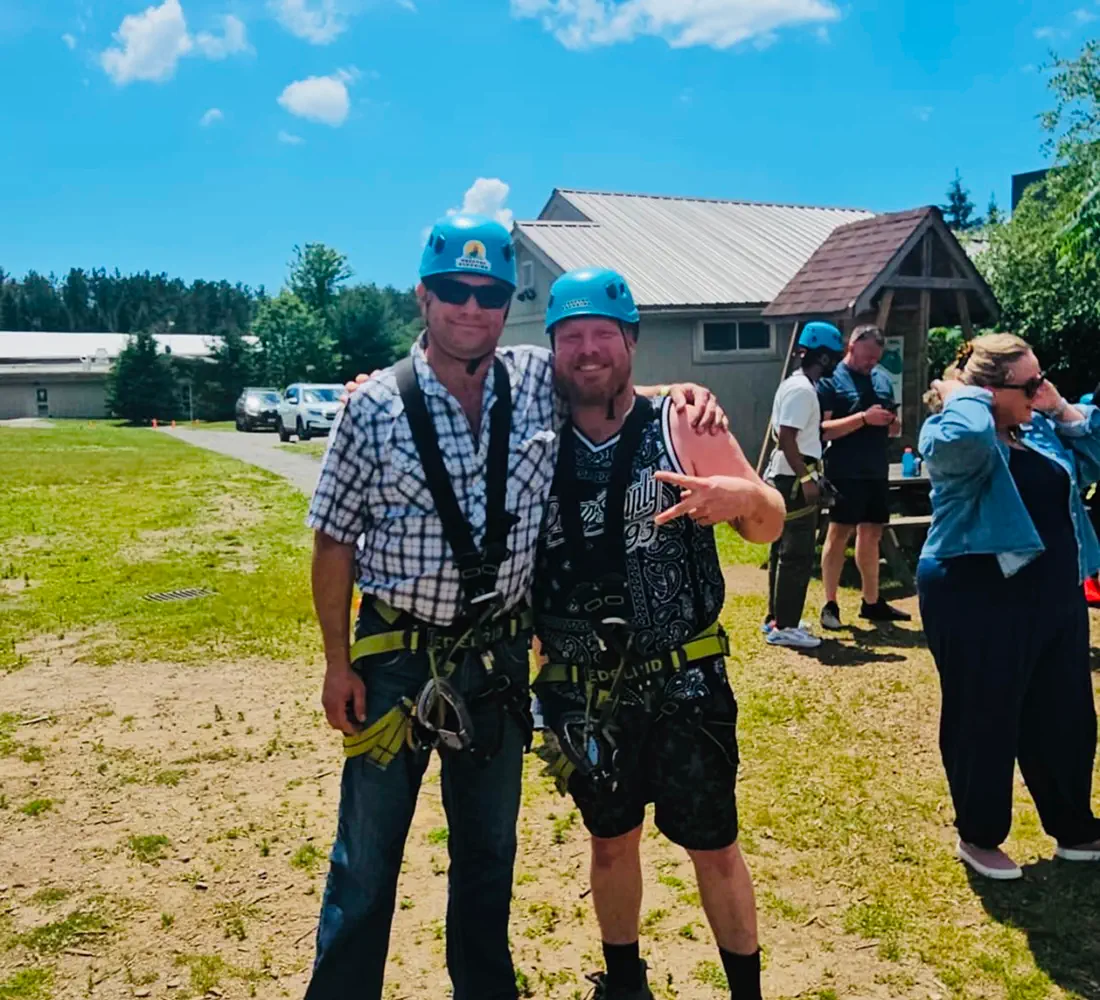
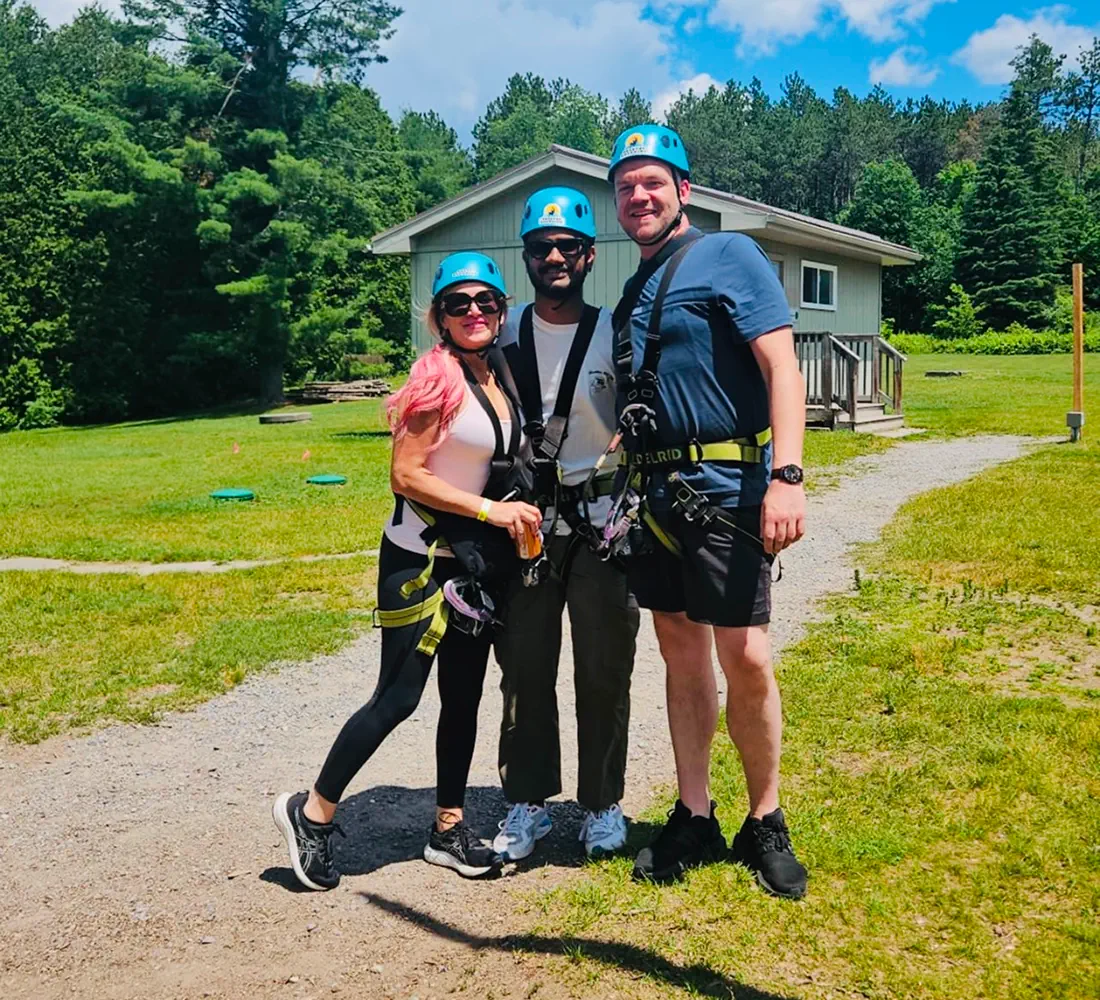
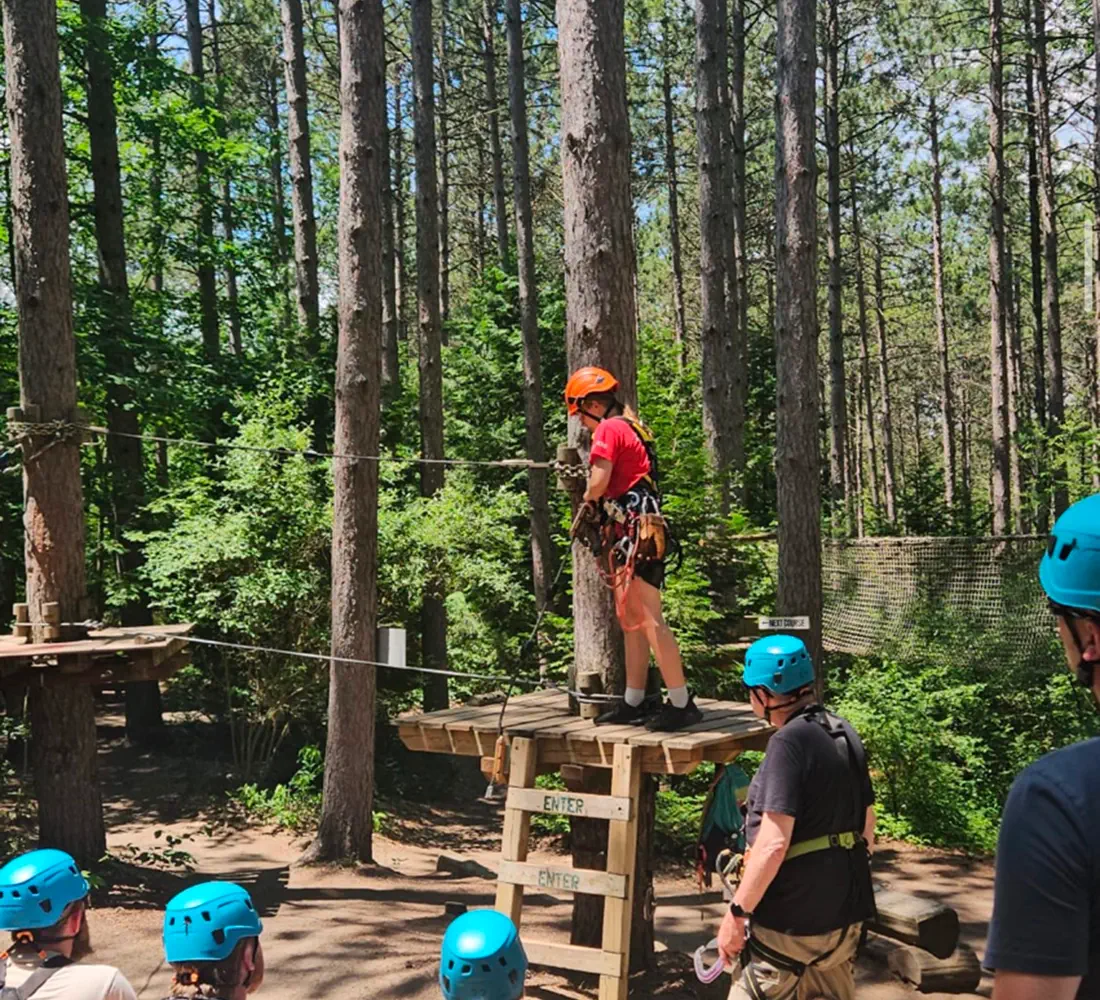
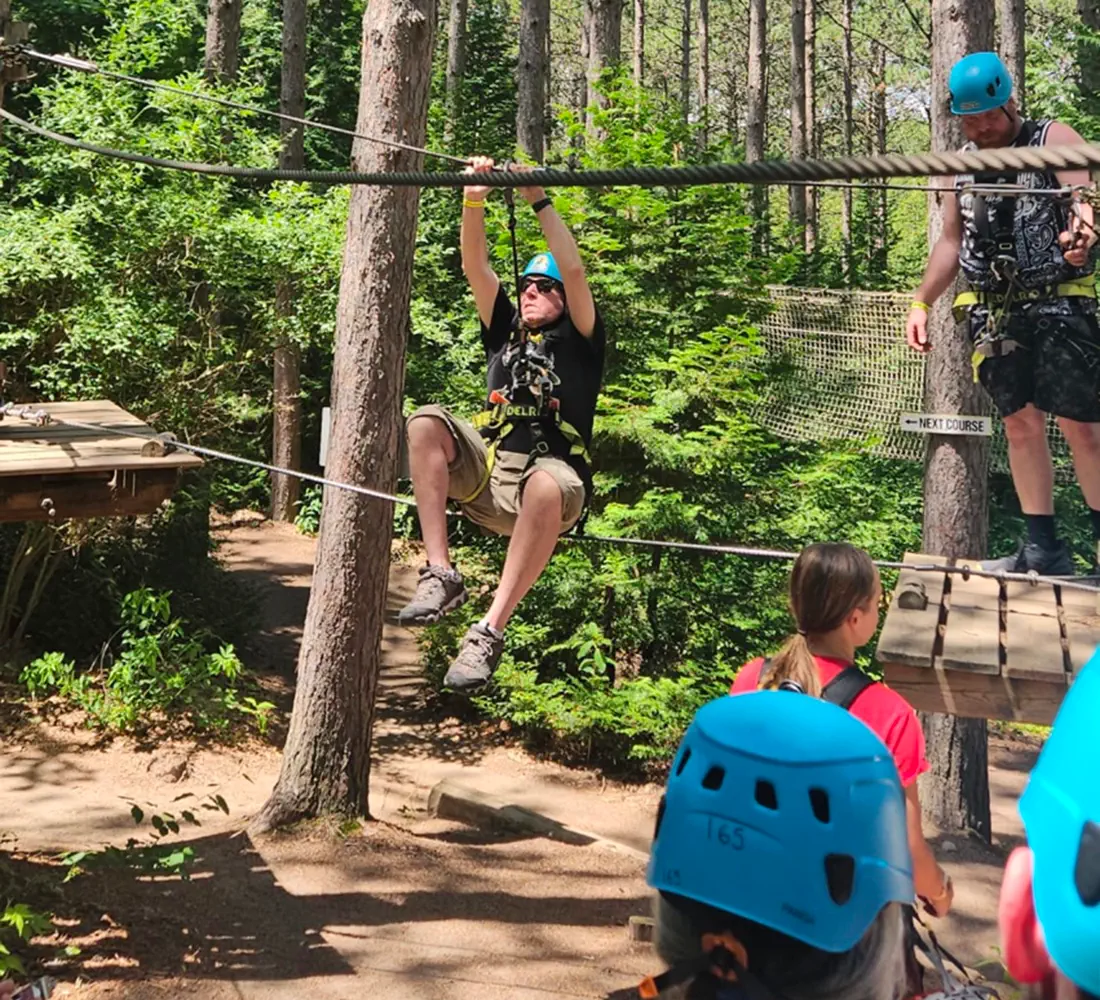
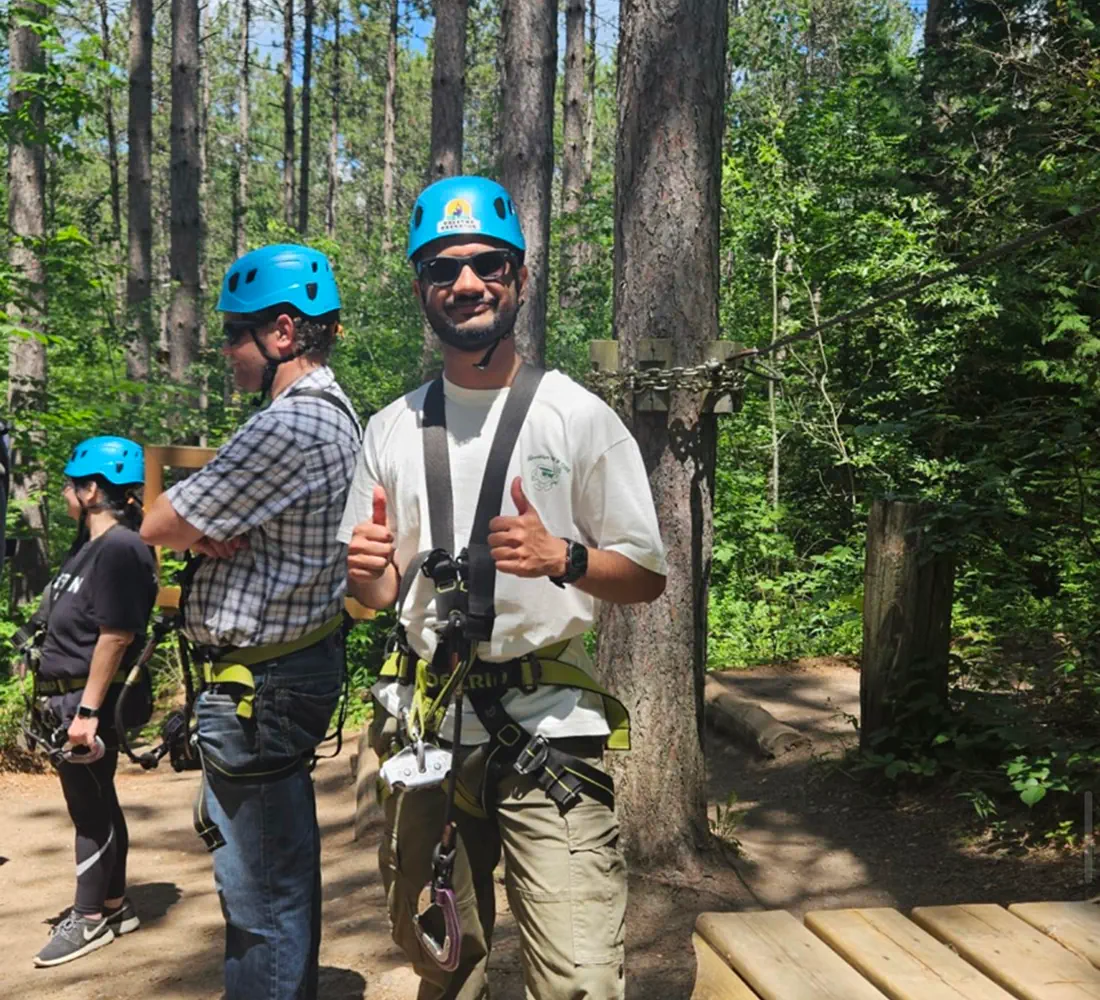
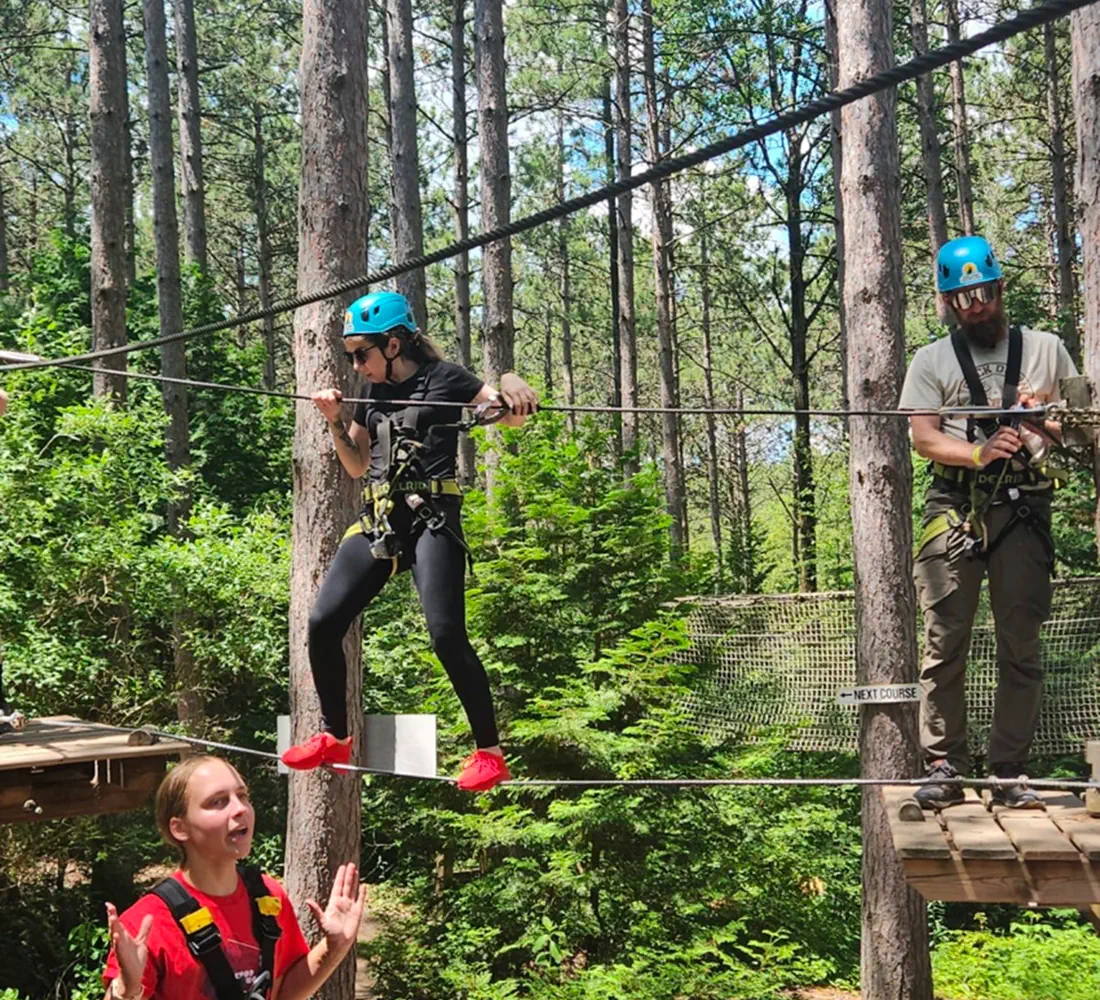
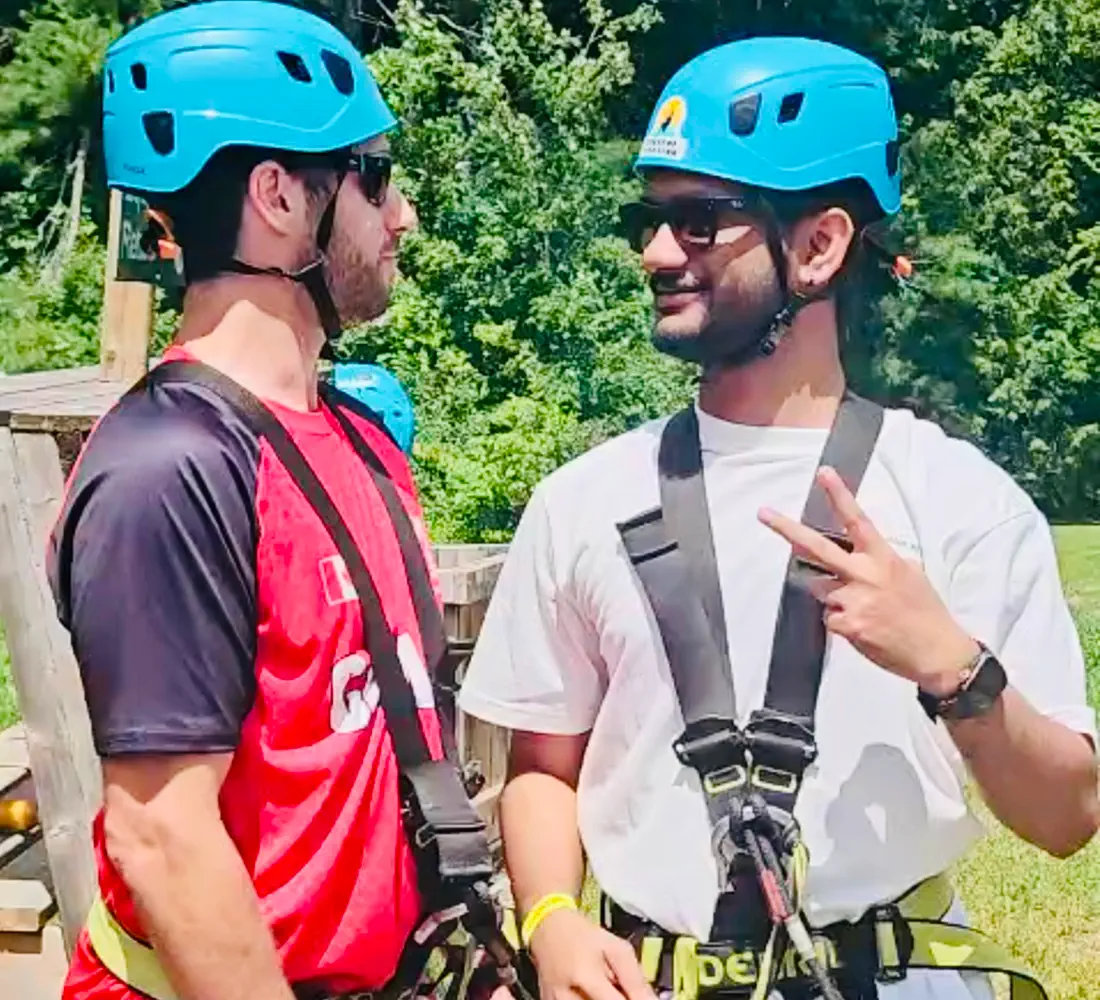
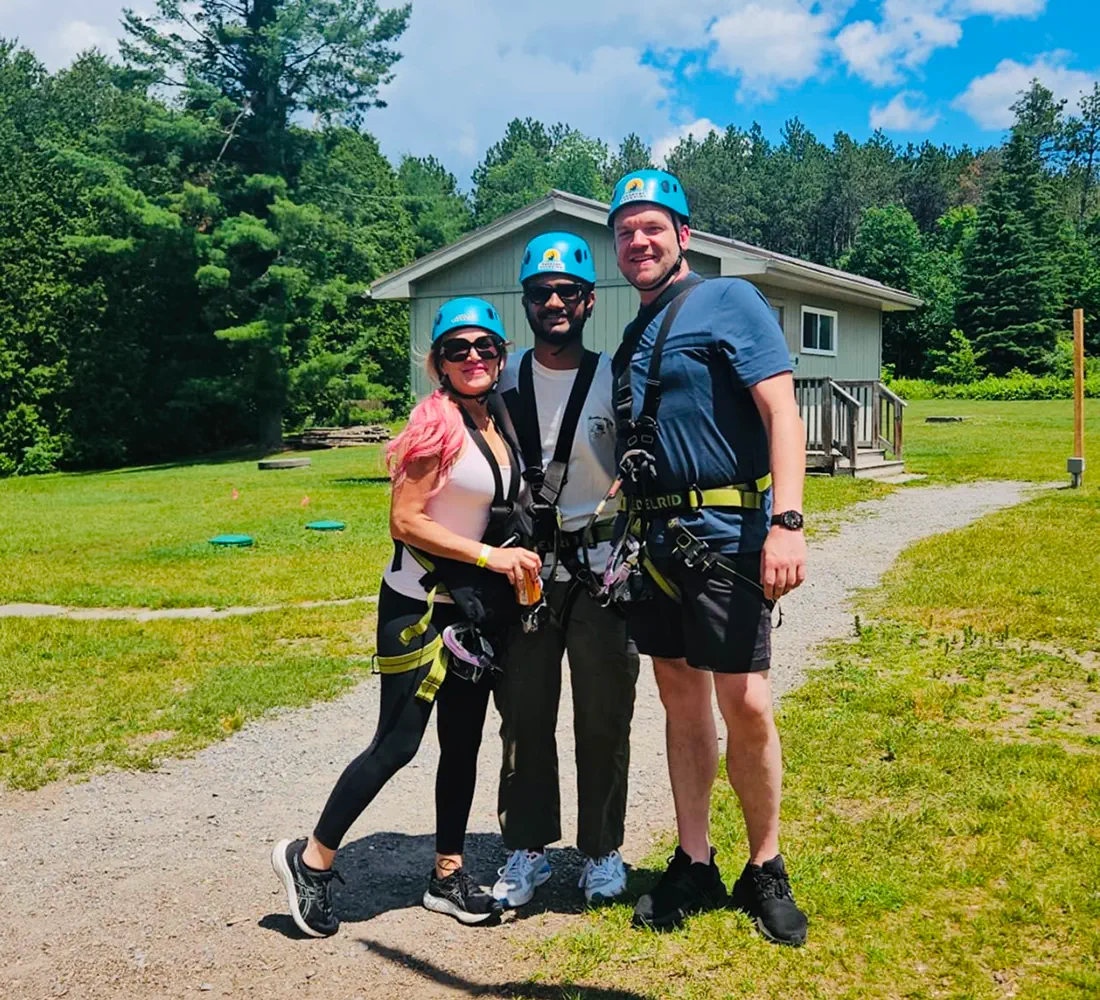
On June 27, the Roots of Recovery community traded the raceway for the forest. Tree Top Trekking in Ganaraska, just outside Port Hope, runs aerial courses through tall pines. Rope bridges, suspended platforms, and zip lines strung between the trees. The setting alone was a change of pace. Open sky, fresh air, and the kind of quiet you forget exists when you've been indoors for weeks.
Nothing about the courses was passive. Every crossing requires balance, grip, and a willingness to keep moving when the bridge sways underfoot. Some people clipped into their harnesses and took off without hesitation. Others needed a minute at the first platform, looked down, looked ahead, and then went anyway. Nobody skipped a course. By the end of the afternoon, people who had been nervous at the start line were reaching back to help the person behind them.
After the courses wrapped up, Brandon spoke to the group. He talked about growing up with Tourette's, being the captain of his high school football team, and still feeling like he didn't belong. The loneliness that followed fed directly into his addiction. He arrived at CCFA unsure of
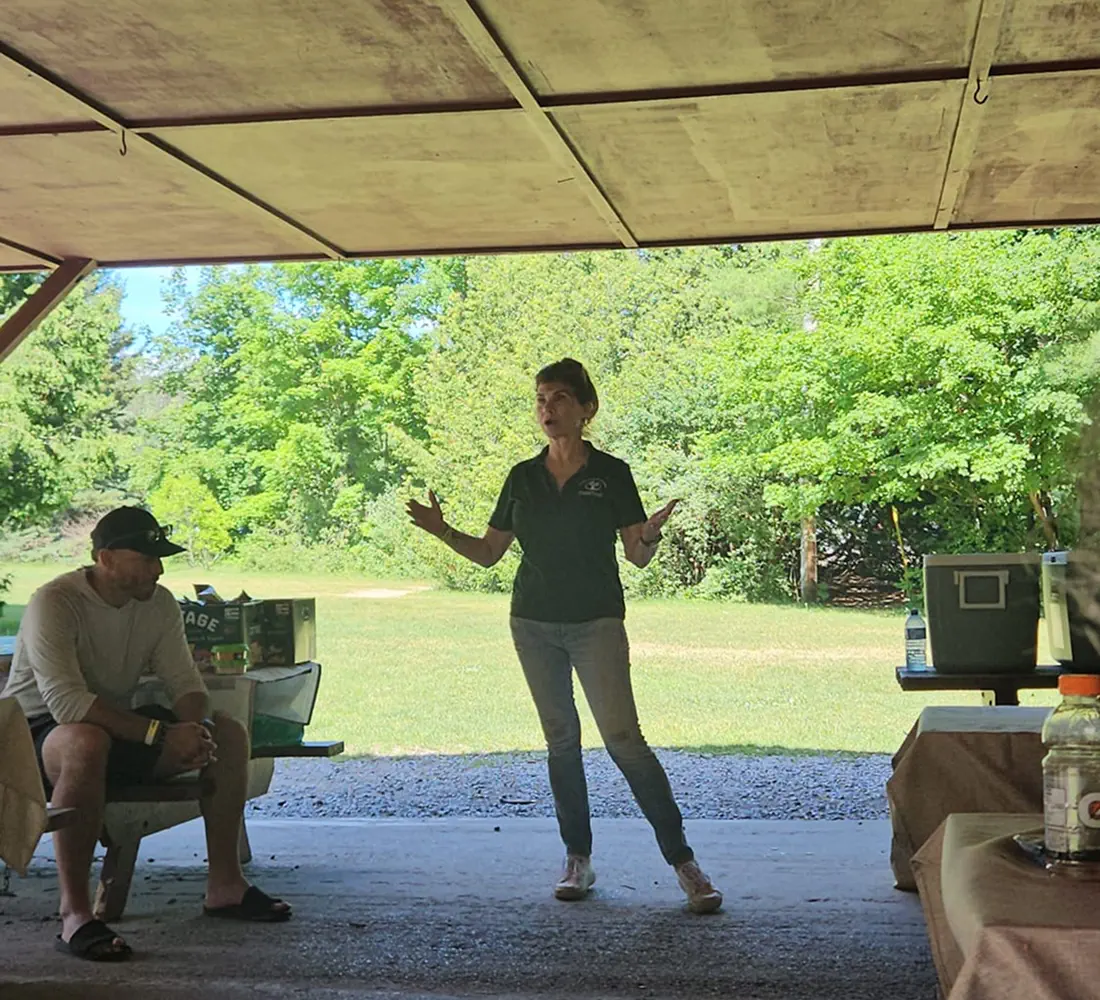
what to expect. He stayed, did the work, and pushed through the hard stretches. Today he describes his life as stable, proud, and genuinely happy. Words he never expected to use about himself.
What made his talk land was how unpolished it was. He spoke plainly about the parts that hurt and the parts that finally started to feel right. That honesty gave the group something to hold onto, especially the clients still early in their own recovery.
Once the courses were done, everyone gathered for snacks and conversation. What stood out was how natural it all felt. Clients and alumni sat together, traded stories from the courses, laughed about who froze on which bridge, and talked about life outside of treatment. No agenda. No structured group exercise. Just people connecting over food and a shared afternoon in the woods.
In August, the Roots of Recovery community headed to Escape Maze in Peterborough for a day built around teamwork, problem-solving, and a little friendly competition. Clients and alumni took on a three-kilometre outdoor adventure trail filled with clues and puzzles before testing themselves against the indoor escape rooms.
The challenges required people to communicate, listen, and work through problems together. Some clues came quickly. Others took more patience, a fresh perspective, or help from someone else in the group. That was part of what made the day work. Nobody had to solve everything alone, and getting stuck was simply another reason to regroup and try something different.
Away from the usual treatment setting, the activities gave everyone a chance to spend time together in a different way. There was plenty of problem-solving, but also plenty of laughter and the kind of easy conversation that happens when people are focused on doing
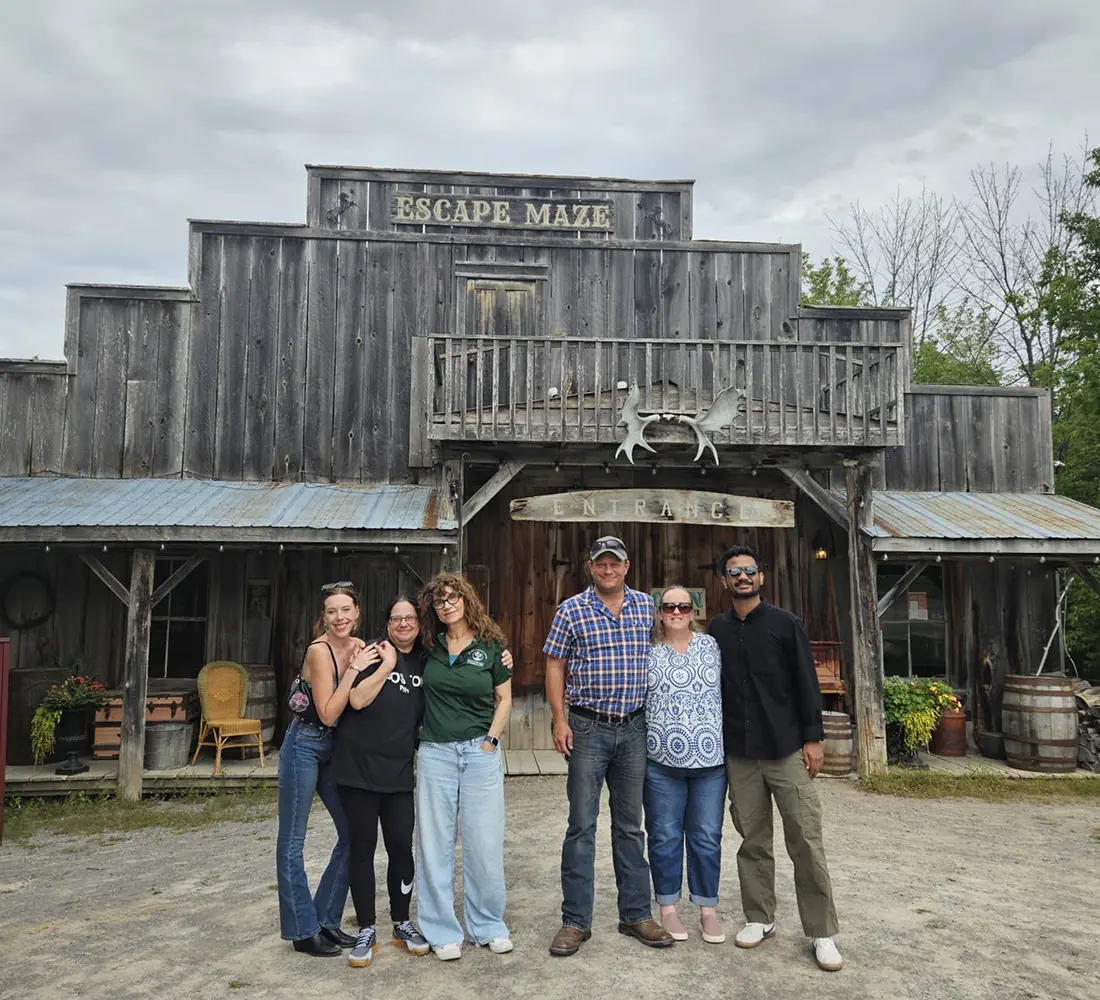
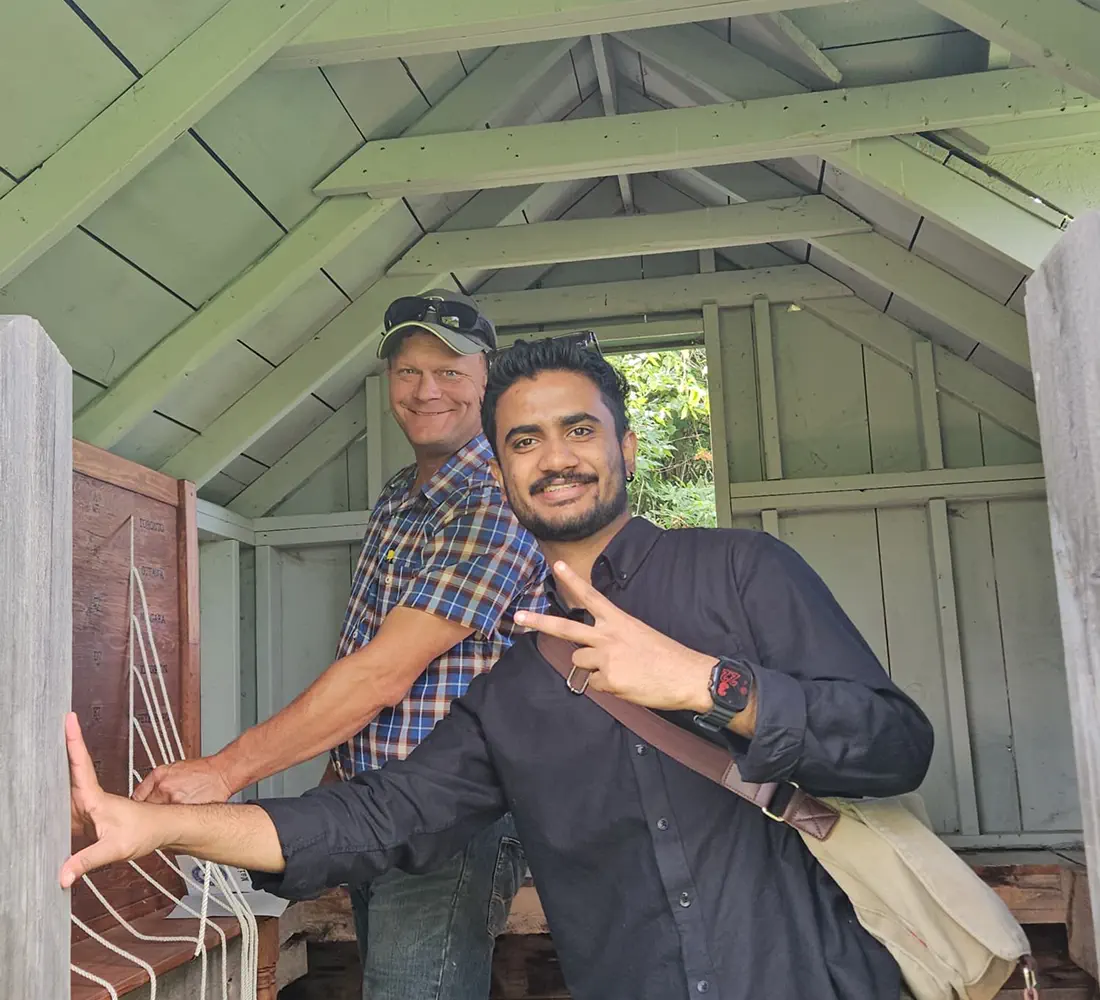
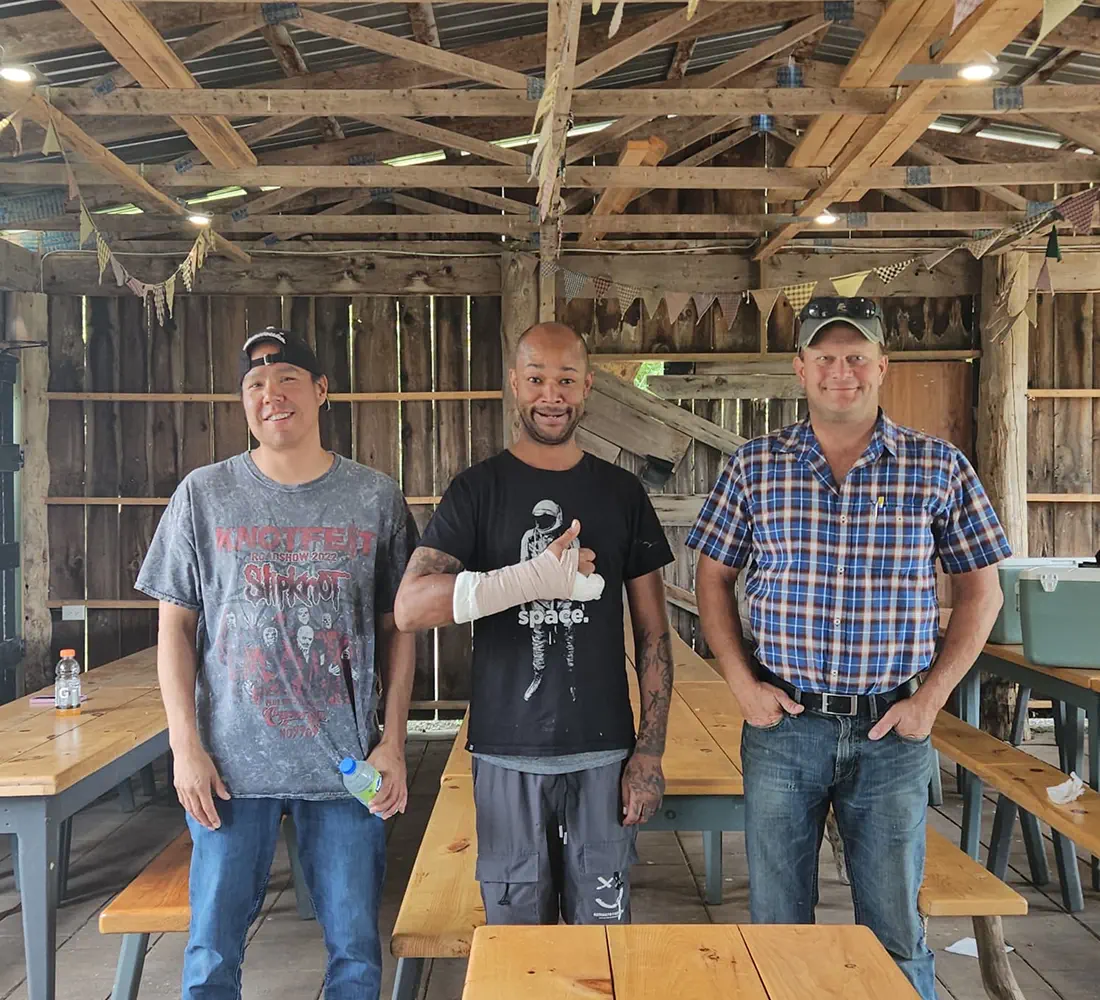
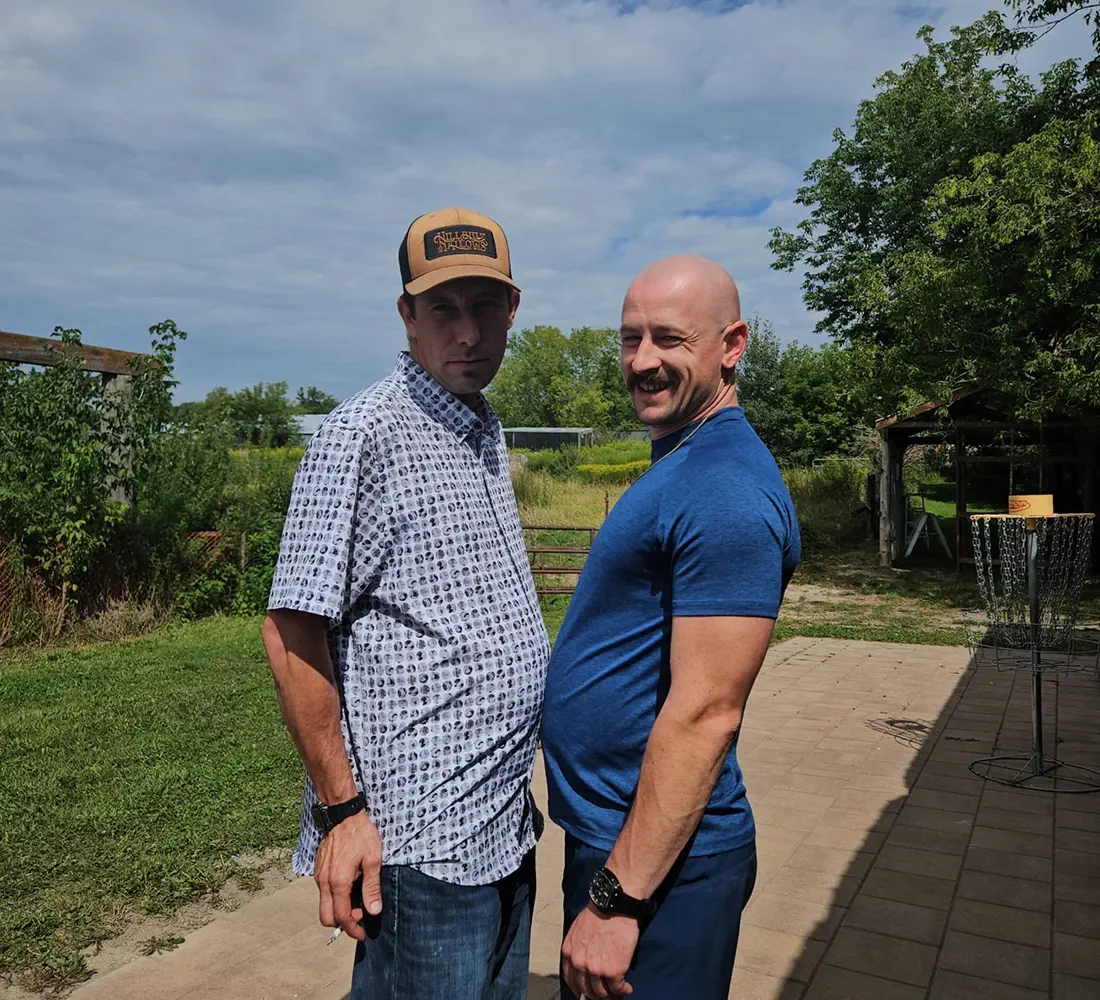
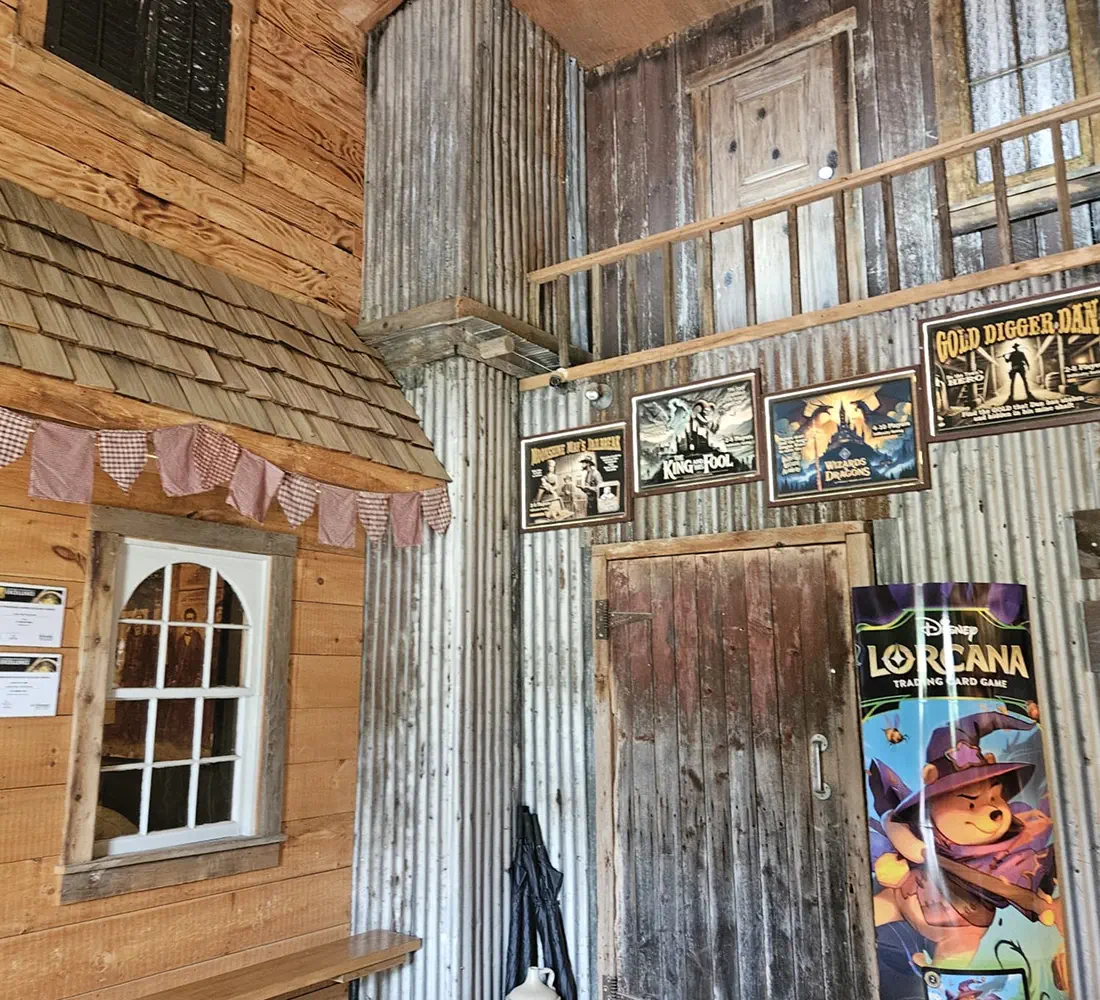
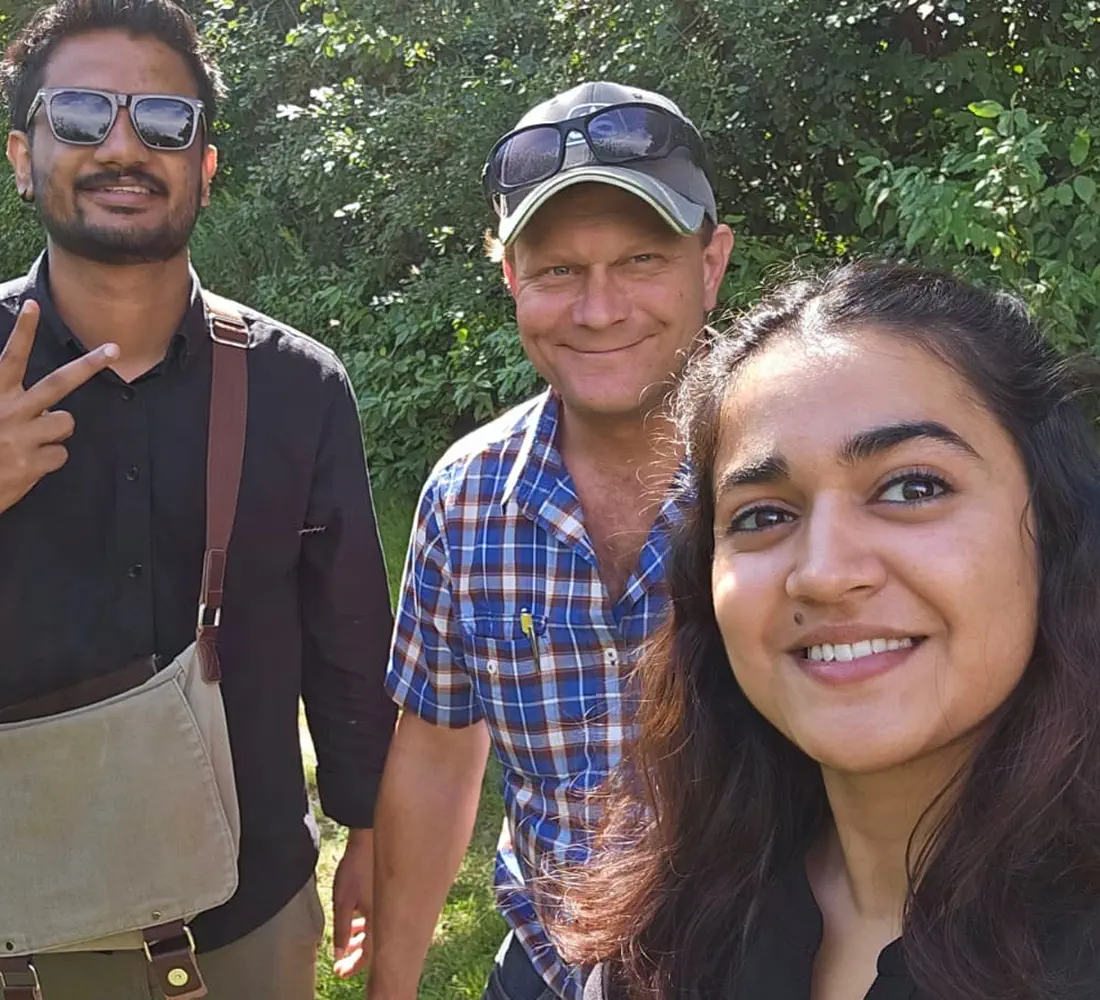
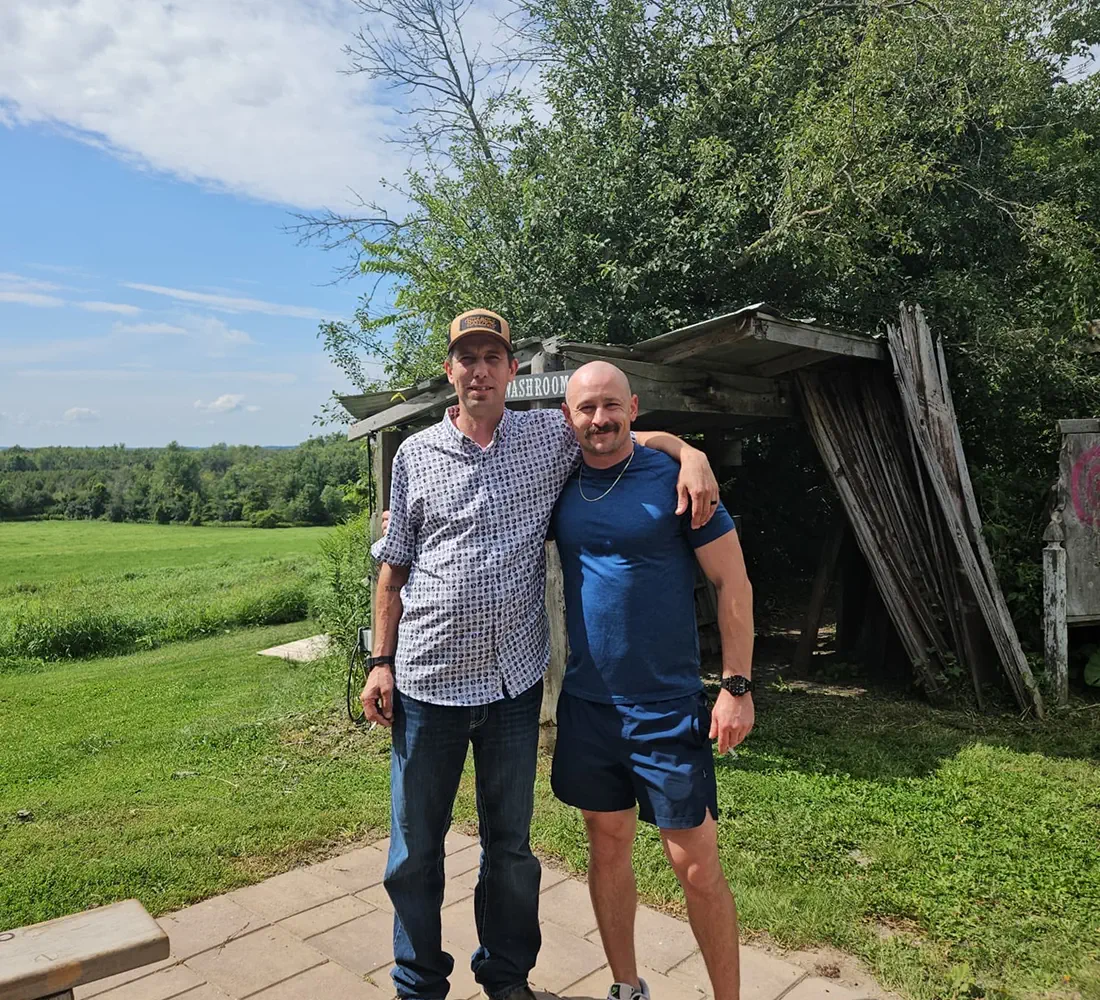
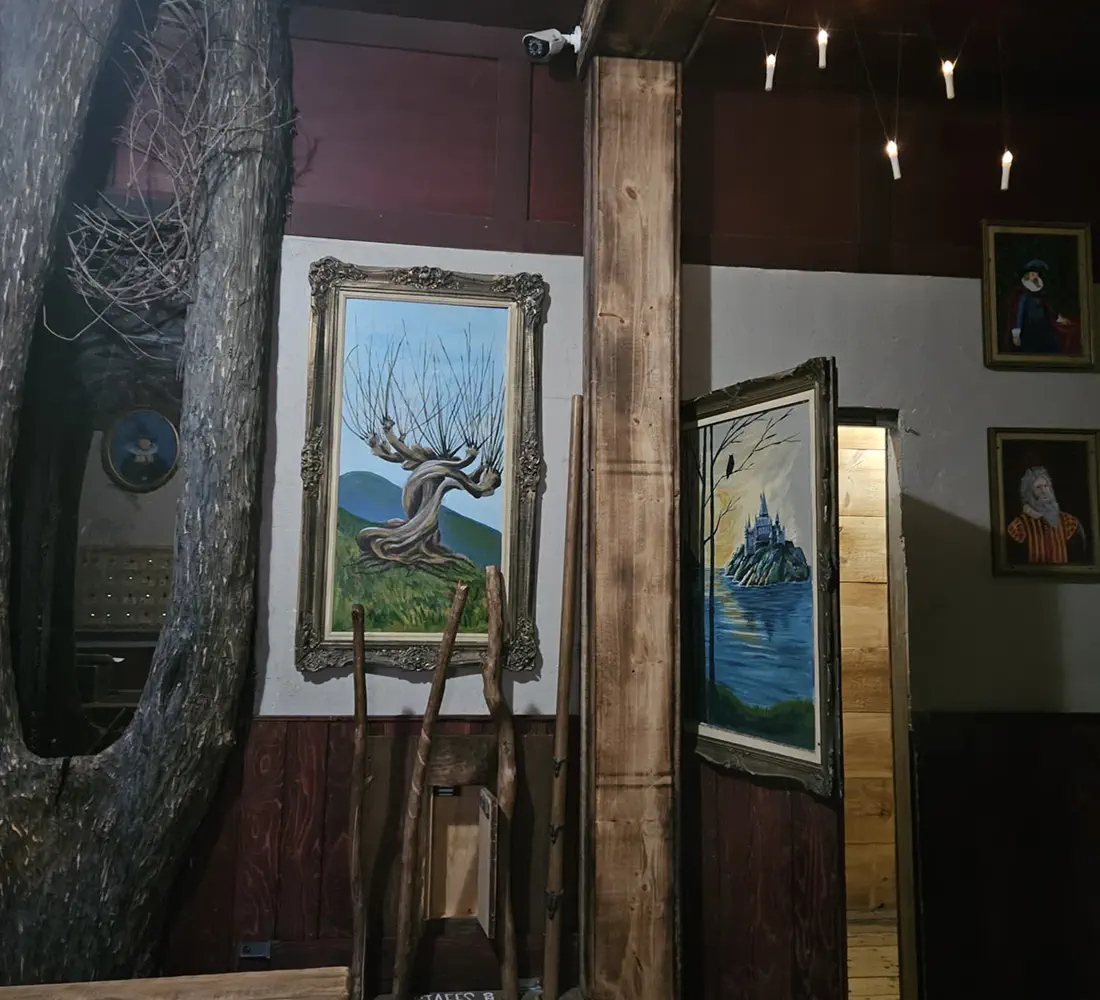
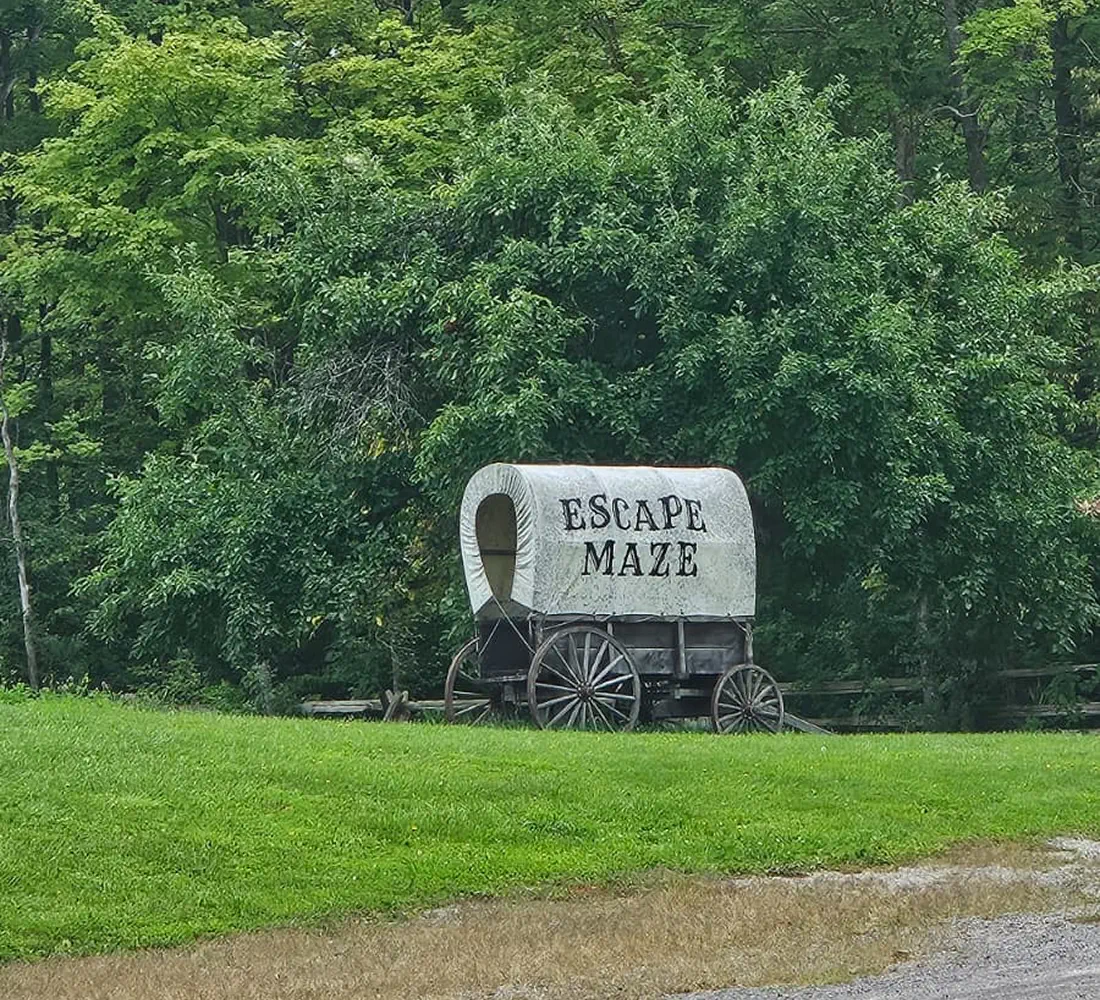
something together rather than talking about recovery directly.
The day also included a conversation with guest speaker Hotze about forgiveness, consistency, and learning to give yourself grace throughout recovery. His message was a reminder that progress does not always look dramatic. Often, it comes from continuing to show up, accepting imperfect days, and making choices that support the life you are trying to build.
That idea carried through the rest of the afternoon. Recovery involves difficult work, but it also has to leave room for connection, laughter, and enjoyment. Events like this give current clients and alumni a place to experience those things together and to see that a life in recovery can include much more than simply staying sober.
One challenge, one conversation, and one shared experience at a time, those connections become part of the support system that continues long after treatment ends.
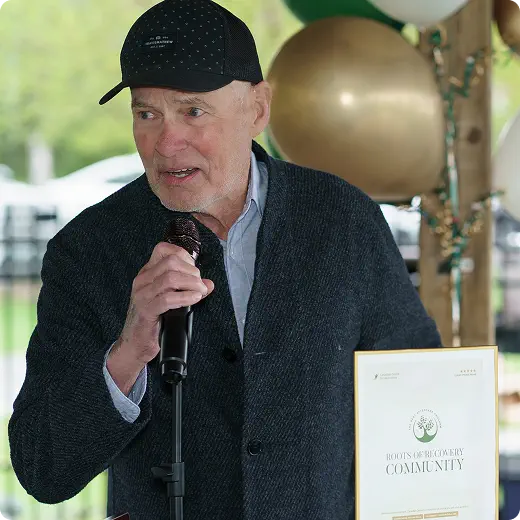
Before leaving the Canadian Centre for Addictions, every client receives lifetime access to weekly Aftercare Groups and five scheduled one-on-one follow-up sessions. After attending at least five Aftercare Groups, graduates qualify for full membership in the recovery community through Roots of Recovery. That membership unlocks monthly in-person events, everything from social gatherings and recovery milestone celebrations to volunteer opportunities, guest speakers, and hands-on workshops.
Most treatment facilities discharge clients and wish them well. Some offer a few weeks of follow-up calls. The Canadian Centre for Addictions' aftercare model goes much further. It includes weekly online groups, weekly onsite groups, follow-up one-on-one sessions with an addictions counsellor after treatment, social events, fun activities, and volunteer opportunities. The Roots of Recovery community is designed to grow stronger the longer someone stays involved, not fade out. Alumni who finished treatment a year or three years ago show up at the same events as people who graduated last month. Those alumni remember exactly how the first months felt, which is why their presence carries more weight than any pamphlet.
This structure serves a second, less obvious purpose. It gives graduates a place to practise sober socializing in a low-pressure setting. Learning how to have fun, make plans, show up, and sit with a group of people without substances backing you up is a skill. Like any skill, it gets sharper with repetition. Monthly events provide that repetition in an environment where nobody needs to explain their backstory.
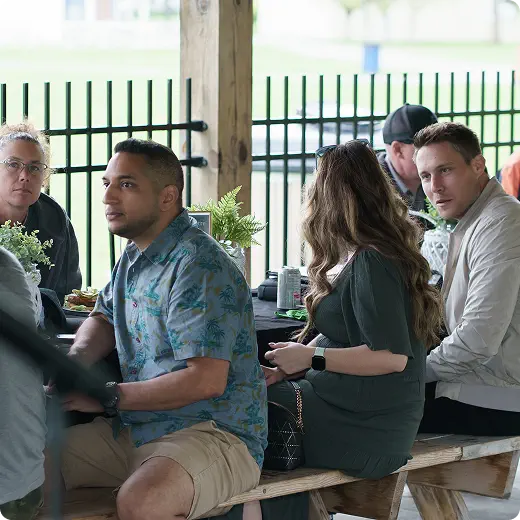
The Canadian Centre for Addictions tracks outcomes through the Rehabilitation Wellness Inventory, which measures client improvement across programs ranging from 30 to 90 days. That inventory yields a 95.6% success rate. But the measurement captures a snapshot of what's true at discharge. It can't tell the Canadian Centre for Addictions how someone is doing eighteen months later, or five years later, when the structure of daily treatment is gone.
Roots of Recovery events close that gap. When alumni return for a bowling night or a raceway outing, Canadian Centre for Addictions staff see who's thriving and who might need a check-in. If a graduate seems withdrawn or mentions a rough patch, staff can connect them with counselling or invite them to an Aftercare Group before a bad week turns into a crisis. For the clinical team, these events also confirm that what they do every day keeps working after clients leave.
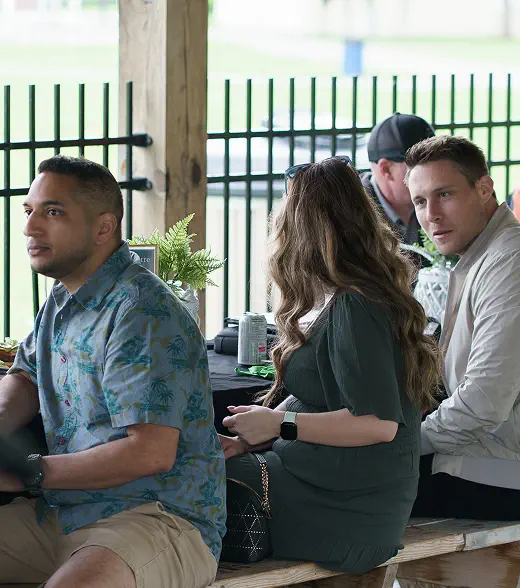
For current clients, the value is just as real. Hearing a staff member say "recovery is possible" is one message. Watching a former client win a go-kart race and then mentioning, almost casually, that they just got promoted at work is another message entirely. One tells you something could happen. The other shows you it already has. For someone halfway through a 60-day program and still unsure about what comes next, seeing that with their own eyes changes the conversation.
The Canadian Centre for Addictions has held this belief since its founding in 2011. Lifetime aftercare, ongoing family support, and a recovery community that meets face-to-face every month are not extras bolted onto a treatment plan. They are the plan's second half.
Contact Us


Start Getting Better Now
Fill out the below form and get in touch with
a treatment specialist who can help

Thanks!
We’ll contact your as soon as possible.