We offer medical detox and multiple addiction treatment options in our
luxury treatment centres in Port Hope, Cobourg, and Ottawa.
How to Enjoy Life More with Sober Activities

Nobody warns you about the empty hours. You walk out of treatment feeling clear, and by Friday you're staring at a schedule where alcohol used to be. Sober activities fill that space, and the ones that hold rebuild the brain's capacity to want things again.
Key Takeaways
- Alcohol rewires the brain's reward circuit with signals natural activity cannot match, leaving early recovery flat until consistent repetition rebuilds normal sensitivity over weeks.
- Picking a sober activity that addresses the same function drinking served, social or internal, is what makes the replacement hold long-term.
- Regular physical training lowers cortisol and improves sleep, making the emotional demands of recovery measurably lighter, and doing it with someone else is what converts a new habit into a lasting one.
- Creative work produces a specific satisfaction that passive consumption cannot replicate, directly addressing the restlessness that surfaces in the quiet hours of recovery.
- Canadian adult culture treats alcohol as structural at most gatherings, so building sober fun through recovery communities and hosting your own events has to happen deliberately.
- New sober activities collapse when they depend on daily motivation, making pre-scheduled commitments and social accountability the two most reliable ways to keep them alive.
Why Does Natural Pleasure Feel Flat in Early Recovery?
Stop drinking and dopamine doesn't disappear. It goes quiet. For years, alcohol pushed the reward circuit with a signal far stronger than anything sunlight or social laughter can generate, and the circuit adjusted by lowering its own sensitivity. Stop the alcohol and it stays at that lower setting. On a Saturday morning, everything feels like a room with the lights off.
The circuit recovers through repetition of natural reward. Exercise is the most reliable trigger. Social laughter follows. Both rebuild natural dopamine sensitivity over weeks of consistent activity, not days.
Ninety days is less a milestone than a minimum. The reward circuit needs enough repetition to re-establish baseline sensitivity before natural pleasure starts to feel reliable again1.
How Do You Know Which Sober Activity to Start With?
Before picking something, it helps to ask what drinking was doing for you. For most people, it managed either social discomfort or something internal. The replacement holds when it targets the same function. Picking something impressive that misses it tends to fail within weeks.
The table below organises ten sober activities by approximate cost and session length. A solo-versus-social distinction is also noted. None of that information appears in the sections that follow.
| Activity | Time per session | Solo or social | Approximate cost |
| Walking / running | 20–60 min, daily | Either | Free |
| Adult recreational sport league | 1–2 hrs, weekly | Social | $50–$150/season |
| Hiking | 2–5 hrs, weekends | Either | Free–$20 parking |
| Yoga drop-in class | 60–90 min, weekly | Social | $15–$25/class |
| Cooking a new cuisine | 1–2 hrs, evenings | Either | $10–$30/meal |
| Journalling | 10–15 min, daily | Solo | Free |
| Volunteering | 3–4 hrs, weekly | Social | Free |
| Recovery group (AA / SMART Recovery) | 60–90 min, weekly | Social | Free |
| Learning an instrument | 20–30 min, daily | Solo | Variable |
| Day trips and local travel | Half to full day | Either | $20–$100 |
Which Physical Sober Activities Help Mood Recovery Fastest?
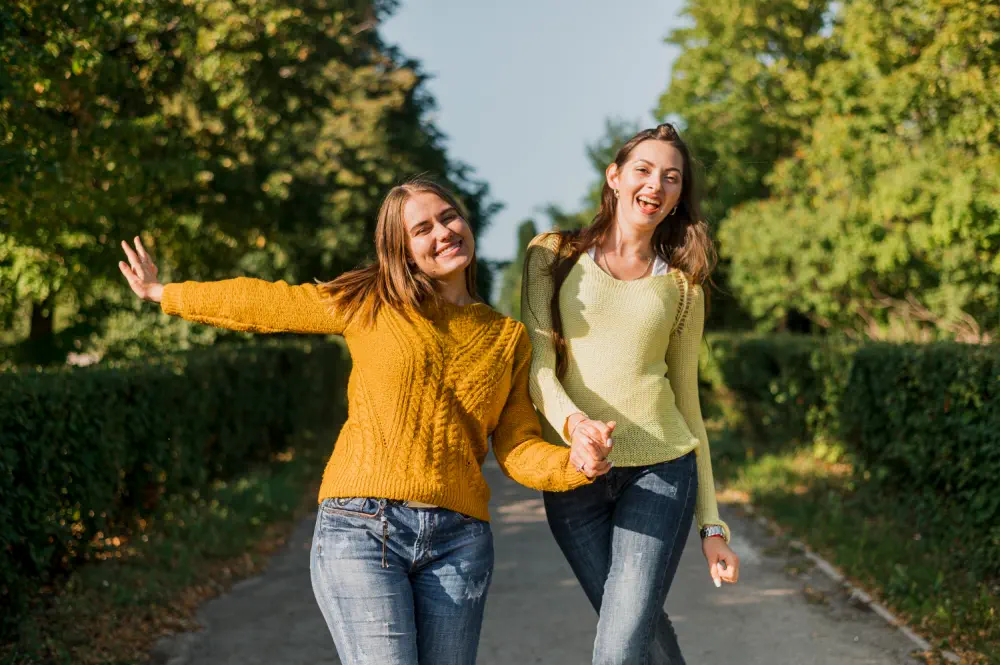
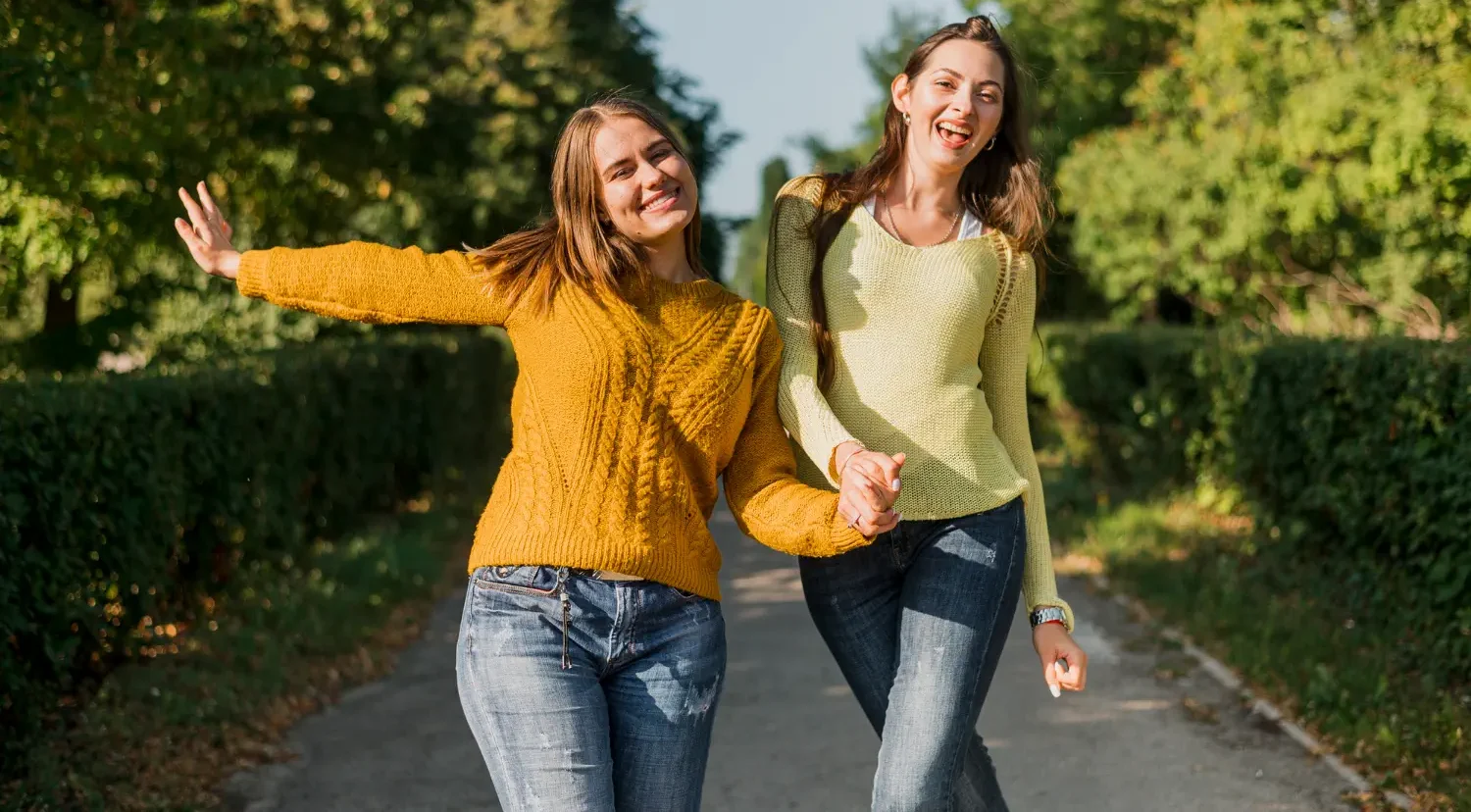
Moving the body is the fastest available route to improved mood. The cause is biology. Regular training lowers baseline cortisol over weeks of consistent effort. Sleep quality improves along with it. Both changes make the daily emotional work of early recovery measurably lighter.
Running and Walking
No membership, no equipment beyond decent shoes. The range runs from a 20-minute loop around the block to a half-marathon, all within the same core activity. In recovery, a morning run tends to replace the evening drink as the ritual that structures the day. The habit slot stays the same. The outcome changes entirely.
Most Canadian cities also have free weekly running clubs that add a social layer without requiring a formal commitment.
Adult Recreational Leagues
Adult recreational sport leagues exist in most Canadian cities, from hockey and soccer to volleyball and basketball. The athletic standard is irrelevant. What matters is having a night per week committed to the calendar and a team that notices your absence. Cancelling feels easy until someone is expecting you.
Yoga and Martial Arts
Both build body awareness, which can feel foreign after years of drinking to avoid physical sensation. Breath regulation, taught across most yoga and martial arts formats, also serves as a direct anxiety management tool outside of class. Drop-in pricing keeps the entry point low. Most people who try either one stay far longer than they planned.
Hiking
Canada has some of the most accessible trail networks in North America. A Saturday morning hike gives you movement and fresh air, with the kind of physical tiredness by evening that screen time cannot replicate. Photography or bird identification can be layered in later, once the walking itself has become routine. Find a person before you find a program.
What Can Creative Activities Give You That Exercise Cannot?
Exercise handles one dimension of recovery. The restless, unmoored feeling that surfaces in the quiet hours needs something else. Making something produces a satisfaction that pure consumption never does. You cannot scroll your way to it.
Cooking
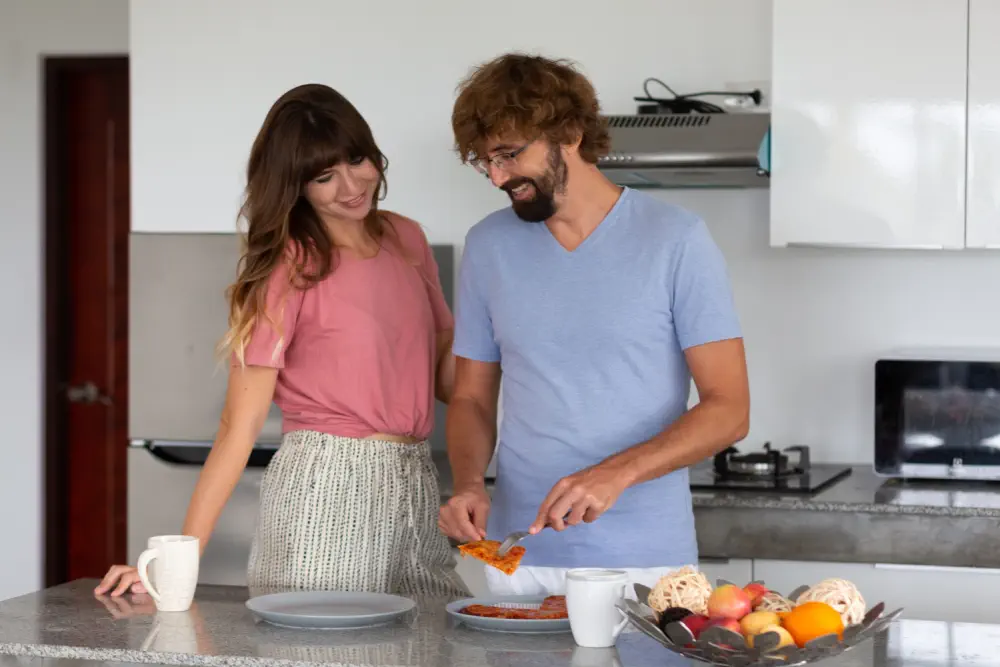
Underrated as a recovery activity. Cooking demands presence and produces something tangible. The result connects directly to other people when shared, which is part of why it holds. Spending three months working through a single cuisine gives Sunday afternoons a clear shape and builds competence that accumulates quietly.
Music
Learning an instrument as an adult is humbling in exactly the right way. Progress is slow and proportional to effort, with no shortcut through the early stages. Discipline built in a practice room transfers directly into daily life. For people who played before the addiction years, picking it back up can feel like finding a room they had forgotten existed.
Journalling
Early recovery floods the brain with emotions that substances had been keeping at bay for years. Writing gives them somewhere to go. Ten minutes before sleep, no agenda, no audience. Research on expressive writing2 links consistent journalling to reduced anxiety and improved sleep over weeks of regular practice. The gains are gradual. They accumulate.
Meditation
With the connection between alcohol and depression well-documented in recovery populations, many people arrive in treatment carrying both conditions. Meditation doesn't cure either. What it does is train the brain to observe distress without reacting immediately, a skill that proves most useful when a craving arrives at an unexpected moment.
How Do You Build Sober Fun When Canada's Default Is Drinking?
In Canada, adult gatherings default to alcohol as the organising element. Events treat it as structural. Without deliberate alternatives already in place, sober fun in recovery requires some advance planning, and a lot of blank Saturday nights follow people who skip this part.
Recovery communities, including AA and SMART Recovery, provide immediate social infrastructure with no alcohol involved. AA's core recovery slogans can sound deceptively simple until you've needed one at 10pm on a Saturday with nothing planned. The point isn't the slogans. It's the people in the room.
Volunteering
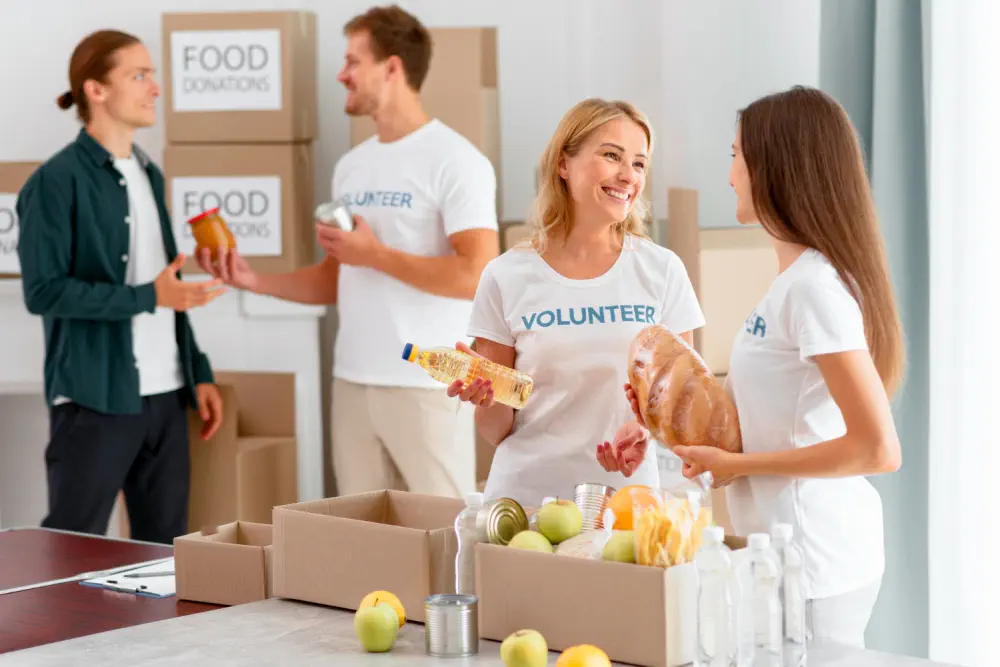
Purpose alongside connection does specific work in early recovery. Food banks and organisations like Habitat for Humanity give structure to weekends and produce the kind of satisfaction that substances promised more reliably than they delivered. Being useful to others during a period of intense self-focus produces a specific grounding that social events alone cannot replicate.
Hosting
When you host, the environment is yours. Dinner parties and film screenings both work well. Your role in the gathering moves from passive participant to organiser, and that change does more than make alcohol absent. It changes who you are in the room.
Travel
A day trip to a nearby Ontario town breaks the week and creates memories that belong entirely to sober life. Places visited while drinking become different experiences when approached clear-headed. What gets remembered the next morning tends to surprise people, and that surprise becomes its own motivation.
Why Do New Sober Activities Fall Apart After the First Few Weeks?
Starting something is simple. Returning for the third week, when the novelty is gone and nothing is pulling you back, is where the real test is. Fun in recovery builds through that third week, not before it.
Four habits that reliably prevent collapse.
- Schedule before your mood has a say. Book the class, confirm the run, text the friend in advance. When it's on the calendar, Tuesday evening you isn't making the decision.
- Graft new habits onto existing ones. Walking the dog already happens every morning. Add a podcast. Cooking dinner already happens. Add one new recipe per week. Borrowed routine holds better than invented routine.
- Tell someone specifically what you're doing. A sponsor or counsellor who knows you've joined a hiking group will ask how it went. That question closes the loop in a way internal commitment usually doesn't.
- Expect one bad session before the third. The first yoga class will probably be uncomfortable. That tells you nothing about yoga. Try it three times before deciding.
Alcohol addiction treatment addresses the dependency. What comes after is what pushes sobriety from months into years.
Is There a Right Way to Start Building a Sober Life?
Nobody assembles a sober life all at once. The activities that hold in year three of recovery are rarely the ones that looked right in month one. They're the ones chosen imperfectly, kept awkwardly, and eventually made into something that belonged to the person doing them.
At the Canadian Centre for Addictions, lifetime aftercare is included for every graduate, covering group support and individual counselling at no additional cost. Call us at 1-855-499-9446 to talk about where to start.
Sources
- CAMH. "Addictions." Centre for Addiction and Mental Health. https://www.camh.ca/en/health-info/mental-illness-and-addiction-index/addictions
- Pennebaker, J.W., Kiecolt-Glaser, J.K., and Glaser, R. "Disclosure of Traumas and Immune Function: Health Implications for Psychotherapy." Journal of Consulting and Clinical Psychology, 1988. https://pubmed.ncbi.nlm.nih.gov/3281003/
FAQ
What are the best sober activities for someone just out of treatment?
Walking daily and attending a recovery group both work as starting points for the first 90 days. The goal isn't to find a passion. It's to fill structured time and stay in contact with other people.
How do you handle social situations where everyone is drinking?
Keep something non-alcoholic in hand, sparkling water or a mocktail, so offers from others stop immediately. "I'm not drinking tonight" closes most conversations without requiring explanation. Leave if the environment becomes genuinely uncomfortable.
Can exercise replace the stress relief that alcohol provided?
Regular aerobic training lowers baseline cortisol over weeks of consistent effort. The difference from alcohol is that one builds tolerance over time and the other builds resilience.
What if nothing feels enjoyable in early recovery?
That's called anhedonia, and it's clinically common in the first weeks after stopping alcohol. It reflects the reward circuit recalibrating, not a permanent condition. Low-pressure activities, specifically walks and time with one trusted person, help the system reset without adding performance pressure.
How much does social connection matter in recovery?
Isolation consistently ranks among the strongest predictors of relapse. Two or three reliable, sober-positive relationships and a consistent reason to see them outperform any amount of solo willpower.