

We offer medical detox and multiple addiction treatment options in our
luxury treatment centres in Port Hope, Cobourg, and Ottawa.
Is It Safe to Drink Alcohol on Hydromorphone?

Prescription opioid overdoses claim thousands of Canadian lives each year, with alcohol involvement significantly increasing fatality risk. Hydromorphone, sold under brand names like Dilaudid, ranks among the most powerful opioid medications doctors prescribe for severe pain. No amount of alcohol is safe while taking this medication. Even small quantities combined with hydromorphone create life-threatening complications that can stop your breathing, damage your liver, and trigger fatal overdoses.
Key Takeaways
- Why the combination is dangerous: Both hydromorphone and alcohol slow down your central nervous system, amplifying effects that can stop your breathing.
- What makes it worse: Extended-release formulations can "dose dump" when mixed with alcohol, releasing dangerous amounts all at once.
- How your body reacts: From immediate drowsiness to life-threatening respiratory depression, the effects escalate quickly and unpredictably.
- When liver damage occurs: Both substances stress your liver differently, but together they create compounding toxicity that accelerates damage.
- Who faces the highest risks: Certain groups experience magnified dangers that make even small amounts potentially lethal.
- What to do instead: Practical alternatives exist for pain management and social participation that don't risk your life.
Why Do People Mix Hydromorphone and Alcohol Despite the Warnings?
Most people do not set out to mix these substances. They forget about medication timing, underestimate a glass of wine at dinner, or believe their tolerance protects them.

Several patterns emerge repeatedly:
| Common Scenarios | The Reality |
| Taking evening medication, then accepting a drink hours later | Hydromorphone stays active in your system for 4-6 hours (immediate-release) or up to 24 hours (extended-release) |
| Believing "just one drink" won't hurt | Your liver processes both substances simultaneously, creating unpredictable blood concentrations |
| Assuming warnings apply to heavy drinking only | Even moderate alcohol consumption significantly amplifies opioid effects |
| Self-medicating emotional pain alongside physical pain | Alcohol temporarily masks distress but multiplies physical dangers |
| Developing tolerance and thinking about risks decreases | Tolerance to pain relief does not equal tolerance to respiratory depression |
Honest conversations with healthcare providers rarely occur. Patients minimize alcohol consumption during appointments, doctors rush through warnings, and prescription labels get ignored. Meanwhile, chronic pain wears people down, making any relief seem worth trying, even risky combinations.
What Happens When You Combine Hydromorphone and Alcohol?
Both substances slow your central nervous system to dangerous levels. Hydromorphone and alcohol target overlapping brain receptors, creating exponential rather than additive effects. What each substance does separately gets magnified dramatically when they meet in your bloodstream.
The Biological Process
Hydromorphone binds to opioid receptors throughout your brain and spinal cord, reducing pain signals while simultaneously depressing respiratory drive. Alcohol enhances GABA receptors, which calm neural activity across multiple brain regions. When combined, they attack your central nervous system from two different angles at once.

Your brain loses its ability to regulate breathing properly. The automatic signals that tell your lungs to inhale and exhale weaken progressively. Blood oxygen levels drop while carbon dioxide builds up. Meanwhile, your liver struggles to process both substances simultaneously, leading to unpredictable blood concentrations of each.
Physical Effects That Develop
Hydromorphone side effects intensify dramatically with alcohol consumption. Standard medication reactions transform into dangerous complications:
- Extreme sedation that progresses to unconsciousness.
- Slowed breathing that becomes increasingly shallow and irregular.
- Severe confusion and disorientation beyond normal medication effects.
- Dangerous drops in blood pressure causing dizziness and fainting.
- Profound impairment of coordination and motor control.
- Intense nausea and vomiting while consciousness is impaired.
- Memory blackouts spanning hours.
- Depressed heart rate and cardiac irregularities.
The unpredictability makes this combination particularly deadly. Hydromorphone side effects vary between individuals based on body weight, metabolism, other medications, and liver function. Adding alcohol creates a chemical wildcard that medical professionals cannot predict or control.
What Is "Dose Dumping" and Why Is It So Dangerous?
Dose dumping occurs when extended-release capsules break down too quickly, flooding your bloodstream with an entire day's medication at once. Alcohol dissolves the protective coating designed to release hydromorphone gradually over 12 to 24 hours.

The consequences prove devastating. Hydromorphone and alcohol consumed together increased peak blood concentrations by six times on average. One study participant experienced a 16-fold increase. Even small amounts of alcohol triggered dangerous spikes.
The Palladone Case
Purdue Pharma withdrew Palladone XL from the market in 2005 specifically because of this interaction. The extended-release hydromorphone capsule showed such extreme dose dumping with alcohol that regulators deemed it too dangerous to remain available, even with warnings.
Current formulations like Hydromorph Contin still carry this risk. While manufacturers claim improved designs, mixing any extended-release hydromorphone with alcohol remains unpredictable. These concentration spikes directly cause opioid overdose deaths because the body receives far more medication than it can handle. Your respiratory system simply stops functioning when blood levels surge beyond safe limits.
How Do Hydromorphone and Alcohol Damage Your Liver?
Your liver metabolizes both substances through different enzyme pathways, creating competing demands on an already overworked organ. This metabolic competition leads to toxic buildup and accelerated cellular damage.
The Metabolic Clash
Hydromorphone breaks down primarily through glucuronidation (a detoxification process that makes drugs water-soluble for elimination), while alcohol requires processing by alcohol dehydrogenase (an enzyme that converts alcohol into toxic acetaldehyde) and CYP2E1 enzymes (proteins that further break down alcohol but produce harmful byproducts).
When both arrive simultaneously, your liver must prioritize alcohol metabolism because ethanol itself is toxic. This delays hydromorphone processing, keeping higher drug concentrations circulating longer than intended.
Meanwhile, alcohol liver damage mechanisms kick in. Alcohol metabolism produces acetaldehyde, a highly toxic compound that triggers inflammation and oxidative stress. These same cellular regions already stressed by hydromorphone processing suffer compounded injury.
The progression follows a predictable pattern:
- Fatty deposits accumulate as liver cells struggle with dual toxin processing.
- Inflammation develops across the liver tissue (alcoholic hepatitis).
- Scar tissue replaces healthy cells, reducing function.
- Cirrhosis emerges as permanent, irreversible scarring.
- Liver damage eventually progresses to complete organ failure.
Early warning signs include persistent fatigue, unexplained nausea, abdominal swelling, and yellowing skin or eyes. By the time these symptoms appear, substantial harm has already occurred.
What Are the Warning Signs of a Dangerous Reaction?
Opioid overdose combined with alcohol toxicity creates recognizable symptoms that demand immediate action. Respiratory failure kills quickly, often within minutes of severe symptoms appearing.

Critical Warning Signs
Watch for these life-threatening indicators:
- Breathing slower than 8 breaths per minute or stopping completely.
- Blue or grey lips, fingernails, or skin indicating oxygen deprivation.
- Unconsciousness or inability to wake the person.
- Limp body with no muscle tone.
- Choking sounds or gurgling from the throat.
- Pinpoint pupils that do not respond to light.
- Extreme confusion or inability to speak coherently.
- Vomiting while unconscious, creating aspiration risk.
Immediate Action Steps
Call 911 the moment you notice slowed breathing or unconsciousness. Do not wait to see if symptoms improve. While waiting for emergency services, place the person on their side to prevent choking if they vomit.
Naloxone (Narcan) reverses opioid overdose effects but does nothing for alcohol toxicity. Administer it immediately if available, following package instructions. One dose may not be enough when alcohol is involved because the combined depression is more severe.
Tell emergency responders exactly what substances were consumed, including timing and amounts. Honesty saves lives. Medical teams need complete information to provide appropriate treatment, and they are not there to judge or involve law enforcement in medical emergencies.
Who Faces the Highest Risk?
Certain populations experience magnified dangers when combining hydromorphone and alcohol, often facing fatal complications from amounts others might survive.
High-Risk Groups
- Elderly patients metabolize both substances significantly slower.
Reduced kidney function, decreased liver capacity, and age-related changes in body composition mean medications and alcohol remain active much longer. What clears a younger person's system in hours may linger for days in someone over 65.
- People with pre-existing liver conditions carry extreme vulnerability.
Hepatitis, fatty liver disease, or any chronic liver damage means the organ already functions at reduced capacity. Adding the dual burden of hydromorphone and alcohol can trigger acute liver failure requiring emergency transplantation.
- Those taking multiple medications face dangerous interactions beyond the two substances.
Benzodiazepines, muscle relaxants, sleep aids, and certain antidepressants all depress the central nervous system. Each additional medication compounds the respiratory depression risk exponentially.
- Individuals with respiratory conditions like asthma, COPD, or sleep apnea already struggle with adequate breathing.
These baseline vulnerabilities mean even mild respiratory depression from this combination becomes immediately life-threatening.
- Patients with kidney disease cannot efficiently clear either substance from their blood.
Toxicity builds faster and persists longer, creating extended periods of danger even after stopping intake.
What Are Safer Alternatives for Pain Management?
Pain management without alcohol requires honest conversations with your healthcare provider about your complete situation, including social habits and concerns.
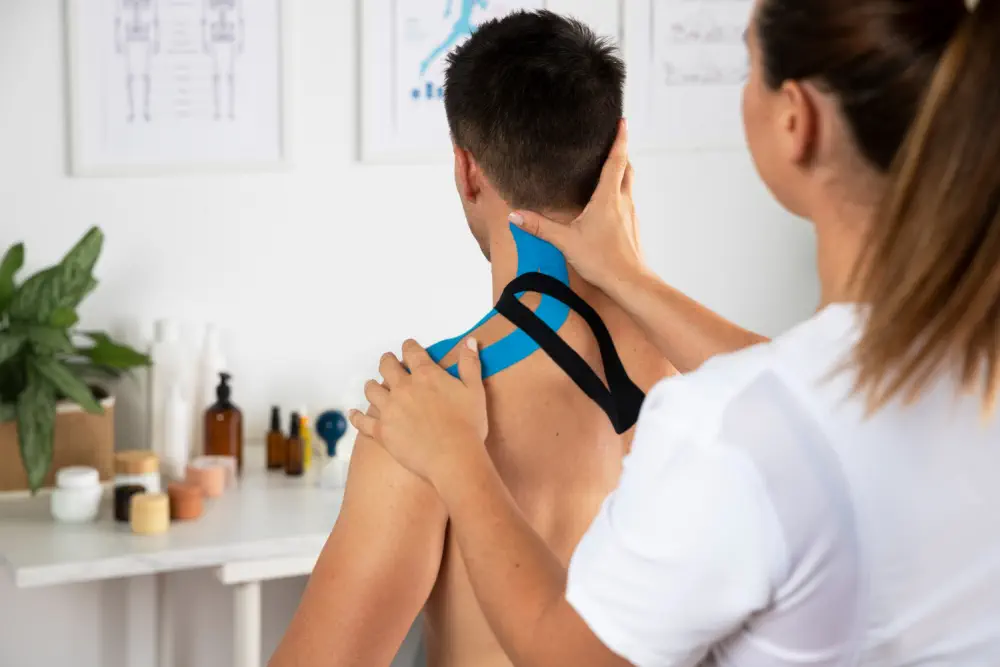
Medical Alternatives
Several approaches avoid the dangerous interaction:
- Non-opioid pain medications like gabapentin or certain antidepressants for nerve pain.
- Physical therapy and targeted exercises that address pain sources.
- Nerve blocks or injections for localized pain relief.
- Adjusting hydromorphone timing around social events (under medical supervision only).
- Switching to shorter-acting formulations that clear your system faster.
Social Participation Strategies
You can attend gatherings without risking your life. Mocktails, sparkling water in wine glasses, and simply declining drinks without explanation all work. Real friends respect medical boundaries.
When Addiction Complicates Pain Management
If you find yourself unable to avoid alcohol despite knowing the risks, or if you take more hydromorphone than prescribed, professional support becomes necessary. At the Canadian Centre for Addictions, we understand how chronic pain and substance dependence intertwine. Our programs address both physical pain management and the underlying patterns driving dangerous combinations.
Recovery means building sustainable strategies that protect your health while managing legitimate medical needs. Call 1-855-499-9446 to discuss comprehensive treatment options.
Will You Risk Everything for One Drink?
The science leaves no room for interpretation. Combining hydromorphone with any amount of alcohol creates unpredictable, potentially fatal consequences affecting your breathing, liver function, and central nervous system. These dangers exist regardless of tolerance, timing, or quantity consumed. Pain management requires careful navigation, but your life depends on maintaining strict separation between opioid medications and alcohol. The temporary discomfort of declining a drink never outweighs the permanent consequences of mixing these substances.
FAQ
Can I have just one drink while taking hydromorphone?
No. Even small amounts of alcohol dangerously amplify hydromorphone's effects on your central nervous system and breathing. There is no safe quantity.
How long after taking hydromorphone can I safely drink alcohol?
Wait at least 24 hours after your last dose of immediate-release hydromorphone, or 48-72 hours for extended-release formulations. Consult your doctor for personalized guidance based on your specific prescription.
What should I do if I accidentally mixed hydromorphone and alcohol?
Call 911 immediately if you experience slowed breathing, extreme drowsiness, or confusion. Have someone stay with you and monitor your symptoms closely until emergency help arrives.
Are there any medications safer to mix with alcohol than hydromorphone?
No opioid medication is safe to combine with alcohol. All opioids create similar dangerous interactions, though the severity varies. Discuss all medications with your doctor before consuming alcohol.
How can I manage pain at social events without risking my safety?
Plan medication timing with your doctor, choose non-alcoholic beverages, and remember that protecting your health takes priority over social pressure. Alternative pain management strategies exist for temporary adjustments.