

We offer medical detox and multiple addiction treatment options in our
luxury treatment centres in Port Hope, Cobourg, and Ottawa.
How Alcohol and Blood Sugar Interact in Your Body

That glass of wine with dinner seems harmless enough. But inside your body, a biochemical battle begins the moment alcohol enters your bloodstream. Your liver faces an impossible choice. Your pancreas scrambles to respond. And your blood glucose levels swing unpredictably.
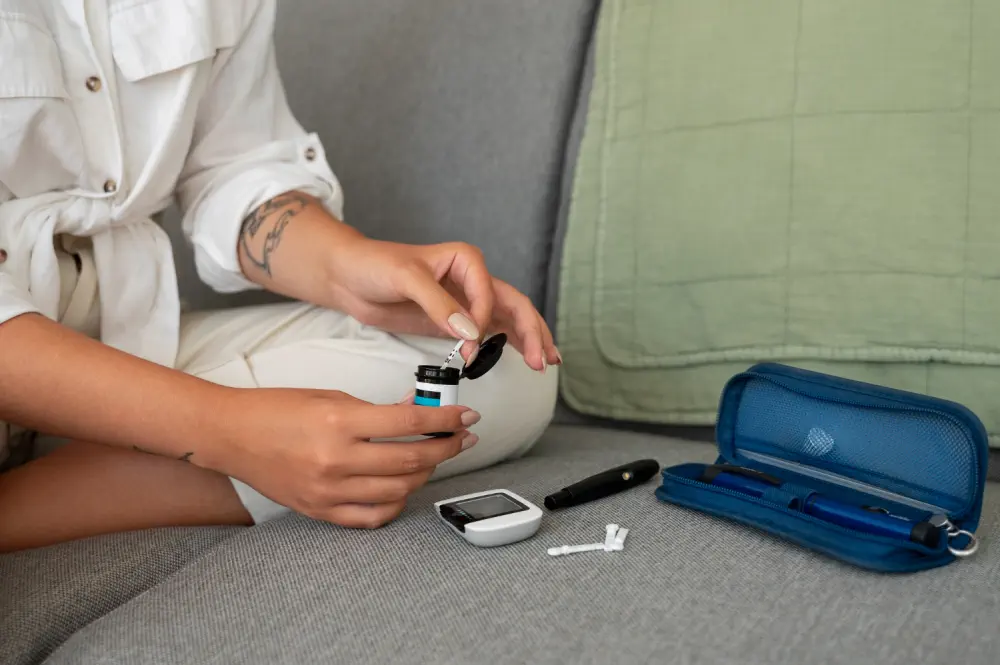
The relationship between alcohol and blood sugar is far more complicated than most people realise. For people managing diabetes, recovering from addiction, or simply trying to maintain stable energy, these interactions deserve close attention.
Key Takeaways
- Liver Prioritisation. The liver treats alcohol as a toxin and stops producing glucose while metabolising it. This can cause dangerous blood sugar drops, especially on an empty stomach.
- Initial Spike, Later Crash. Alcoholic drinks with mixers or carbohydrates cause blood sugar to rise first, then fall sharply hours later as the liver remains occupied metabolising alcohol.
- Ethanol's Metabolic Pathway. Alcohol bypasses normal digestive routes and gets priority handling in the liver, disrupting gluconeogenesis and glycogen release for up to 24 hours.
- Hypoglycemia Risk. Low blood sugar from alcohol can mimic intoxication symptoms, making them difficult to recognise and potentially dangerous if left untreated.
- Recovery Implications. Blood sugar instability creates physical discomfort that increases the risk of relapse for people in addiction recovery.
What Happens When Alcohol Enters Your System
Your body handles alcohol differently than food or other beverages. While nutrients from a meal travel through your digestive system over several hours, alcohol takes a shortcut. About 20% absorbs directly through your stomach lining. The remaining 80% passes quickly through the small intestine into your bloodstream.
Within minutes, alcohol reaches the liver.
The Liver's Emergency Response
Your liver recognises ethanol as a potentially harmful substance. It immediately prioritises breaking down this toxin over all other metabolic functions. Every other task gets pushed aside.
Under normal circumstances, your liver maintains blood sugar through two main pathways. First, it releases stored glucose from glycogen reserves. Second, it manufactures new glucose through gluconeogenesis, converting proteins and fats into usable energy.
Ethanol metabolism shuts down these pathways. The enzymes needed to break down alcohol, primarily alcohol dehydrogenase and aldehyde dehydrogenase, consume resources the liver would otherwise use for glucose production. It cannot multitask effectively when alcohol is present.
The metabolic competition explains why alcohol and blood sugar levels become so unstable after drinking.
The Timeline of Blood Sugar Changes
Blood sugar responses to alcohol follow a predictable but frequently misunderstood pattern.
| Time After Drinking | What Happens in Your Body | Blood Sugar Effect |
| 0-30 minutes | Alcohol absorbs rapidly, liver starts metabolising | May rise if drink contains sugar |
| 1-3 hours | Liver prioritises ethanol metabolism, glucose production halts | Begins falling |
| 4-12 hours | Liver still working, glycogen stores depleted | Lowest point, sugar crashes likely |
| 12-24 hours | Normal liver function gradually resumes | Slowly stabilises |
The danger zone arrives hours after you stop drinking. Many people experience their lowest blood sugar levels while sleeping, completely unaware of the biochemical crisis occurring inside their bodies.
Why Blood Sugar Can Rise After Drinking

Not every drinking experience causes blood sugar to fall. Sometimes levels spike dramatically before the inevitable crash.
The Carbohydrate Connection
Many alcoholic beverages contain substantial sugar. A piña colada can pack over 30 grams of carbohydrates. Sweet wines, liqueurs, and cocktails mixed with juice or soda add extra glucose to your system even before considering the alcohol itself.
Your pancreas responds to this sugar influx by releasing insulin. But here's the complication. While insulin works to lower blood sugar, alcohol simultaneously impairs your liver's ability to produce glucose. The insulin keeps working even after the dietary sugar is used up, driving levels dangerously low.
Beer presents its own unique challenges. Although not particularly sweet-tasting, beer contains maltose and other carbohydrates from grain fermentation. A single pint can contain 13-15 grams of carbohydrates, enough to spike blood sugar before alcohol's suppressive effects take over.
Individual Variation
Two people drinking identical amounts can experience completely different blood sugar responses. Body weight, liver health, recent food intake, current blood sugar levels, medications, and genetic differences in how the body metabolises alcohol all influence outcomes.
People with insulin resistance may see more dramatic initial spikes. Those with well-functioning insulin responses might crash faster.
The Dangerous Reality of Sugar Crashes
Hours after your last drink, alcohol detoxification continues demanding liver resources. Meanwhile, your body needs glucose for basic functions. Brain cells, red blood cells, and kidney cells require constant glucose supply. They cannot use alternative fuel sources.
When blood sugar drops below approximately 70 mg/dL, hypoglycemia symptoms emerge.
Recognising the Warning Signs
Hypoglycemia produces symptoms that overlap disturbingly with alcohol intoxication.
- Confusion and difficulty concentrating
- Slurred speech and coordination problems
- Sweating and shakiness
- Rapid heartbeat
- Irritability and mood changes
- Extreme fatigue
- Blurred vision
- Nausea
Someone experiencing hypoglycemia after drinking might appear intoxicated. Bystanders might assume they need to "sleep it off" rather than recognising a medical emergency. This confusion can delay treatment and lead to seizures, loss of consciousness, or worse.
Why Eating Matters
Food in your stomach dramatically changes how alcohol affects blood sugar. Proteins and fats slow alcohol absorption, giving your liver more time to handle smaller amounts. Carbohydrates provide immediate glucose that can offset reduced liver production.
Drinking on an empty stomach accelerates absorption and amplifies the blood sugar roller coaster. Without incoming nutrients, your body must rely entirely on a liver too busy breaking down toxins to maintain normal glucose levels.
Long-Term Health Consequences
Repeated alcohol-induced blood sugar swings create lasting damage beyond immediate discomfort.
Pancreatic Stress
The pancreas works overtime responding to erratic glucose levels. First releasing insulin to counter carbohydrate spikes, then struggling to manage falling levels. This constant demand contributes to pancreatic exhaustion over time.
Chronic heavy drinking is linked to both Type 1 and Type 2 diabetes. Research published in Diabetes Care shows that heavy drinking increases diabetes risk by 43% compared to moderate consumption.
Liver Damage Compounds Problems
A healthy liver can usually recover from occasional alcohol exposure. But repeated stress causes gradual damage. Fatty liver disease, alcoholic hepatitis, and cirrhosis all impair glucose regulation capacity.
As liver function declines, its ability to store glycogen and produce glucose diminishes. People with alcohol-related liver damage experience more severe and prolonged blood sugar instability after drinking.
Special Considerations for People in Recovery
Blood sugar instability creates particular challenges for those recovering from alcohol addiction. The physical discomfort of hypoglycemic episodes can trigger powerful urges to drink again.
The Craving Connection
When blood sugar drops, your brain sends urgent signals demanding quick energy. These signals feel remarkably similar to alcohol cravings. Your body learned that alcohol provided rapid relief from various forms of discomfort. Now, experiencing low blood sugar, it may generate strong urges to return to drinking.
Such biological responses increase the risk of relapse during early recovery. The body hasn't yet established new patterns for managing energy needs. Every blood sugar drop becomes a test of resolve.
Building Stable Habits
Effective relapse prevention includes practical steps for maintaining steady blood sugar throughout the day. Regular meals with balanced protein, fats, and whole-grain carbohydrates help prevent the dramatic swings that trigger discomfort and cravings.
When your blood sugar remains steady, you have more resources for managing psychological challenges. Fewer physical stressors mean fewer opportunities for cravings to gain a foothold.
Moving Toward Better Health
Knowing how alcohol and blood sugar interact helps you make better decisions. If you're managing diabetes, supporting recovery, or simply wanting to feel better after social drinking, this knowledge matters.
At the Canadian Centre for Addictions, we address the psychological and physiological dimensions of alcohol dependence, including nutritional support that helps stabilise blood sugar and reduce physical triggers for relapse.
Concerned about how alcohol is affecting your health? Contact the Canadian Centre for Addictions at 1-855-499-9446. Our team provides confidential assessments and can help you understand your options for treatment and support.
FAQ
Can alcohol cause diabetes?
Heavy drinking increases Type 2 diabetes risk by damaging the pancreas and liver over time. Moderate drinking shows mixed results in research. The safest way to prevent diabetes involves limiting alcohol consumption.
Why do I feel shaky the morning after drinking?
Morning shakiness frequently results from low blood sugar. The liver spent the night breaking down alcohol instead of maintaining glucose levels. Eating a balanced breakfast with protein and whole-grain carbohydrates usually resolves these symptoms within 30-60 minutes.
Is beer or liquor worse for blood sugar?
Beer contains more carbohydrates, causing larger initial blood sugar spikes. Straight liquor has fewer carbohydrates but can cause more severe drops because there's no dietary sugar to offset liver impairment. Mixed drinks with sugary ingredients combine both problems.
How long does alcohol affect blood sugar?
Alcohol's effects on blood sugar can last 12-24 hours after drinking, depending on the amount consumed. Heavy drinking sessions may affect levels for even longer. The liver needs time to fully recover its normal glucose production capacity.
Should people with diabetes avoid alcohol completely?
Many people with diabetes can drink moderately with careful planning. This means eating food with alcohol, monitoring blood sugar more frequently, and choosing lower-carbohydrate options. However, those with unstable blood sugar or certain complications may need to avoid alcohol entirely. Consulting with a healthcare provider helps determine individual safety.