

We offer medical detox and multiple addiction treatment options in our
luxury treatment centres in Port Hope, Cobourg, and Ottawa.
What is Dilaudid Addiction?

Your doctor prescribed Dilaudid after surgery. The relief felt incredible – pain you'd been tolerating for weeks disappeared within minutes. Two weeks later, you're taking pills more frequently than the bottle suggests. You tell yourself it's fine, you're managing legitimate pain. But something shifted without you noticing. That's how Dilaudid addiction sneaks in, masquerading as medical necessity until the line between treating pain and chasing relief blurs completely.
Hydromorphone, sold under the brand name Dilaudid, ranks among Canada's most powerful prescription painkillers. Doctors prescribe it when other opioids don't provide adequate relief. The medication works brilliantly for severe pain – and that's precisely what makes it dangerous. Opioid dependence can develop even when you're following medical instructions, turning what began as legitimate treatment into a crisis faster than most people expect.
Key Takeaways:
- Why Dilaudid is different from other painkillers: What makes hydromorphone eight times more potent than morphine, and why this concentrated power accelerates addiction risk even when following medical instructions.
- How addiction hijacks your brain in three stages: The progression from tolerance to physical dependence to full addiction, and why your nervous system can demand higher doses within just weeks of starting treatment.
- The warning signs that hide behind legitimate pain management: Which behavioural patterns signal the shift from medical use to dependency, and why family members often notice changes before the person using Dilaudid does.
- Which side effects demand immediate medical attention: The critical 24-72 hour window when respiratory depression peaks, and which complications can turn dangerous before you recognise the warning signs.
- What withdrawal actually feels like and why it's so hard: The psychological torture of knowing exactly what would stop the suffering, and why Dilaudid's short half-life creates a compressed timeline that catches people unprepared.
Can You Get Addicted to Dilaudid While Following Prescriptions?
Dilaudid contains hydromorphone hydrochloride, a semi-synthetic opioid derived from morphine. The Canadian government classifies it as a Schedule II controlled substance – the same category as fentanyl and oxycodone. This classification exists because hydromorphone carries a high potential for abuse and severe psychological or physical dependence.
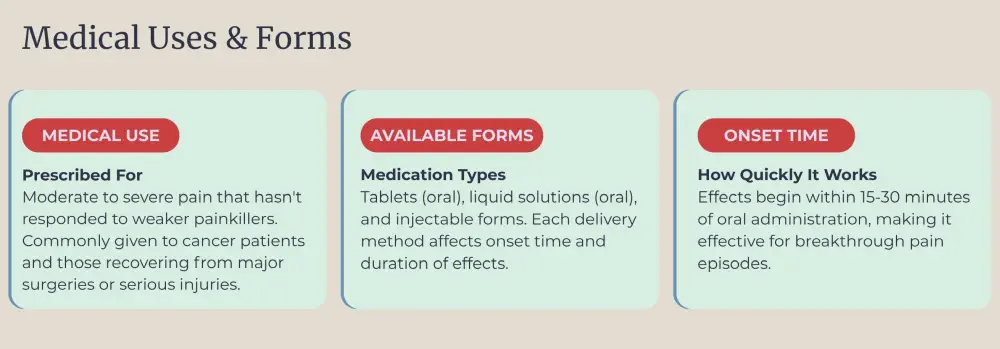
Doctors prescribe Dilaudid for moderate to severe pain that hasn't responded to weaker painkillers. Cancer patients receive it frequently. So do people recovering from major surgeries or dealing with serious injuries. The medication comes as tablets, liquid solutions, and injectable forms, with effects beginning within 15 to 30 minutes of oral administration.
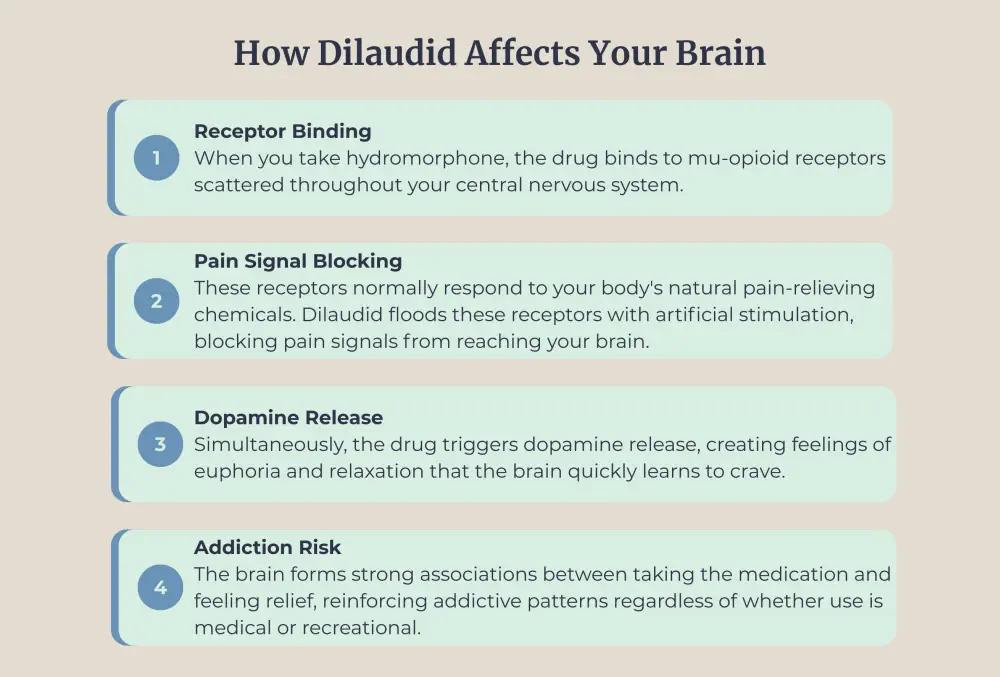
When you take hydromorphone, the drug binds to mu-opioid receptors scattered throughout your central nervous system. These receptors normally respond to your body's natural pain-relieving chemicals. Dilaudid floods these receptors with artificial stimulation, blocking pain signals while simultaneously triggering dopamine release. That dopamine surge creates feelings of euphoria and relaxation that the brain quickly learns to crave.
The medication's potency sets it apart from other opioids. Research shows hydromorphone delivers pain relief approximately eight times stronger than morphine. A 2mg Dilaudid tablet roughly equals 10-15mg of morphine. This concentrated power means effective pain management – and accelerated addiction risk.

The body doesn't distinguish between legitimate medical use and recreational abuse. The same chemical processes occur whether taking prescribed doses for post-surgical pain or crushing tablets to inject for a high. Either pathway can lead to opioid dependence when use continues long enough.
How Does Dilaudid Addiction Develop?
The shift from pain patient to person with addiction rarely announces itself. Most people don't wake up one morning, realising they can't function without their pain medication. The progression happens through predictable biological stages that feel logical at each step.
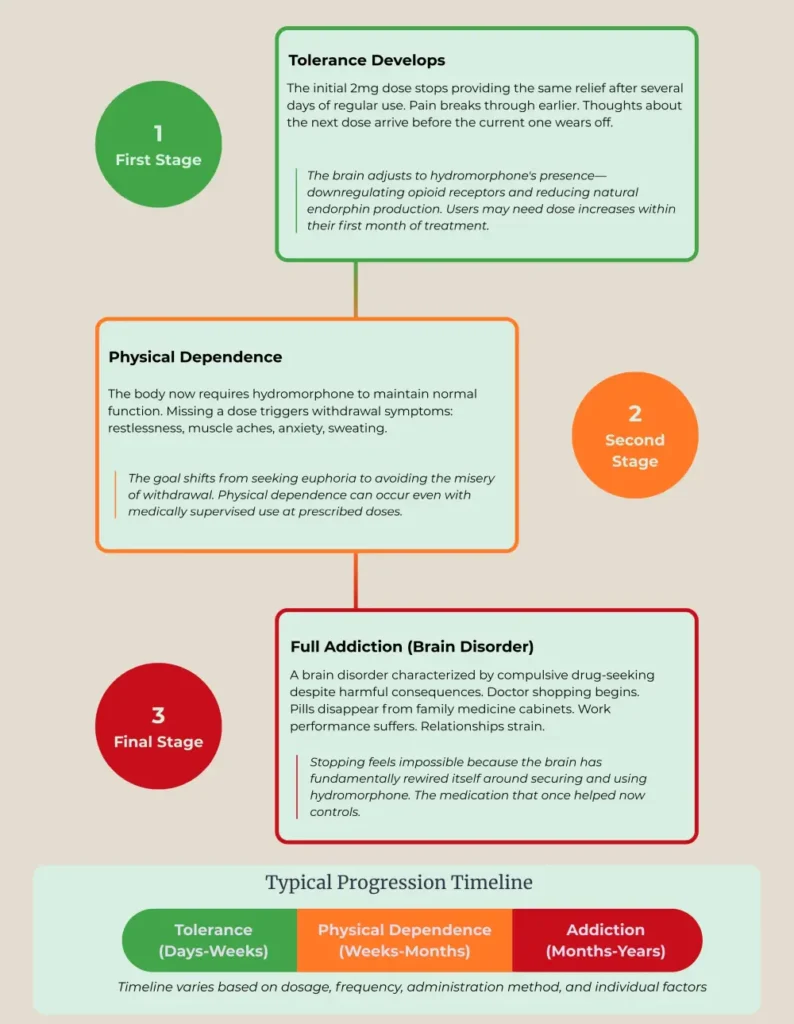
Tolerance appears first. The initial 2mg dose stops providing the same relief after several days of regular use. Pain breaks through earlier. Thoughts about the next dose arrive before the current one wears off. The brain adjusts to hydromorphone's presence – downregulating opioid receptors and reducing natural endorphin production. This neurological adaptation happens remarkably fast; users may need dose increases within their first month of treatment as their nervous system compensates for the drug's presence.
Physical dependence follows tolerance. The body now requires hydromorphone to maintain normal function. Missing a dose triggers withdrawal symptoms: restlessness, muscle aches, anxiety, and sweating. The goal shifts from seeking euphoria to avoiding the misery of withdrawal. This distinction matters because physical dependence can occur even with medically supervised use at prescribed doses.
Addiction represents the final stage. A brain disorder characterised by compulsive drug-seeking despite harmful consequences. You might start doctor shopping, visiting multiple physicians to obtain extra prescriptions. Pills disappear from family members' medicine cabinets. Work performance suffers. Relationships strain. But stopping feels impossible because the brain has fundamentally rewired itself to secure and use hydromorphone.
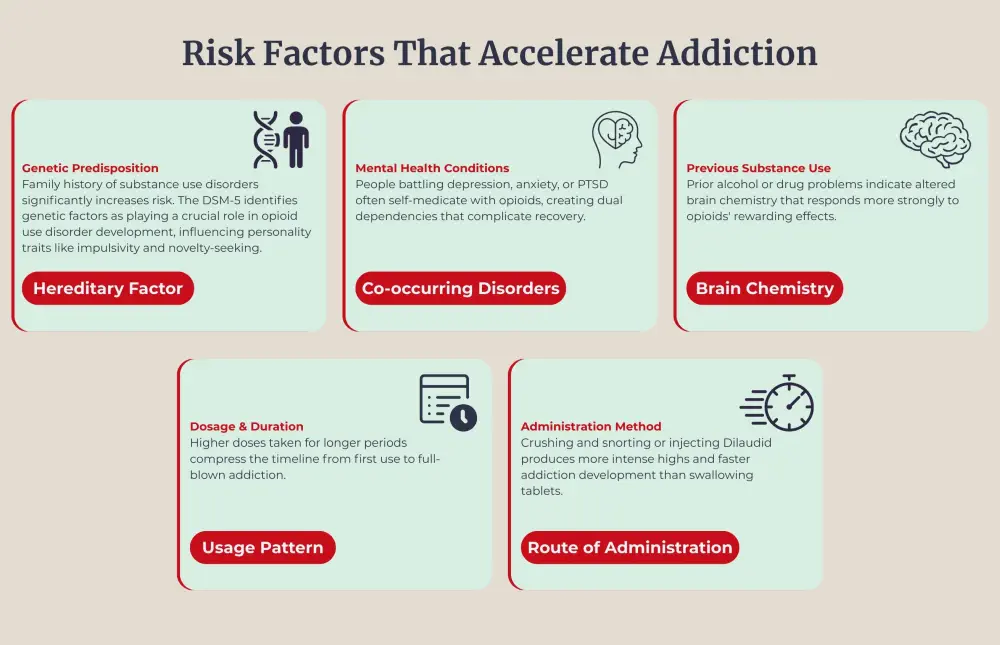
Legitimate pain management can morph into chemical dependence that the brain demands. The medication that once helped now controls.
What Are the Warning Signs of Dilaudid Addiction?
Early detection of prescription painkiller addiction dramatically improves recovery outcomes, but the signs hide behind seemingly reasonable explanations in many cases. Someone dealing with chronic pain has valid reasons for preoccupation with medication, making addiction's behavioural markers harder to spot.
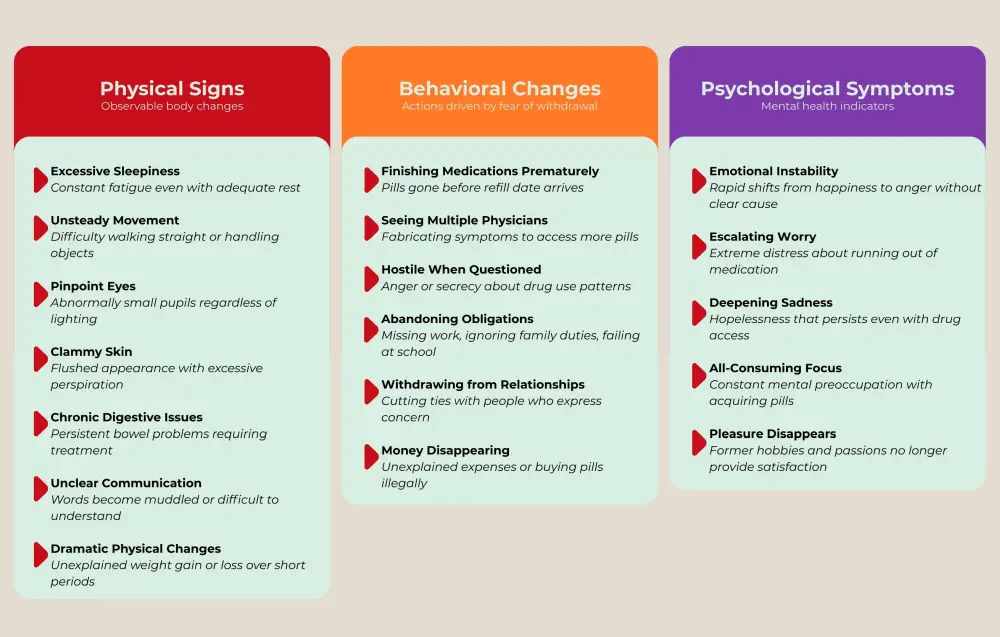
Physical warning signs manifest as the body adapts to hydromorphone's constant presence of hydromorphone. The drug depresses central nervous system activity, creating observable changes:
- Persistent drowsiness unrelated to actual pain levels (hydromorphone sedates beyond pain relief)
- Coordination problems affecting balance and fine motor skills (impaired neurotransmitter function)
- Constricted pupils ("pinpoint pupils") even in dim lighting (direct opioid effect on iris muscles)
- Flushed skin and unusual sweating patterns (disrupted temperature regulation)
- Severe constipation requiring medical intervention (opioids slow digestive tract motility)
- Slurred speech and confusion during conversations (cognitive impairment from chronic use)
- Noticeable weight changes from altered appetite (hormonal disruptions affecting metabolism)
Behavioural changes signal the transition from medical use to problematic dependence. Fear of withdrawal becomes the driving force behind these actions:
- Running through prescriptions early, then desperately seeking refills (anticipating future pain and withdrawal)
- Visiting multiple doctors with complaints designed to secure additional prescriptions (doctor shopping emerges when single providers refuse refills)
- Defensive reactions when family questions medication use (protecting access to the drug overrides relationships)
- Neglecting responsibilities at work, home, or school (cognitive impairment plus preoccupation with obtaining drugs)
- Isolating from friends and family who might notice concerning patterns (avoiding confrontation and judgment)
- Financial problems from purchasing pills through illicit channels when prescriptions run out (addiction economics: spending increases as legal access decreases)
Psychological symptoms reveal addiction's grip on mental health:
- Severe mood swings cycling between euphoria and irritability
- Heightened anxiety when medication runs low
- Depression that worsens despite continued drug use
- Obsessive thoughts about obtaining and using hydromorphone
- Loss of interest in activities that once brought genuine enjoyment
Canadian data on prescription opioid misuse shows approximately 102,000 people aged 12 or older misused hydromorphone products in 2022. Behind each statistic sits someone who initially believed they were simply managing pain appropriately.
Beyond behavioural warning signs, the drug itself produces physical reactions that range from manageable to life-threatening.
What Hydromorphone Side Effects Should Concern You?
Every medication carries risks. Hydromorphone's power in managing severe pain comes with potentially life-threatening side effects that demand immediate medical attention.
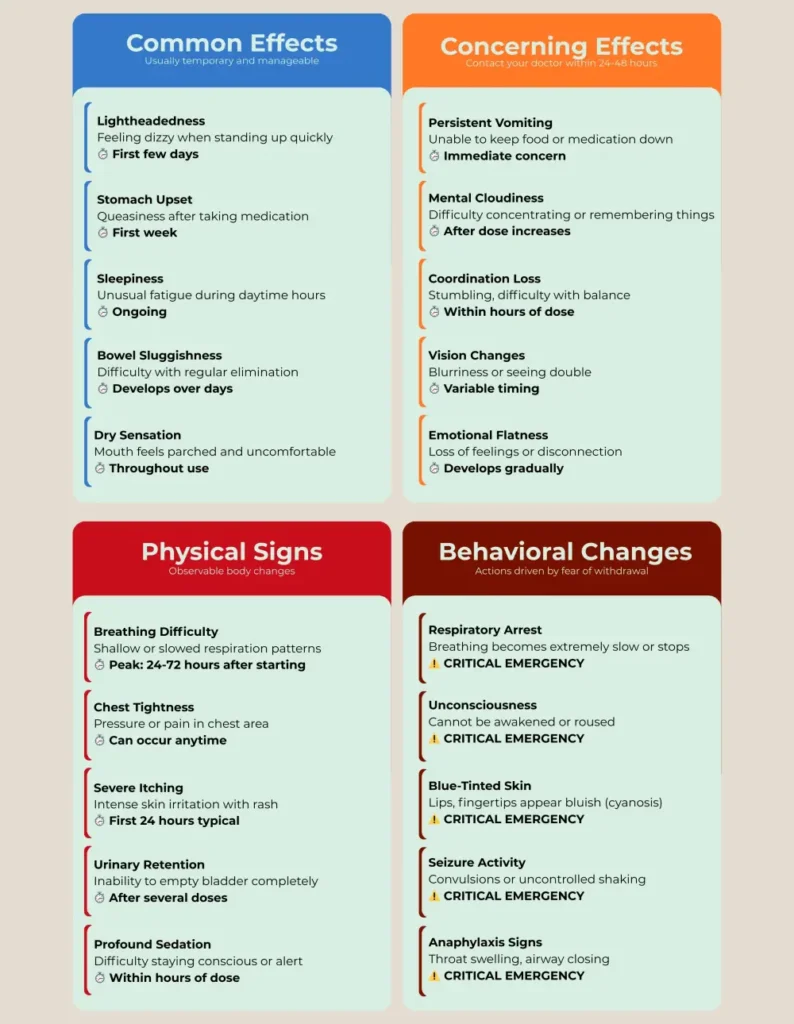
Serious side effects require emergency medical care:
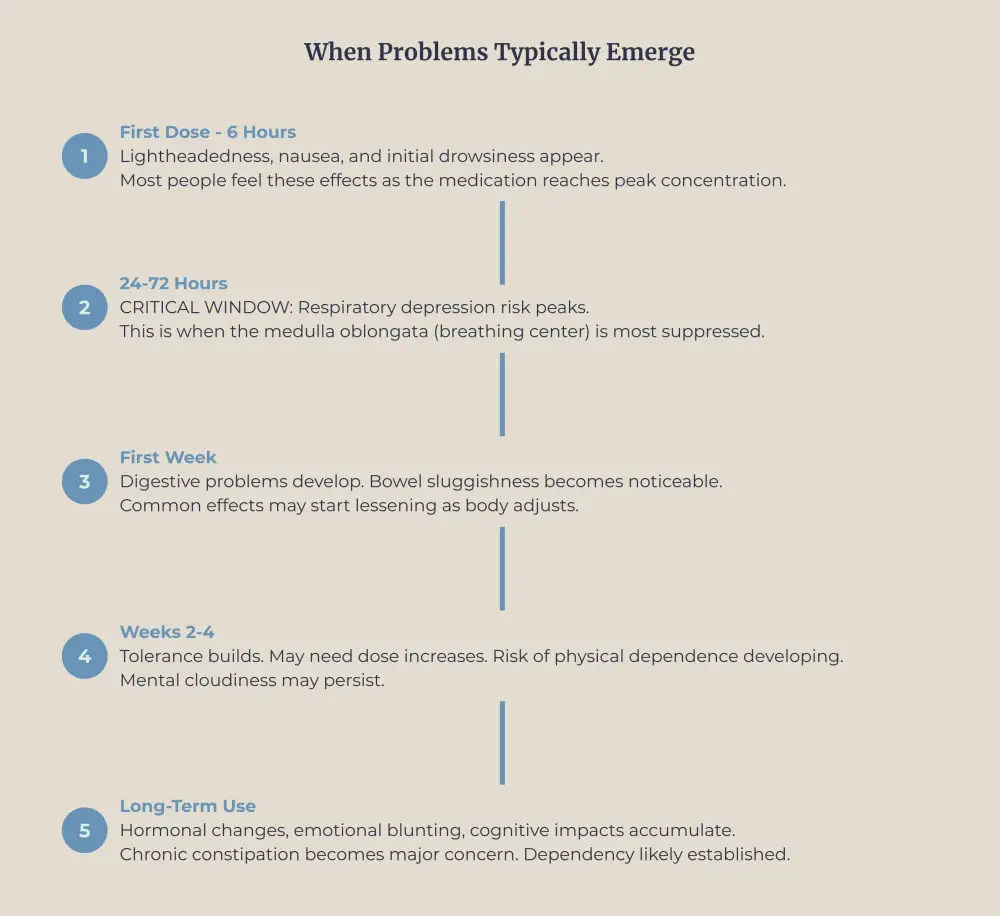
Respiratory depression represents hydromorphone's deadliest risk. The medication slows breathing by depressing the medulla oblongata – the brain region controlling automatic respiration. Normally, rising carbon dioxide levels trigger breathing reflexes. Hydromorphone blunts this response, meaning the body "forgets" to breathe adequately. This danger peaks during the first 24-72 hours after starting treatment or increasing doses, when the body hasn't yet adapted to the drug's presence. Warning signs include breathing fewer than 8 times per minute, long pauses between breaths, blue-tinged lips or fingernails, and extreme drowsiness where you can't be roused.
Severe allergic reactions occur rarely but can be fatal. Symptoms include facial swelling, throat tightness, difficulty breathing, severe rash, or hives spreading across your body.
Serotonin syndrome develops when hydromorphone combines with antidepressants, migraine medications, or other drugs affecting serotonin. Watch for agitation, hallucinations, rapid heartbeat, severe muscle stiffness, high fever, and coordination problems.
Combining Dilaudid with alcohol, benzodiazepines, or other central nervous system depressants multiplies overdose risk exponentially. Both substances slow breathing independently. Together, they can stop respiration entirely.
The body's reaction to hydromorphone doesn't end with these ongoing effects. Stopping the medication after dependence develops triggers its own severe physical response.
What Do Hydromorphone Withdrawal Symptoms Feel Like?
Hydromorphone withdrawal symptoms mirror severe influenza (characterised by body aches, sweating, and nausea), except that you know exactly what would make them stop. That knowledge creates psychological torture layered atop physical misery. Dilaudid's high potency makes this particularly cruel: the brain has adapted to exceptionally strong opioid stimulation, so the "crash" when the drug disappears feels correspondingly severe. Patients describe withdrawal as feeling like their nervous system is "screaming" for relief.
Early withdrawal (6-12 hours after last dose):
- Restlessness and anxiety that make sitting still impossible
- Muscle aches penetrate deep into bones
- Profuse sweating despite normal room temperature
- Eyes watering and nose running uncontrollably
- Yawning frequently despite exhaustion
Peak withdrawal (24-48 hours):
- Nausea and vomiting lasting hours
- Severe abdominal cramping and diarrhoea
- Dilated pupils are hypersensitive to light
- Rapid heartbeat and elevated blood pressure
- Chills alternating with hot flashes
- Tremors affecting hands and legs
- Goosebumps ("cold turkey" comes from this symptom)
- Intense cravings dominate every thought
Late withdrawal (3-7 days):
- Depression is settling in as physical symptoms ease
- Severe insomnia despite exhaustion
- Continued muscle aches and weakness
- Persistent stomach upset
- Difficulty concentrating on basic tasks
Post-acute withdrawal symptoms can persist for weeks or months after stopping hydromorphone. These include persistent depression, anxiety, sleep disturbances, and sudden cravings triggered by environmental cues or stress.
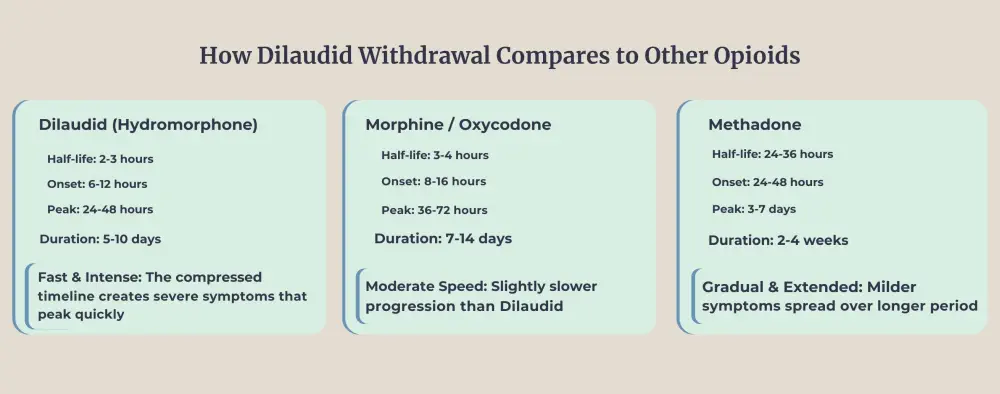
The hydromorphone withdrawal timeline varies based on several factors, but moves faster than many other opioids due to hydromorphone's short half-life (2-3 hours for immediate-release forms):
- Dosage taken: Higher doses produce more severe symptoms lasting longer
- Duration of use: Months or years of use extend withdrawal beyond the typical week
- Administration method: Injecting or snorting creates more intense withdrawal than oral use (higher peak levels mean steeper crashes)
- Individual metabolism: Age, liver function, and genetics affect how quickly the body clears the drug
Hydromorphone's rapid elimination means withdrawal can start within 6-12 hours of the last dose, much faster than longer-acting opioids like methadone. This compressed timeline catches many people unprepared, triggering relapse before they've arranged medical support.
The Dehydration Danger
While withdrawal itself rarely proves fatal (unlike alcohol or benzodiazepine withdrawal, which can trigger deadly seizures), hydromorphone withdrawal carries a specific danger that catches people off guard: dangerously rapid dehydration.
The combination of severe vomiting, relentless diarrhoea, and profuse sweating can deplete your body's fluids within 24-48 hours—faster than most people realise. You're not just uncomfortable; you're potentially approaching a medical emergency. Electrolyte imbalances from this fluid loss can trigger cardiac arrhythmias in vulnerable individuals. Dehydration severe enough to cause kidney problems, can develop before you recognise the danger.
This explains why medical professionals emphasise supervision during the peak 24-72 hour window. Healthcare teams monitor hydration status, provide IV fluids when oral intake proves impossible, and watch for the cardiac complications that dehydration can trigger. What seems like just "really bad flu symptoms" can actually threaten your cardiovascular system in ways you wouldn't detect until serious damage has occurred.
How Can You Get Help for Opioid Dependence?
Recovery from Dilaudid addiction requires treatment addressing both physical dependence and the psychological factors driving continued use. Attempting to quit alone dramatically increases relapse risk and potentially exposes you to dangerous complications.
Medical detox provides the safest foundation for recovery. Healthcare professionals monitor your vital signs around the clock, administer medications to ease withdrawal symptoms, and intervene immediately if complications arise. Medication-assisted treatment using buprenorphine or methadone allows gradual tapering that prevents severe withdrawal while supporting long-term abstinence.
Beyond detox, effective treatment includes:
Individual therapy helps you understand what drove your prescription use into addiction territory. Many people discover they were self-medicating unaddressed trauma, depression, or anxiety. Cognitive-behavioural therapy teaches skills for managing cravings and avoiding relapse triggers.
Group therapy connects you with others facing the same battles with prescription opioids. Hearing someone describe exactly what you're experiencing reduces the isolation that makes recovery feel impossible.
Pain management alternatives become particularly challenging with Dilaudid patients. Because hydromorphone is prescribed when other painkillers have already failed, finding non-addictive pain control requires creative medical approaches. Physical therapy, nerve blocks, anti-inflammatory medications, antidepressants for nerve pain, and interventional procedures may need combination strategies. Some patients face the difficult reality that their pain cannot be completely eliminated without opioids, requiring careful risk-benefit discussions about long-term management versus addiction recovery priorities.
Family involvement rebuilds relationships damaged by addiction while educating loved ones about realistic recovery timelines and how they can support your healing.
The Canadian Centre for Addictions offers specialised programmes addressing prescription opioid dependence within a supportive, judgement-free environment.
Developing dependence on prescribed medication doesn't indicate weakness or moral failure. It signals a medical condition requiring professional treatment. Our team combines medical supervision with evidence-based therapies and holistic approaches to support lasting recovery.
Contact the Canadian Centre for Addictions at 1-855-499-9446 to learn about treatment options that can help you reclaim your life from dependence.
FAQ
How addictive is Dilaudid compared to other painkillers?
Dilaudid ranks among the most addictive prescription opioids because it's roughly 8 times stronger than morphine and acts within 15-30 minutes, creating rapid psychological conditioning between taking the pill and feeling relief. Tolerance can emerge within 2-3 weeks of regular use.
Can you become addicted to Dilaudid even when taking it as prescribed?
Yes, physical dependence can emerge even with medically supervised use at prescribed doses. However, this differs from addiction, which involves compulsive drug-seeking behaviours despite harmful consequences to health, relationships, or responsibilities.
How long do hydromorphone withdrawal symptoms last?
Acute withdrawal symptoms peak within 24-48 hours and gradually improve over 5-7 days. Post-acute symptoms (including depression, anxiety, and sleep disturbances) can persist for several weeks or months after stopping the medication, though their intensity decreases over time.
What's the difference between Dilaudid and morphine?
Both are opioid painkillers, but hydromorphone (Dilaudid) is approximately 8 times more potent than morphine, meaning much smaller doses achieve equivalent pain relief. Dilaudid's rapid onset(effects begin within 15-30 minutes) makes it particularly effective for breakthrough pain episodes but also creates stronger psychological associations between taking the drug and feeling relief, reinforcing addictive patterns.
Is it dangerous to stop taking Dilaudid suddenly?
Yes, stopping abruptly triggers severe withdrawal symptoms, including muscle pain, nausea, anxiety, and potentially dangerous dehydration from the nervous system's rebound into hyperactivity. Medical supervision provides medications to ease symptoms and monitor for complications, particularly cardiovascular stress in older adults.
What treatment options exist for Dilaudid addiction in Canada?
Canadian treatment options include medically supervised detox, medication-assisted treatment (using buprenorphine or methadone), individual and group therapy, and residential rehabilitation programmes. The Canadian Centre for Addictions offers comprehensive treatment combining medical support with evidence-based therapies at facilities in Ontario.
Article sources
- Benyamin, R., et al. (2008). "Opioid complications and side effects." Pain Physician, 11(2 Suppl), S105-S120. Available at: https://www.researchgate.net/profile/Opioid-Complications-and-Side-Effects.pdf
- Mignot, E., et al. (2022). "Safety and efficacy of daridorexant in patients with chronic insomnia disorder: results from two multicentre, randomised, double-blind, placebo-controlled, phase 3 trials." The Lancet Neurology, 21(2), 125-139. Available at: https://pubmed.ncbi.nlm.nih.gov/36484969/
- Canadian Centre on Substance Use and Addiction. (2023). "Canadian Substance Use Costs and Harms 2015-2017." CCSA Reports. Available at: https://www.ccsa.ca/canadian-substance-use-costs-and-harms-report-2015-2017
- Health Canada. (2023). "Opioid- and Stimulant-related Harms in Canada." Government of Canada Publications. Available at: https://health-infobase.canada.ca/substance-related-harms/opioids-stimulants/
- Webster, L.R., et al. (2017). "Opioid-Induced Respiratory Depression: A Review of Epidemiology, Mechanisms, and Emerging Technologies." Journal of Opioid Management, 13(4), 229-239. Available at: https://pubmed.ncbi.nlm.nih.gov/28829520/
- American Psychiatric Association. (2013). Diagnostic and Statistical Manual of Mental Disorders (5th ed.). Arlington, VA: American Psychiatric Publishing. Available at: https://doi.org/10.1176/appi.books.9780890425596
- Kleber, H.D. (2007). "Pharmacologic treatments for opioid dependence: detoxification and maintenance options." Dialogues in Clinical Neuroscience, 9(4), 455-470. Available at: https://pmc.ncbi.nlm.nih.gov/articles/PMC3202507/