
We offer medical detox and multiple addiction treatment options in our
luxury treatment centres in Port Hope, Cobourg, and Ottawa.
What Does Meth Do to Your Face?

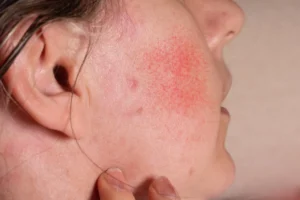
What is meth face? It is the informal but clinically recognised term for the cluster of physical changes methamphetamine produces on the face, involving simultaneous damage to the skin, teeth, jaw, and facial structure with every dose. In Canada, methamphetamine is now detected in a growing proportion of drug poisoning deaths, with stimulant-related harms rising substantially over the past decade according to the Public Health Agency of Canada1. The damage to the face is not cosmetic; it is a physical record of what prolonged methamphetamine exposure does to the body.
Key Takeaways
- Meth face is the cluster of physical changes caused by methamphetamine use, including premature aging, skin sores, sunken cheeks, and severe dental destruction.
- Vasoconstriction narrows blood vessels and starves the skin of oxygen and nutrients, producing a pale, greyish complexion and slowing wound healing dramatically.
- Formication, the hallucination that insects are crawling under the skin, drives compulsive picking that creates open wounds, bacterial infections, and permanent scarring.
- Meth mouth results from a combination of xerostomia (dry mouth), bruxism (jaw clenching and grinding), sugar cravings, and neglected oral hygiene, leaving teeth blackened, cracked, or missing.
- Meth jaw refers to the structural damage caused by involuntary clenching during methamphetamine use, affecting the jaw muscles, tooth enamel, and temporomandibular joint.
- Skin condition and weight can begin improving after sustained abstinence, but dental loss and deep scarring require professional medical care to address.
What Is Meth Face, and What Causes the Facial Changes?
The physical changes that define meth face are not the result of a single cause. They reflect several simultaneous biological events, each compounding the others, that begin with the first regular doses and worsen steadily with continued use.
Methamphetamine acts as a powerful vasoconstrictor, narrowing the blood vessels that supply oxygen and nutrients to the skin. It suppresses appetite severely, leading to rapid weight loss and the disappearance of the subcutaneous fat that gives the face its natural fullness and structure. The drug also elevates cortisol, a stress hormone that breaks down collagen, the protein responsible for skin firmness and structural support. Sleep deprivation during binge cycles adds to the destruction; the skin carries out most of its repair work during deep sleep, and methamphetamine users can go days without resting.
The combined result is what is commonly called a drug addict face. The appearance is marked by hollow cheeks, sunken eyes, deeply lined skin, and a complexion ranging from greyish to yellow. A person in their twenties can carry the facial appearance of someone two or three decades older.
How methamphetamine rewires the brain reflects the same biological intensity behind these physical changes. The drug floods the dopamine system so powerfully that physical self-maintenance stops registering as a priority.
What Does Methamphetamine Do to the Skin?

The skin changes associated with meth face follow two distinct pathways, and both operate simultaneously. The first is systemic impairment. Vasoconstriction reduces blood flow to the skin continuously, meaning cuts, spots, and small abrasions that a healthy body would clear within days can remain open and infected for weeks. Malnutrition removes the building blocks the skin needs to regenerate. Chronic dehydration pulls moisture from skin cells, leaving a dry, flaking surface that lacks resilience.
The second pathway is behavioural. Methamphetamine produces a neurological phenomenon called formication, the vivid sensation that insects are crawling under or on the skin. It affects a large proportion of chronic users. The response is compulsive scratching and picking, which creates open wounds on the face, neck, and arms. Vasoconstriction then prevents those wounds from closing normally. Bacteria enter and infections set in. Without treatment, the result is permanent pitting and scarring across the face.
The meth sores that characterise meth face are not superficial marks. They are deep, slow-healing wounds that carry real infection risk and leave lasting damage on the skin's surface. Collagen breakdown from sustained cortisol elevation means the skin loses its ability to recover even after picking stops, accelerating the aged, leathery appearance that makes drug addict face so visually distinct.
What Is Meth Mouth, and What Does Meth Smile Look Like?
Meth mouth is one of the most clinically documented consequences of methamphetamine use. It refers to the specific and severe pattern of dental decay that the drug produces through four reinforcing pathways.
| Cause | What Happens | Dental Consequence |
| Xerostomia | Meth reduces saliva production sharply | Bacteria multiply unchecked; acid dissolves enamel |
| Bruxism | Involuntary clenching and grinding during use | Enamel wears down; teeth crack and fracture |
| Sugar cravings | Stimulant use drives intake of sweet, acidic drinks | Bacteria feed on sugar, producing more acid |
| Hygiene neglect | Paranoia, sleeplessness, and addiction preoccupation | Plaque accumulates; decay goes untreated for months |
Research documents that meth-related caries predominantly affect the front teeth, producing a blackened, stained, crumbling, or disintegrating appearance. The decay advances rapidly because all four pathways operate at the same time. A user who might otherwise have reasonable dental health can lose multiple teeth within months of sustained use.
The visible result is what users and clinicians call the meth smile. When a person with advanced meth mouth opens their mouth, the characteristic blackened, broken, or absent front teeth are immediately apparent. The meth smile is among the most recognisable external signs of long-term methamphetamine use and one of the most difficult aspects of meth face to restore, because lost teeth cannot regenerate without prosthetic intervention.
What Is Meth Jaw, and How Does It Reshape Facial Structure?
Meth jaw refers specifically to the structural changes driven by bruxism, the involuntary clenching and grinding of the teeth that methamphetamine's stimulant effects produce. The drug activates the central nervous system so intensely that the jaw muscles contract without conscious input. They can remain locked in tension for hours at a time during a binge.
The consequences accumulate at every level of the jaw. At the surface, enamel abrades away faster than the body can compensate. Below the surface, the roots come under constant compressive force, loosening teeth in their sockets. The temporomandibular joint, which connects the jaw to the skull, absorbs impact that it was not built to sustain continuously, leading to pain, clicking, and limited range of movement. In long-term users, the masseter muscles (the main jaw muscles) can hypertrophy from overuse, creating a visibly enlarged jaw profile, or waste away from the protein malnutrition that accompanies sustained methamphetamine use, contributing further to the hollowed appearance of meth face.
The structural damage from meth jaw interacts directly with meth mouth. Teeth already weakened by acid attack and xerostomia are far more vulnerable to fracture under the sustained force of bruxism, which is why cracked and broken teeth appear so early and so consistently in users.
Can the Facial Damage from Meth Be Reversed?

Some aspects of meth face respond to abstinence and time. Others do not.
Skin condition begins to improve once vasoconstriction resolves, bringing blood flow back to a level that supports wound healing and skin repair. The compulsive picking that drives scarring also stops when the formication hallucinations cease. Weight restoration recovers some of the facial fullness lost during active use, and fine lines caused by dehydration partially reverse as hydration normalises.
What does not recover on its own is the damage at the structural level. Teeth lost to meth mouth cannot grow back. Deep scars from picking remain without dermatological treatment. Temporomandibular joint damage may require dental or surgical intervention. The longer the use continues, the more of the damage moves from reversible to permanent.
This is the clinical argument for early treatment. Every month of continued use adds damage that will require professional intervention to address, or that cannot be addressed at all. Inpatient rehabilitation provides the medically supervised withdrawal and residential structure that gives people the best chance of stopping before the permanent damage accumulates further.
Ready to Take the First Step?
Addiction doesn't get better on its own. Call us today at 1-855-499-9446 for a free, confidential consultation and find out which program is right for your needs.
Meth face is visible evidence of what methamphetamine does to the body over time, but the damage does not stop at the skin or the teeth. The same drug that hollows the face is dismantling the cardiovascular system, the brain, and every system that depends on sleep and adequate nutrition. Getting out earlier means less to recover from, and that calculation is worth making before the damage becomes irreversible.
Sources
- Public Health Agency of Canada. "Opioid- and Stimulant-related Harms in Canada." Government of Canada, 2025. https://health-infobase.canada.ca/substance-related-harms/opioids-stimulants/
- Kalladka M, et al. "Case Report: Unusual oral cavity changes associated with methamphetamine abuse." Frontiers in Public Health. 2025. https://pmc.ncbi.nlm.nih.gov/articles/PMC12000065/
FAQ
Does meth face happen to everyone who uses methamphetamine?
The speed and severity vary depending on frequency of use, route of administration, and individual biology, but the underlying biological causes are consistent. Vasoconstriction, malnutrition, and bruxism are direct pharmacological effects of the drug, meaning anyone using regularly is exposed to the same biological damage. Heavy or long-term users show the most pronounced changes, though visible deterioration can appear within months of sustained use.
How quickly does meth mouth appear?
Dental decay from methamphetamine can become visible within months of regular use. Xerostomia removes the saliva that normally protects teeth from acid, and the combination with bruxism and sugary drink consumption creates conditions where decay advances far faster than it would in a non-user. Some clinical reports document complete destruction of multiple teeth within a year.
Can teeth damaged by meth mouth be saved?
Some can, depending on the stage of decay when treatment begins. Fillings, crowns, and root canal procedures can preserve damaged teeth that still have viable structure. Teeth that have fractured, are deeply infected, or have lost too much structure require extraction. Dental implants or dentures are available options for replacing lost teeth, but they require sustained abstinence and proper oral hygiene to succeed.
Is meth jaw the same as meth mouth?
No, though the two are closely linked. Meth mouth refers to the dental decay caused by dry mouth, bacteria, and poor hygiene. Meth jaw refers specifically to the structural damage from bruxism, including worn enamel, fractured teeth, temporomandibular joint injury, and jaw muscle changes. Both are driven in part by the same involuntary clenching, but meth jaw describes the mechanical and structural consequences and not the decay itself.
How long does it take for skin to recover after stopping meth?
Minor changes in skin tone and texture can begin improving within weeks of stopping, as blood flow normalises and hydration returns. Healing of active sores can take weeks to months depending on depth and infection status. Scarring from repeated picking is permanent without dermatological treatment. The skin's collagen content also takes time to rebuild, and some degree of premature aging may remain even with sustained recovery.