

We offer medical detox and multiple addiction treatment options in our
luxury treatment centres in Port Hope, Cobourg, and Ottawa.
What Is Dry July? Benefits and Tips for Your Health

Dry July asks people to give up alcohol for a full month and raise money for cancer support at the same time. It started in Australia in 2008 and has since spread to other countries, pulling in hundreds of thousands of participants. This guide covers where the campaign came from, what 31 days off drinking does to your body and mind, how the idea works for a Canadian audience, and how to reach the finish line.
Insights from the Article:
- Dry July is a fundraising challenge that asks people to go alcohol-free for the 31 days of July, raising money for cancer support. It began in Australia in 2008 and has drawn more than 347,000 participants.
- A single month off alcohol improves sleep, energy, blood pressure, insulin response, and weight, and clinical testing has confirmed those changes in moderate to heavy drinkers.
- There is no official Dry July sign-up in Canada, because the campaign runs in Australia and New Zealand. Canadians can do a self-directed month or join the Canadian Cancer Society's Go Dry for January or February.
- The gains tend to hold. People who finish a dry month are still drinking less six months later, averaging roughly one extra alcohol-free day every week.
- When a month off triggers withdrawal symptoms or feels impossible, that can point to alcohol dependence, which needs medical care a 31-day challenge cannot provide.
What Is Dry July, and How Did It Start?
Dry July is a fundraising challenge that asks participants to stay alcohol-free for the 31 days of July, collecting sponsorship donations that go to cancer support services.
Three friends in Australia kicked it off in 2008 after deciding to take a month away from drinking and turn it into something useful. A private pact between mates grew into the Dry July Foundation, a registered not-for-profit that runs the campaign every year. The model crossed to New Zealand in 2012, and by 2024, the campaign had raised more than $90 million, with over 347,000 people taking part since the first attempt. [1] What began as a small dare now sits alongside Dry January and Sober October as one of the recognized sober challenges people build a year around.
The money funds practical help that cancer patients and their families lean on during treatment — lifts to appointments, time with specialist nurses, accommodation close to the hospital. Friends, family, and coworkers sponsor each participant, and the donations flow to the cancer service that the participant nominates, which keeps a personal test tied to a public result.
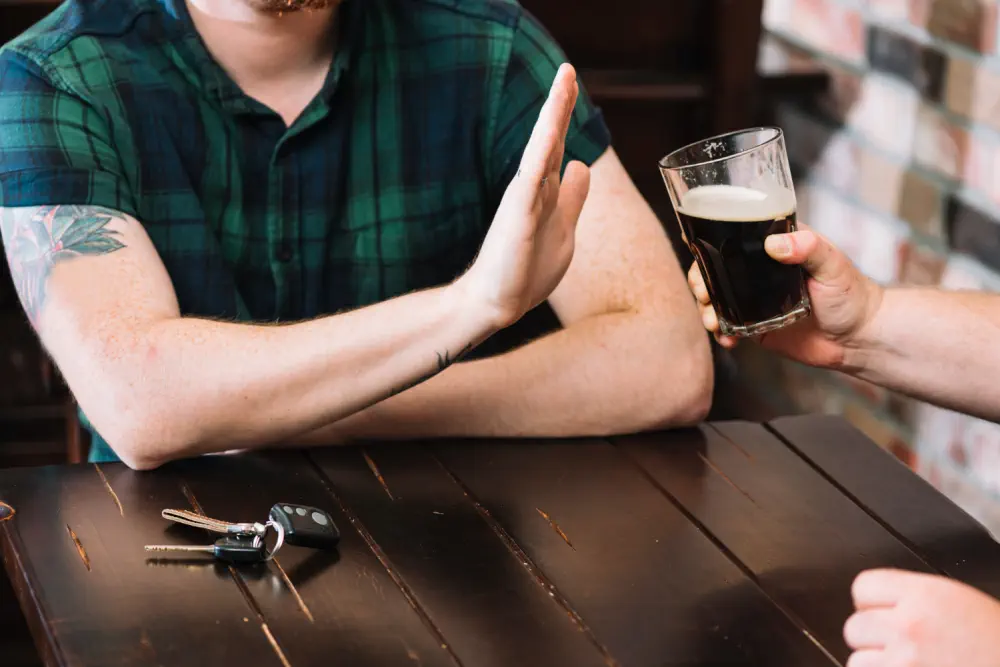
How Is Dry July Different from Dry January?
All of these challenges ask the same of you, a full month without a drink, and most of them raise money for cancer support. What separates them is timing, the charity behind each one, and the part of the world where they run.
| Challenge | Run by | Where it runs | Month | Money goes to |
| Dry July | Dry July Foundation | Australia, New Zealand | July | Cancer support services |
| Dry January | Alcohol Change UK | United Kingdom | January | The charity's awareness and support work |
| Go Dry / Dry Feb | Canadian Cancer Society | Canada (outside Quebec) | January and/or February | Canadian cancer research and support |
Dry January predates none of these as the original; Dry July came first, in 2008, with Dry January following in 2013. [6] For anyone in Canada, the season is the real divider. January abstinence happens during the coldest, darkest stretch of the year, when staying home feels natural. A sober summer is a tougher test, because July brings patios, barbecues, weddings, and long evenings that usually come paired with a drink. Clearing that bar says far more about your relationship with alcohol than skipping the pub in midwinter ever could. Roughly four in ten adults in Canada drink more than the amount the national guidance flags as higher risk, so a structured month gives a large slice of the population a concrete reason to step back. [4]
Whatever the month, the body responds the same way. An alcohol free month gives your system a measurable break from a substance it works hard to clear. The behavioural side cuts the same way in any season, too. Stripping out a daily ritual for a set stretch forces you to notice how reflexive the habit had become, and that noticing is half the value.
Can You Do Dry July in Canada?

Not through an official Canadian sign-up. The Dry July campaign runs in Australia and New Zealand, so there is no July registration page built for Canada. You can still take the month off on your own terms, and Canada has a homegrown version if the fundraising part appeals to you.
That version is Go Dry, the Canadian Cancer Society's alcohol-free fundraiser, run for January, February, or both, and operated by the same company behind Dry July. Signing up is free, there is no minimum to raise, and the donations support cancer research and a national help line. The one catch is that Go Dry is not offered in Quebec. [7] So a Canadian drawn to the Dry July idea has two clean options: run a private dry July with no paperwork, or channel the same impulse into Go Dry when the calendar comes back around to winter.
The cause lands close to home either way. The Canadian Cancer Society reports that alcohol raises the risk of at least nine types of cancer, including breast, colorectal, and liver, a step beyond the seven that Canada's national health guidance names. A 2023 survey for the society found that 42 percent of Canadians who drink do so at levels that increase their risk, and more than four in ten had no idea alcohol was linked to cancer at all. [8]
❗ Before you tally the money or the health break, it helps to know what one drink really is in Canadian terms. A standard drink holds 17.05 millilitres of pure alcohol, and each of these counts as exactly one.
| One Canadian standard drink | Serving |
| Beer or cider, 5% alcohol | 341 mL (12 oz) |
| Wine, 12% alcohol | 142 mL (5 oz) |
| Spirits, 40% alcohol | 43 mL (1.5 oz) |
The number of people who miss is the portion size. A 750 mL bottle of 12 percent wine holds about 5.3 standard drinks, and a generous restaurant pour can run to two, so a single dry month can pull far more alcohol out of circulation than a casual bottle count suggests. [9]
What Are the Benefits of Not Drinking Alcohol for a Month?
A month without alcohol produces changes you can feel within days and changes you can measure in a lab.
Sleep is where most people clock the difference first. Alcohol knocks you out fast, then delays the onset of REM sleep and trims the total amount you get on moderate to heavy nights, which is why a "full" eight hours after drinking can still leave you flat the next day. [5] Pull the alcohol out, and that fragmentation eases. In the University of Sussex study tracking people through a dry month, 71 percent reported better sleep and 67 percent had more energy. [2]
The deeper wins show up in testing, not in how you feel. When researchers at the Royal Free Hospital in London followed moderate to heavy drinkers through one alcohol-free month, the group's insulin resistance, blood pressure, and weight all dropped, alongside lower levels of cancer-related growth factors in the blood. A matched group that kept drinking saw none of those gains. [3]
People's readings map onto the conditions Canada's national guidance now connects to alcohol, including seven types of cancer, heart disease, and liver disease. Alcohol has held the World Health Organization's top-tier carcinogen rating since 1988, in the same class as tobacco and asbestos, a detail most drinkers have never been told. Canada's guidance sorts the danger on a sliding scale, counting one to two drinks a week as low risk, three to six as moderate, and anything past six as high risk. The same document is blunt that no amount of alcohol is risk-free, so even a temporary break moves you in the right direction. [4]
Beyond the lab numbers, people describe feeling back in charge of their drinking. Seven in ten rated their overall health as better by the end of the month in the Sussex data, which lines up with the energy and sleep gains they reported. [2]
The lighter benefits of not drinking alcohol land too. More than half of the Sussex participants lost weight and noticed clearer skin, and nine in ten saved money over the month. The campaign also rewires habits in a way that outlasts the calendar, which is the part most people never see coming.
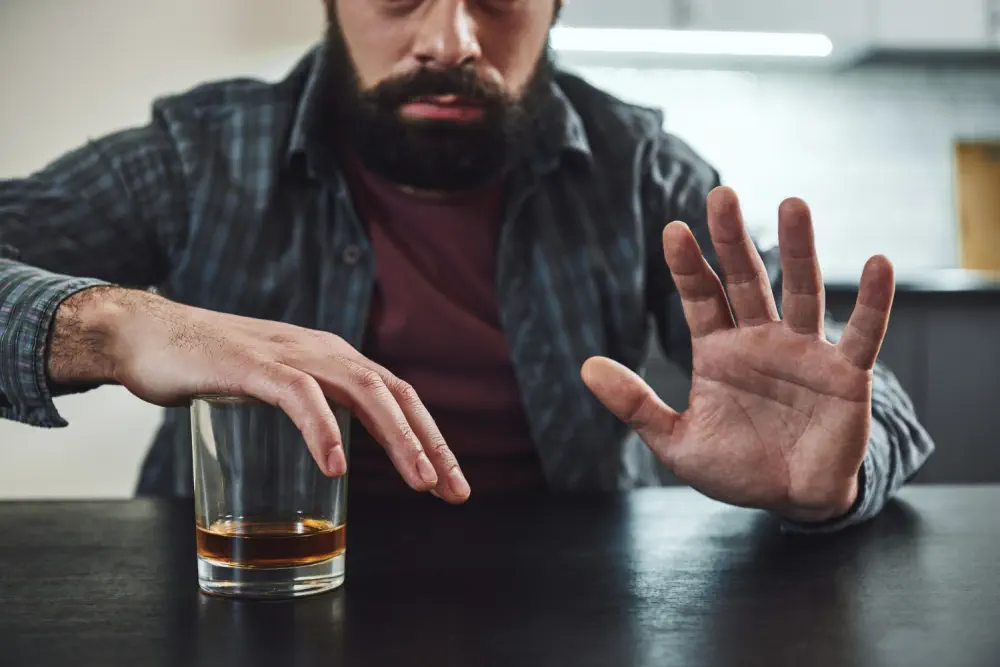
What Happens Week by Week Without Alcohol?
The changes do not arrive all at once, and the pattern is fairly consistent across the research and the people who have done it.
- The first week is usually the hardest. Cravings show up around the times you used to drink, and sleep can be patchy at first as your body adjusts, since it leaned on alcohol's sedative kick to drop off. [5]
- Through the second and third weeks, the sleep and energy gains tend to land. Mornings get clearer, the patchiness settles, and the urge to drink starts to feel less automatic. [2]
- By the time July ends, the changes a blood test can pick up have had time to register, the lower blood pressure, the better insulin response, the dropped weight measured in the clinical work. [3]
- Once August arrives, the effect keeps running for most people who finished, with drinking settling at a lower level than before the month began.
That last point is the one researchers find most telling, so it is worth its own look.
Do the Benefits Last After July Ends?
Yes. The effects reach well past the 31 days for most people who finish.
The Sussex team checked back in with participants in August and found them still drinking less. Drinking days fell from 4.3 to 3.3 a week on average, the count of drinks on each of those days slipped from 8.6 to 7.1 units, and people reported getting drunk at less than half their earlier rate. [2] In plain terms, one dry month bought them roughly an extra alcohol-free day every week, half a year later.
That staying power is what feeds the sober curious lifestyle, where people keep questioning their default to drink long after the campaign wraps, without committing to lifelong abstinence. A single month can serve as the trial run that makes a lasting change feel possible.
How Do You Get Through Dry July?
Most people who reach the end plan for it. Willpower alone tends to crack around the first wedding invitation, so a bit of setup goes a long way. The cravings that do surface usually pass within a few minutes if you let them, especially once the first week is behind you.
- Register officially. People who sign up for a structured dry month get more out of it than those who keep it quiet, helped along by public commitment and steady reminder emails.
- Keep the fridge stocked. Canada's guidance suggests matching every drink you would have had with a non-alcoholic one, so sparkling water, alcohol-free beer, and a couple of good mocktail recipes earn their place before the cravings hit. [4]
- A change of scene beats discipline. Trading the pub for sober activities takes the weight off the moments you used to fill with a glass, from morning hikes to evening classes.
- Bring people in. A partner, a friend, or a whole team taking the month on with you turns a solo grind into shared accountability.
- Give yourself one exemption. Both Dry July and Canada's Go Dry sell "golden tickets" for a single night off, so a milestone birthday does not have to sink the entire effort.
None of this is heroic. It is mostly about removing the moments where saying no takes more energy than you have spare.
What If Cutting Back Feels Impossible?

For most people, a dry month is a healthy challenge. For some, it exposes a dependence that needs medical care, and the difference matters.
The campaign's own organizers tell heavy drinkers and anyone who suspects they are dependent to speak with a doctor before starting, because stopping suddenly after prolonged heavy drinking carries real risk on its own. If the first few days bring shaking, sweating, nausea, racing anxiety, or sleep that falls apart well beyond ordinary cravings, treat that as a sign to seek medical input before pushing on.
Other signals are quieter. Counting down to August 1, hiding how much the month is costing you emotionally, or finding you cannot picture a social life without a drink in your hand, all point past habit and toward something that answers better to treatment than to grit.
Medically supervised alcohol addiction treatment exists for exactly that gap, offering care a 31-day challenge was never designed to provide. Supervised programs handle the withdrawal that makes quitting genuinely dangerous for dependent drinkers, then work on the reasons the drinking took hold in the first place.
A failed dry month is not a failure of character. For some people, it is the clearest sign yet that the problem outgrew the willpower fix a while ago.
FAQ
When is Dry July?
Dry July runs for the whole month of July, from the 1st through to the 31st. Participants stay off alcohol for all 31 days and can sign up on their own or as part of a team.
Does Dry July happen in Canada?
There is no official Dry July sign-up in Canada, because the campaign runs in Australia and New Zealand. Canadians can do a self-directed dry month any time, and the Canadian Cancer Society runs its own alcohol-free fundraiser, Go Dry, for January and February.
Is Dry July only for people with a drinking problem?
No. It is aimed at everyday social drinkers who want a reset and a way to support cancer services. People who are dependent on alcohol are advised to talk to a doctor before taking part.
Can you still do Dry July if you barely drink?
Yes. Light drinkers and non-drinkers can join by giving up another habit they want to break or by simply fundraising. The donation counts as much as the abstinence.
How many standard drinks are in a bottle of wine?
A 750 mL bottle of wine at 12 percent alcohol holds roughly 5.3 Canadian standard drinks. For reference, one standard drink is 341 mL of beer, 142 mL of wine, or 43 mL of spirits.
What is the difference between Dry July and a sober summer?
Dry July is the official 31-day fundraising campaign tied to July. A sober summer is the broader idea of staying alcohol-free through the warm months, which some people stretch well past a single campaign.
Is it safe to stop drinking suddenly for Dry July?
For light and moderate drinkers, yes. People who drink heavily every day should check with a doctor first, because abrupt withdrawal after sustained heavy drinking can cause serious medical problems and sometimes needs supervision.
Sources
- Cancer Council WA. "Dry July." Cancer Council Western Australia. https://cancerwa.asn.au/get-involved/fundraise/dry-july/
- University of Sussex. "How 'Dry January' is the secret to better sleep, saving money and losing weight." University of Sussex. https://www.sussex.ac.uk/broadcast/read/47131
- Mehta G, et al. "Short-term abstinence from alcohol and changes in cardiovascular risk factors, liver function tests and cancer-related growth factors: a prospective observational study." BMJ Open. https://pubmed.ncbi.nlm.nih.gov/29730627/
- World Health Organization. "No level of alcohol consumption is safe for our health." World Health Organization. https://www.who.int/europe/news/item/04-01-2023-no-level-of-alcohol-consumption-is-safe-for-our-health
- Ebrahim IO, et al. "Alcohol and sleep I: effects on normal sleep." Alcoholism: Clinical and Experimental Research. https://pubmed.ncbi.nlm.nih.gov/23347102/
- de Visser R. "Better sleep, more energy and feeling in control: the reported benefits of Dry January." The Conversation. https://theconversation.com/better-sleep-more-energy-and-feeling-in-control-the-reported-benefits-of-dry-january-246627
- Canadian Cancer Society. "Go Dry." Canadian Cancer Society. https://cancer.ca/en/get-involved/our-events/go-dry
- Canadian Cancer Society. "8th annual Dry Feb raises funds to support Canadians affected by cancer." Canadian Cancer Society. https://cancer.ca/en/about-us/media-releases/2023/canadian-cancer-society-eighth-annual-dry-feb
- Health Canada. "Low-risk alcohol drinking guidelines." Government of Canada. https://www.canada.ca/en/health-canada/services/substance-use/alcohol/low-risk-alcohol-drinking-guidelines.html