
We offer medical detox and multiple addiction treatment options in our
luxury treatment centres in Port Hope, Cobourg, and Ottawa.
How to Build a Fulfilling Sober Life

A sober life is one you build, not the simple absence of a drink in your hand. Some people arrive here through recovery from addiction, others simply decide alcohol no longer earns its place, and the work of making the days feel full looks similar for both.
All questions — what changes, what the early weeks truly feel like, and the concrete moves that turn going without into a life worth staying present for — are answered in this piece.
Key Takeaways
- A sober life is built, not just quit. It means rebuilding the routines, friendships, and fun that alcohol crowded out.
- The payoff runs wide. Steadier mood, sharper sleep, more money, and more honest relationships, all deepening over months.
- Early weeks are the hardest, and feeling flat or restless then is normal, not failure.
- Long-term sobriety rests on support, structure, and a plan for triggers. Relapse risk falls the longer you stay with it.
- Socializing, dating, and travel all work without alcohol, and sober options are far wider than a decade ago.
- Once drinking crosses into dependence, willpower rarely holds, and supervised treatment gives the best odds.
What Does It Mean to Live a Sober Life?
Living a sober life means staying free from alcohol and other intoxicants and, past that, constructing a daily existence that does not lean on them for fun, comfort, or escape.
The people doing this fall along a spectrum. At one end sit those in recovery from a substance use disorder, for whom sobriety is a medical necessity and a hard-won achievement. At the other are the sober curious, who have no diagnosis but have decided that drinking costs more than it returns.
| In recovery | Sober curious | |
| What drives it | A diagnosed substance use disorder | A wellness or lifestyle choice |
| Is it medical | Yes, and stopping can require supervision | No |
| Can the choice be revisited | Rarely without high risk | Freely, at any time |
| Main daily task | Protecting recovery | Rethinking a default |
The move toward that second group is measurable in Canada. The share of Canadians aged 12 and older who had no alcohol at all in the past year climbed from 23 percent in 2015 to 29 percent in 2024, with the trend toward drinking less concentrated among young adults. [1] Both groups share the same daily questions. What do I do on a Friday night now? Who do I spend time with? How do I handle the wedding, the work dinner, the long flight?
That second part, the building, is what separates a sober lifestyle that lasts from white-knuckled abstinence. Stopping is an event. Staying stopped, and being glad you did, is a practice.
What Are the Real Benefits of Sobriety?
Mental and physical health, relationships, your money savings — cutting out alcohol pays off across four areas at once, and the gains tend to build on each other.

Physical health
Sleep usually improves first, since alcohol fragments the second half of the night even when it speeds the drift into sleep. Blood pressure, liver function, and weight tend to move in the right direction within weeks. Because alcohol is a confirmed carcinogen tied to at least seven cancers, every dry stretch lowers a risk that climbs with every drink. [2]
Mental health
The link runs both ways. Alcohol is a depressant that worsens anxiety and low mood over time, even though people frequently reach for it to take the edge off both. Mornings without a hangover, and evenings without the dip that follows a few drinks, change the baseline a person operates from, which is part of why improved mental health is one of the most common reasons people give for cutting back.
Money
The savings are immediate and easy to underestimate. A nightly bottle of wine or a weekend bar tab adds up to thousands of dollars a year, money that reappears the moment the spending stops.
Relationships
This is the benefit people name most once the dust settles. Conversations get sharper, conflicts shrink, and the trust that heavy drinking erodes starts to rebuild. The honesty that sobriety forces tends to deepen the connections worth keeping and quietly end the ones built only on shared drinking.
None of these arrives on a fixed schedule. The first month delivers the sleep and the savings; the relational and mental gains take longer and run deeper.
Why Does Sobriety Feel Harder at the Start?
Plenty of people quit, feel worse for a few weeks, and conclude they have made a mistake. They have not. The early dip is predictable, and knowing its shape makes it survivable.
For anyone who drank heavily, the body needs time to recalibrate after years of a chemical doing part of its work. Sleep can turn patchy before it improves. Moods swing. Cravings spike around the old cues, the chair, the hour, the stress that used to trigger a pour. This is the brain relearning how to regulate itself without help, and it eases.
There is also a quieter problem the brochures skip. Sobriety can feel flat at first. The activities that once came wrapped in a buzz feel muted, and the dopamine hits the brain expected are gone. That blankness is temporary, a sign of a reward system resetting, not a verdict on the life ahead. People who push through the first few months almost always report that colour returns, and that the pleasures they rebuild without alcohol prove more durable than the ones they left behind.
A word of caution sits underneath all of this. For someone physically dependent on alcohol, quitting cold can be dangerous on its own, bringing tremors, seizures, or worse. Heavy daily drinkers should speak to a doctor before stopping, because the safest first step is sometimes a medically supervised one.
How Do You Stay Sober for the Long Term?

Long-term sobriety is less about a single burst of willpower and more about stacking the deck so that staying sober becomes the path of least resistance. Asked how to stay sober for good, most people who have done it point to the same three habits, not to grit, and time does the rest.
Build support
The people around you shape the outcome more than any private resolve. That can mean a peer group like a 12-step fellowship or a science-based alternative, a therapist, a sponsor, or simply friends who take your choice seriously. Isolation is where sobriety quietly dies, so filling the calendar with sober activities and the people who join you in them does double duty, replacing the old social rhythm and supplying accountability at the same time.
Add structure
A day with shape leaves fewer empty hours for cravings to fill. Morning routines, regular exercise, set mealtimes, and work that engages you all crowd out the idle stretches where the old habit used to slot in.
Plan for triggers
Knowing which people, places, and feelings pull at you lets you prepare a response before the moment arrives, which beats relying on avoidance alone. Leaving early, carrying a non-alcoholic drink, or having a call ready to make all work better as decisions made ahead of time than in the heat of a craving.
As the relapse rate for substance use disorders is 40 to 60 percent, on par with chronic conditions like hypertension and asthma, time itself is on your side. This means a return to drinking is just a common setback [3]
The first stretch is the steepest, and it gets easier from there. Research on alcohol recovery finds that stable recovery, the point where the risk of relapse in the year ahead drops to roughly that of the general population, tends to arrive after about five years of continuous remission. [4]
How Do You Build a Social Life Without Alcohol?
The fear that sobriety means a smaller, duller social world is the one that stops the most people, and it rarely survives contact with reality.
Start by changing the venue, not the company. Coffee, hikes, climbing gyms, cooking classes, and concerts all carry their own energy without a bar at the centre. The wider culture has caught up here, with mocktail menus, alcohol-free bottle shops, and sober social events now common in Canadian cities in a way they were not ten years ago. The same shift makes sober dating far more workable than it once was, since meeting over an activity instead of a round of drinks tends to produce clearer judgment and faster honesty about whether two people click.
Pressure will still come, usually from people more uncomfortable with your choice than you are. A short, flat answer handles most of it. "I'm not drinking these days" needs no defence, and the friends worth keeping will let it go. For anyone exploring this without a recovery background, the sober curious lifestyle offers a lower-stakes on-ramp, a way to test how life feels with less alcohol before deciding anything permanent.
The social circle may shrink at first. What replaces it is usually a smaller set of connections that run deeper, built on something sturdier than the next round.
Can You Still Travel and Enjoy Life Sober?
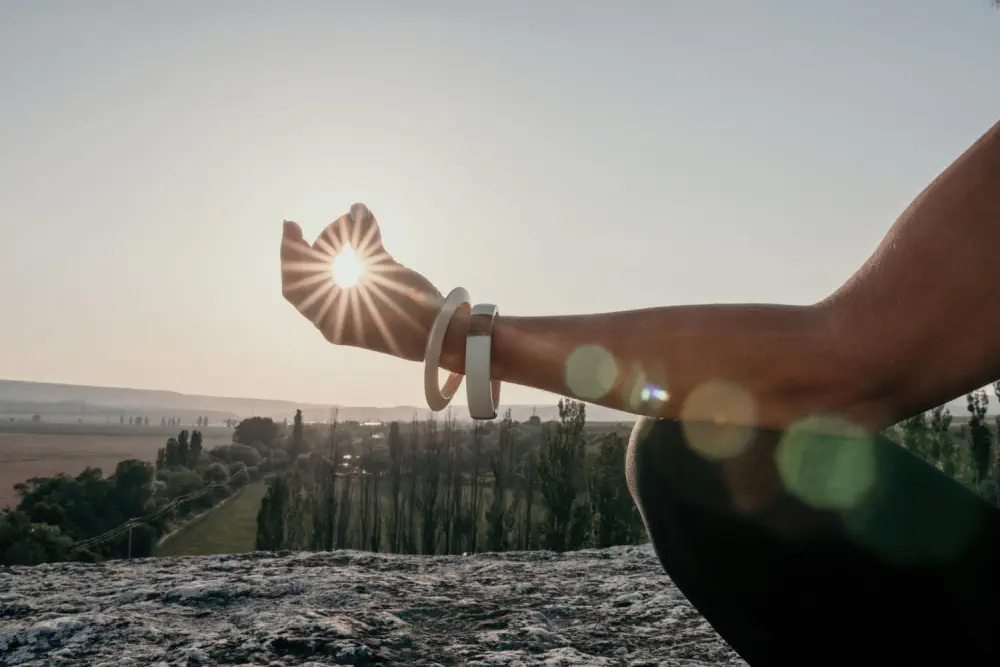
Travel is where many newly sober people expect to struggle, picturing resort bars and duty-free and toasts they cannot join. The reality is more forgiving, and frequently better.
A trip without alcohol means no days lost to hangovers, no foggy mornings eating into the part you paid to see, and a clearer memory of the place when you get home. The planning shifts toward what you want from the destination, the food, the landscape, the history, not where the night will end up. Plenty of sober vacations are built precisely around this, from wellness retreats to adventure trips, though no special booking is required to travel dry. The same tools that work at home travel with you, a plan for the tempting moments and a reason to stay sharp that outweighs the pull of a poolside drink.
The deeper point reaches past any single trip. A life that holds up through travel, dating, and ordinary socializing is the proof that sobriety has stopped being a restriction and become simply how you live.
When Is Sobriety More Than Willpower Can Fix?
For the sober curious, stopping is a choice that can be revisited. For someone with a dependence on alcohol, it is rarely that simple, and treating the two the same way sets people up to fail.
A few signs mark the line:
- Repeated attempts to cut down that collapse within days
- Physical withdrawal when the drinking stops, the shaking, sweating, and racing anxiety described earlier
- Drinking that continues even as it visibly damages health, work, or family
- A sense that alcohol now sets the schedule and everything else fits around it
When several of these are present, the problem has moved past habit and into a medical condition that responds to treatment, not to trying harder.
This is the gap that professional care fills. The Canadian Centre for Addictions provides medically supervised treatment that handles the dangerous early withdrawal first, then works on the reasons the drinking took hold, the part willpower was never built to reach. Reaching for that help is not the end of self-reliance. For many people it is the first move that finally makes a sober life stick.
FAQ
What is a sober life?
A sober life is one lived free from alcohol and other intoxicating substances, with daily habits, friendships, and sources of enjoyment that do not depend on them. It applies both to people in recovery from addiction and to those who simply choose not to drink.
How long does it take to feel good after quitting alcohol?
Sleep and energy tend to improve within the first few weeks, though mood can dip before it lifts. The deeper mental and emotional benefits usually take a few months as the brain's reward system rebalances.
Is it normal to feel worse before feeling better in early sobriety?
Yes. Early sobriety can bring restlessness, poor sleep, and a flat mood as the body adjusts, especially after heavy drinking. This stage is temporary and tends to ease within weeks to a few months.
Can you have a social life and date without drinking?
Absolutely. Activity-based plans, mocktail menus, and the growing sober-curious culture make socializing and dating without alcohol increasingly straightforward. Many people find these connections clearer and more genuine than alcohol-fuelled ones.
Does relapse mean I have failed at sobriety?
No. The relapse rate for substance use disorders is 40 to 60 percent, similar to other chronic conditions, so a setback is common, not a verdict. The risk falls steadily with time, approaching that of the general population after about five years of continuous recovery.
Article sources
- Statistics Canada. "Changes in alcohol consumption from 2015 to 2024." Statistics Canada. https://www150.statcan.gc.ca/n1/pub/75-006-x/2026002/article/00001-eng.htm
- World Health Organization. "No level of alcohol consumption is safe for our health." World Health Organization. https://www.who.int/europe/news/item/04-01-2023-no-level-of-alcohol-consumption-is-safe-for-our-health
- National Institute on Drug Abuse. "Treatment and Recovery." National Institute on Drug Abuse. https://nida.nih.gov/publications/drugs-brains-behavior-science-addiction/treatment-recovery
- Kelly JF, et al. "Long-term relapse: markers, mechanisms, and implications for disease management in alcohol use disorder." National Library of Medicine. https://www.ncbi.nlm.nih.gov/pmc/articles/PMC12819679/