Your information
is 100% confidential
1-855-499-9446
Request a Free Consultation
Your information is 100% confidential
1-855-499-9446 Request a Free Consultation

Heroin Addiction Treatment and Rehab in Toronto, Ontario

The Canadian Centre for Addictions offers compassionate treatment and rehab programs for heroin addiction. You don’t have to face this struggle alone, we’re here to support you every step of the way. Embrace a life of sobriety and renewal!

Heroin Addiction Treatment and Rehab in Toronto, Ontario

Heroin is a powerful opioid derived from the opium poppy plant. It appears as white or brown powder (sometimes as black tar) and users smoke, snort, or inject it directly into veins. The drug reaches the brain rapidly, triggering intense euphoria that fades within minutes, followed by hours of sedation. This quick high-to-low cycle makes heroin exceptionally habit-forming; many users develop dependency after just a few uses.

Heroin abuse has escalated alongside Canada’s prescription opioid crisis. When doctors restrict painkiller access, dependent individuals often turn to heroin for similar effects. Since 2016, over 12,800 apparent opioid-related deaths have occurred across the country.

Breaking free from heroin addiction without medical supervision proves dangerous—withdrawal symptoms can be severe enough to drive immediate relapse. Professional treatment combines medication-assisted detox with behavioural therapy, giving individuals their best chance at lasting recovery.

Advantages of Our Rehab

At the Canadian Centre for Addictions, we take pride in our rehab accreditation, which ensures that our services meet the highest standards of care, providing you with effective and safe treatment.

  • Accreditation

    Accreditation Canada

    Through our work alongside Accreditations Canada, we have earned the seal of approval from one of the largest and most respected organizations in health and patient care. They proudly endorse Canadian Centre for Addictions and we proudly carry their certification as a promise of quality care to our clients.

    Click for Review
  • Accreditation

    Better Business Bureau

    BBB’s mission is to be the leader in advancing marketplace trust.

    As a premier and professional rehabilitation facility, we are recognized as a top business in our field by the Better Business Bureau. Our dedication to operating as a legitimate and honest addiction treatment center helps us stand out to our community and those we wish to help.

    Click for Review
  • Accreditation

    National Association of Addiction Treatment Providers

    As a member of this respected Canadian organization, we are part of a community of leaders in addiction specialists who put clients first. This helps us stay on top of trends and be a part of a movement of passionate professionals who truly want to make patient care a priority.

    Click for Review

Our Addiction Treatment Programs

Factors That Affect Heroin Addiction

Several factors shape how heroin addiction treatment unfolds for each individual. Understanding these elements helps medical teams design protocols that address specific risks and maximize recovery outcomes.


Factors That Affect Heroin Addiction
Method of Administration

How someone uses heroin directly impacts treatment planning. Injection users face additional medical concerns—collapsed veins, bacterial infections, hepatitis, and HIV transmission require screening and concurrent care. Those who smoke or snort heroin may have fewer infectious complications but still need thorough health assessments before detox begins.

Duration and Frequency of Use

Someone using heroin daily for years requires a different intervention than a person with six months of sporadic use. Long-term users typically experience more severe withdrawal symptoms and need extended medication-assisted treatment. Their brains have undergone substantial changes in opioid receptor sensitivity, demanding gradual stabilization approaches.

Previous Opioid History

Many heroin users started with prescription painkillers before switching to street opioids. This progression matters for treatment—individuals already tolerant to opioids may need higher initial doses of medications like methadone or buprenorphine. Their familiarity with opioid effects also influences psychological aspects of recovery.

Co-Occurring Mental Health Conditions

Depression, anxiety, PTSD, and other disorders frequently accompany heroin addiction. Untreated mental health issues often drive continued use as self-medication. Dual diagnosis programs that address both conditions simultaneously produce better long-term results than treating addiction alone.

Physical Health Complications

Years of heroin use can damage the liver, kidneys, and cardiovascular system. Malnutrition is common. These physical issues affect which medications are safe during detox and how quickly the body can heal. Medical teams must balance addiction treatment with managing existing health problems.

Support Network Strength

Patients with stable housing, employed family members, and sober friends tend to engage more effectively in treatment. Those lacking these resources often need longer residential stays and more intensive aftercare planning to prevent relapse once formal treatment ends.

Luxury Facilities at the Canadian Centre for Addiction

If you’re going through a tough time with heroin addiction, you don’t have to face it alone. Our Luxury Private Rehab Centres in Port Hope and Cobourg are quiet, comfortable places in Ontario where you can take a real break and start fresh.

In Port Hope, our private rehab centre feels more like a peaceful retreat. Some rooms have calming lake views, a fireplace, and multiple decks to relax on. It’s a space to breathe, slow down, and focus on getting better. And with fresh, 5-star meals made by our chef every day, you’ll be well taken care of, body and mind, during your heroin addiction treatment journey.

Over in Cobourg, the vibe is just as warm and welcoming. It’s a place where you’ll be supported by people who truly care about your recovery from heroin addiction and other substance dependencies. We’re here to listen, guide you, and help you feel more like yourself again.

Whether you’re looking for space to reflect or need professional support to move forward, our rehab treatment program centres in Port Hope and Cobourg offer the calm, care, and comfort you need to start your treatment and recovery process with confidence. These Ontario facilities provide the perfect environment for healing, combining luxury amenities with proven therapeutic approaches that address the unique challenges of heroin rehab recovery.


Withdrawal Symptoms
of Heroin Addiction

Heroin withdrawal begins within hours of the last dose and typically peaks between 24-72 hours. The intensity varies based on usage duration, daily amounts, and individual physiology. Without medical supervision, these symptoms often drive immediate relapse.


Withdrawal Symptoms of Heroin Addiction
Acute Physical Symptoms

The body reacts intensely when heroin leaves the system:

  • Severe muscle and bone aches
  • Abdominal cramping and diarrhea
  • Nausea and vomiting
  • Profuse sweating alternating with chills
  • Dilated pupils and light sensitivity
  • Rapid heart rate and elevated blood pressure
  • Uncontrollable leg movements (restless leg syndrome)
  • Goosebumps and skin-crawling sensations
  • Excessive yawning and a runny nose

These physical effects resemble severe flu but feel significantly more intense. Most acute symptoms subside within 7-10 days, though some individuals experience discomfort for up to two weeks.

Psychological and Long-Term Symptoms

Mental and emotional heroin withdrawal symptoms often outlast physical ones:

  • Intense cravings that feel overwhelming
  • Depression ranging from mild to severe
  • Anxiety and irritability
  • Insomnia or disturbed sleep patterns
  • Difficulty concentrating or making decisions
  • Anhedonia—inability to feel pleasure from normal activities
  • Dysphoria and general emotional flatness
  • Memory impairment

These psychological symptoms can persist for weeks or months after acute withdrawal ends,
a phase known as post-acute withdrawal syndrome (PAWS).

When Medical Supervision Becomes Critical

Individuals with long-term heroin use, co-occurring mental health conditions, or previous complicated withdrawals face higher risks during detox. Heroin overdose becomes a serious concern if someone relapses after their tolerance drops during withdrawal. Medical teams monitor vital signs, provide medications like buprenorphine or methadone to ease symptoms, and prevent dangerous complications throughout the process.

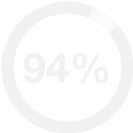
The Canadian Centre
for Addictions Success Rate

Did not show improvement after
The Canadian Centre for Addictions
Program

Presented in Normal ranges at start
of The Canadian Centre for Addictions
Program

Showed significant improvement after
The Canadian Centre for Addictions
Program

Frequently Asked Questions

How does methadone work for heroin addicts?

Methadone binds to the same opioid receptors as heroin but produces milder effects and lasts much longer—24-36 hours versus heroin’s few-hour duration. This prevents withdrawal symptoms and reduces cravings without causing the intense high. Patients take it daily under medical supervision, allowing them to stabilize and focus on behavioural aspects of heroin rehab.

How long do heroin withdrawal symptoms last?

Acute withdrawal typically peaks within 24-72 hours and subsides within 7-10 days. However, psychological symptoms like depression and cravings can persist for weeks or months—a condition called post-acute withdrawal syndrome. Medical supervision during this period reduces relapse risk and manages symptoms safely.

What medications are used during heroin rehab?

Medical teams commonly use methadone, buprenorphine (Suboxone), or naltrexone to manage withdrawal and reduce cravings. These medications stabilize brain chemistry without producing the intense high of heroin. Doctors tailor medication choices based on your health history, addiction severity, and treatment goals.

What factors determine which heroin addiction treatment approach works best?

Treatment planning depends on several elements: method of use (injection vs. smoking), duration of addiction, co-occurring mental health conditions, and physical health complications. Someone injecting heroin for years needs different protocols than a person with shorter-term use. Medical teams assess these factors to create individualized recovery plans.

Can I work while receiving heroin addiction treatment?

Outpatient programs allow you to maintain employment while attending scheduled therapy sessions. However, individuals with severe heroin addiction or those at high relapse risk benefit more from inpatient rehab treatment programs where they can focus entirely on recovery without daily life stressors.

Start Getting Better Now

Fill out the below form and get in touch with
a treatment specialist who can help