Your information
is 100% confidential
1-855-499-9446
Request a Free Consultation
Your information is 100% confidential
1-855-499-9446 Request a Free Consultation

Zopiclone Addiction Treatment in Ontario

Break free from Zopiclone dependence. We're here to guide you toward lasting recovery and renewed well-being.

Zopiclone Addiction Treatment in Ontario

Zopiclone (brand name Imovane) gets prescribed for short-term insomnia treatment, but dependency can develop faster than many realize. This psychotropic medication produces sedative effects similar to benzodiazepines, and tolerance builds with continued use. What starts as a legitimate solution for sleep problems can gradually shift into zopiclone addiction when the body becomes dependent on the drug to function normally.

Stopping abruptly triggers severe withdrawal symptoms that make quitting alone extremely difficult and potentially dangerous. Patients who’ve used zopiclone beyond the recommended 14-day limit face particularly challenging withdrawal periods that require careful medical management.

Zopiclone addiction treatment gets progressively more difficult without professional intervention. However, recovery remains achievable when individuals receive comprehensive care from addiction specialists who understand the unique challenges of psychotropic medication dependency and can provide safe, medically supervised withdrawal support.

Advantages of Our Rehab

At the Canadian Centre for Addictions, we take pride in our rehab accreditation, which ensures that our services meet the highest standards of care, providing you with effective and safe treatment.

  • Accreditation

    Accreditation Canada

    Through our work alongside Accreditations Canada, we have earned the seal of approval from one of the largest and most respected organizations in health and patient care. They proudly endorse Canadian Centre for Addictions and we proudly carry their certification as a promise of quality care to our clients.

    Click for Review
  • Accreditation

    Better Business Bureau

    BBB’s mission is to be the leader in advancing marketplace trust.

    As a premier and professional rehabilitation facility, we are recognized as a top business in our field by the Better Business Bureau. Our dedication to operating as a legitimate and honest addiction treatment center helps us stand out to our community and those we wish to help.

    Click for Review
  • Accreditation

    National Association of Addiction Treatment Providers

    As a member of this respected Canadian organization, we are part of a community of leaders in addiction specialists who put clients first. This helps us stay on top of trends and be a part of a movement of passionate professionals who truly want to make patient care a priority.

    Click for Review

Our Addiction Treatment Programs

Factors That Affect Zopiclone Addiction

Zopiclone addiction presents unique treatment challenges because this medication was designed for short-term use, but it often becomes a long-term dependency. The drug’s similarity to benzodiazepines means withdrawal can trigger severe symptoms, yet its specific mechanisms require specialized approaches that differ from standard sedative detox protocols. Treatment success depends on addressing how long someone’s been taking zopiclone, why they started using it beyond prescribed limits, and what underlying sleep or mental health issues drove continued use.


Factors That Affect Zopiclone Addiction
Duration and Dosage Patterns

The length of zopiclone use directly impacts treatment complexity. Patients prescribed the medication for months or years face more intense withdrawal symptoms than those who used it briefly. Dosage escalation—gradually taking more pills to achieve the same sleep effects—also shapes the detox timeline and medical supervision requirements.

Co-occurring Sleep Disorders

Underlying insomnia or other sleep conditions complicate recovery planning. Treatment teams must address both the medication dependency and the original sleep problem simultaneously. Many patients need alternative sleep management strategies before they can safely discontinue zopiclone without returning to severe insomnia.

Cross-Tolerance with Other Sedatives

Previous or current use of benzodiazepines, alcohol, or other sedative medications affects how the body responds during withdrawal. Cross-tolerance between these substances means patients often require adjusted tapering protocols and extended medical monitoring to prevent dangerous complications.

Age and Metabolism

Older adults metabolize zopiclone more slowly, leading to higher drug accumulation and increased dependency risk. These patients typically need gentler tapering schedules and closer supervision during zopiclone addiction treatment. Younger individuals may experience faster withdrawal onset but can often tolerate more aggressive treatment timelines.

Mental Health History

Anxiety disorders, depression, and trauma frequently drive prolonged zopiclone use beyond medical recommendations. Patients with these conditions benefit from dual diagnosis treatment addressing both psychological symptoms and medication dependency simultaneously. Without treating underlying mental health challenges, relapse risks increase substantially.

Previous Substance Use

A history of alcohol or drug dependencies influences treatment planning and relapse prevention strategies. Individuals with multiple substance issues often need longer, more intensive programs that address patterns of dependency rather than focusing solely on zopiclone withdrawal.

Luxury Facilities at the Canadian Centre for Addiction

If you’re going through a tough time with zopiclone addiction, you don’t have to face it alone. Our Luxury Private Rehab Centres in Port Hope and Cobourg are quiet, comfortable places in Ontario where you can take a real break and start fresh.

In Port Hope, our private rehab centre feels more like a peaceful retreat. Some rooms have calming lake views, a fireplace, and multiple decks to relax on. It’s a space to breathe, slow down, and focus on getting better. And with fresh, 5-star meals made by our chef every day, you’ll be well taken care of, body and mind, during your zopiclone addiction treatment journey.

Over in Cobourg, the vibe is just as warm and welcoming. It’s a place where you’ll be supported by people who truly care about your recovery from zopiclone dependency and other substance issues. We’re here to listen, guide you, and help you feel more like yourself again.

Whether you’re looking for space to reflect or need professional support to move forward, our rehab treatment program centres in Port Hope and Cobourg offer the calm, care, and comfort you need to start your treatment and recovery process with confidence. These Ontario facilities provide the perfect environment for healing, combining luxury amenities with proven therapeutic approaches that address the unique challenges of zopiclone rehab recovery.


Withdrawal Symptoms
of Zopiclone Addiction

Stopping zopiclone abuse triggers distinct physical and psychological withdrawal reactions that vary based on usage duration and dosage levels. These withdrawal symptoms emerge as the body adjusts to functioning without the medication, often appearing within hours of the last dose. Recognizing what to expect helps determine when medical supervision becomes necessary rather than optional for safe recovery.


Withdrawal Symptoms of Heroin Addiction
Physical Withdrawal Reactions

The body’s adjustment to functioning without zopiclone produces several uncomfortable physical responses:

  • Rebound insomnia that exceeds the original sleep problems
  • Tremors and muscle tension throughout the body
  • Sweating and temperature regulation difficulties
  • Nausea, vomiting, and digestive distress
  • Headaches ranging from mild to severe
  • Heart palpitations and blood pressure changes
  • Heightened sensitivity to light and sound
Psychological and Cognitive Effects

Mental health symptoms during withdrawal often prove more challenging than physical discomfort:

  • Severe anxiety and panic attacks
  • Confusion and difficulty concentrating
  • Memory problems and disorientation
  • Irritability and mood swings
  • Depression that can worsen rapidly
  • Vivid nightmares and disturbing dreams
  • Depersonalization or feeling detached from reality
Critical Warning Signs

Certain zopiclone abuse symptoms during withdrawal require immediate medical attention. Seizures can occur when stopping abruptly after prolonged use, particularly at higher doses. Hallucinations, seeing or hearing things that aren’t present, signal a dangerous withdrawal progression. Severe confusion combined with a rapid heart rate may indicate zopiclone overdose complications or withdrawal crisis.

Withdrawal typically peaks within 2-4 days after the last dose but can persist for weeks in those who used zopiclone long-term. The severity increases dramatically when combined with alcohol or other sedatives. Medical supervision during zopiclone addiction treatment prevents life-threatening complications while managing symptoms that make independent recovery nearly impossible.

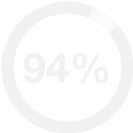
The Canadian Centre
for Addictions Success Rate

Did not show improvement after
The Canadian Centre for Addictions
Program

Presented in Normal ranges at start
of The Canadian Centre for Addictions
Program

Showed significant improvement after
The Canadian Centre for Addictions
Program

Frequently Asked Questions

Is zopiclone addictive?

Yes, zopiclone carries significant addiction potential despite being prescribed for short-term use. The medication produces tolerance quickly, leading many patients to escalate doses beyond medical recommendations, which transforms legitimate treatment into zopiclone abuse requiring professional intervention.

How to stop zopiclone addiction?

Stopping zopiclone addiction requires medically supervised tapering to prevent dangerous withdrawal complications like seizures and severe rebound insomnia. Professional zopiclone addiction treatment provides medication management, psychological support, and alternative sleep strategies that make safe discontinuation possible.

What does zopiclone addiction treatment involve?

A comprehensive rehab treatment program begins with medical assessment and gradual dose reduction under supervision, followed by individual therapy addressing underlying sleep disorders and dependency patterns. Treatment typically includes developing healthy sleep habits, managing anxiety without medication, and ongoing support to prevent relapse.

How long before zopiclone becomes addictive?

Dependency can develop within 2-4 weeks of daily use, though doctors prescribe zopiclone for a maximum of 14-day periods to minimize this risk. Tolerance builds quickly, leading many to increase dosages beyond prescribed amounts, which accelerates zopiclone abuse and physical dependence.

What are the signs of zopiclone dependency?

Warning signs include taking higher doses than prescribed, running out of medication early, experiencing anxiety when supplies run low, and continued use despite negative consequences. Physical dependence becomes apparent when attempting to skip doses triggers severe insomnia, anxiety, and uncomfortable withdrawal symptoms.

Start Getting Better Now

Fill out the below form and get in touch with
a treatment specialist who can help